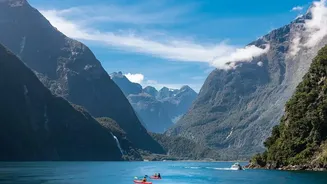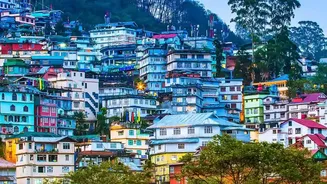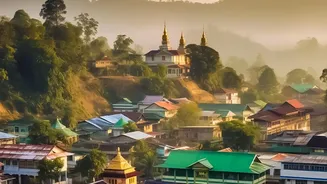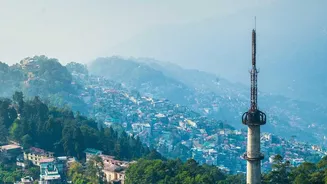




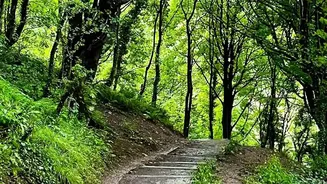


The iconic image of a crowded summit can feel like a victory, but it hides a quieter truth. The real magic—and the future of mountain preservation—lies in the places less traveled, where the absence of crowds is the ultimate conservation tool.
The Heavy Footprint of Fame
Famous mountain
destinations are victims of their own success. The sheer volume of visitors, a phenomenon often called overtourism, puts immense pressure on fragile alpine environments. High foot traffic on popular trails leads to significant soil erosion, widening paths and scarring the landscape. This not only damages vegetation but can lead to landslides. Furthermore, the infrastructure required to support mass tourism—sprawling parking lots, large hotels, and extensive road networks—destroys natural habitats before a single hiker hits the trail. Add the challenges of waste management and the disruption of wildlife, and the picture becomes clear: popularity comes at a steep ecological cost.
The Quiet Advantage of Being Unknown
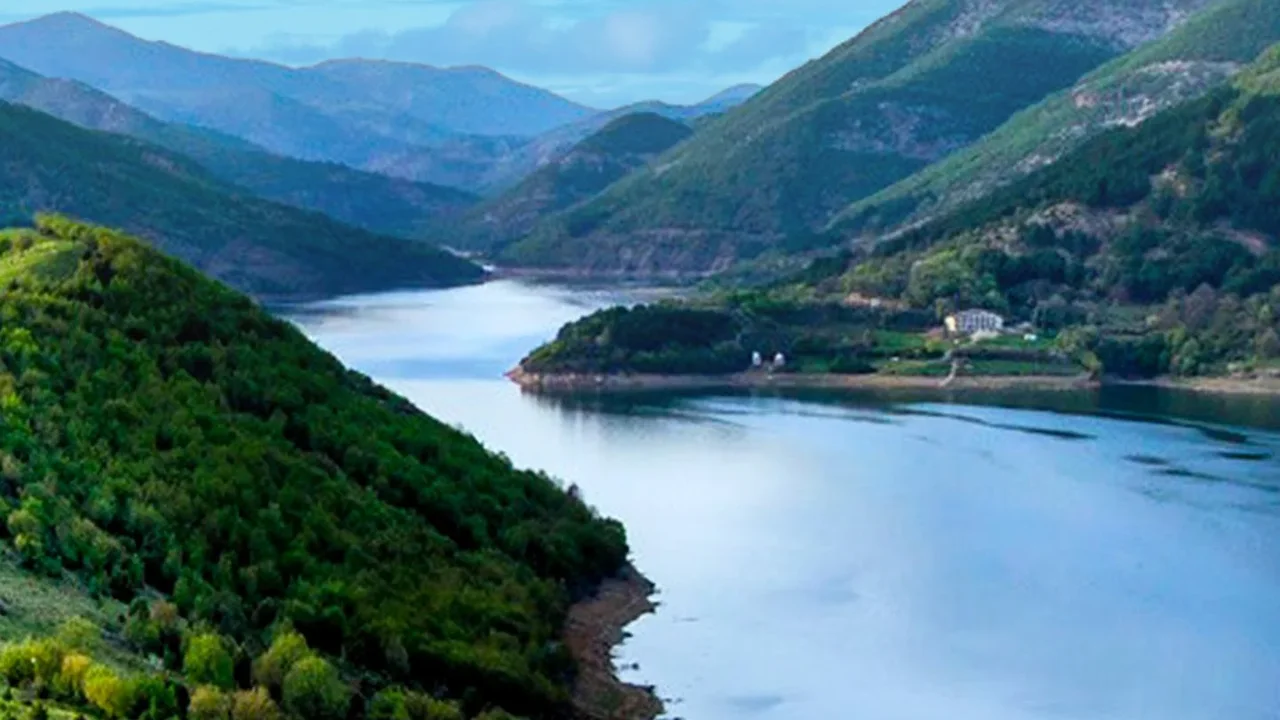
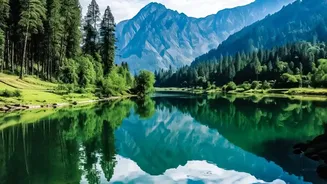
In contrast, low-footfall destinations thrive on what they lack: crowds. With fewer people, the direct environmental pressures are dramatically reduced. Trails remain narrow and less eroded, allowing native plants to flourish along their edges. Wildlife, less stressed by constant human presence and noise, can maintain natural behaviors and breeding patterns. Waste is more manageable, often because visitors who seek out these remote areas tend to follow 'Leave No Trace' principles, packing out everything they bring in. This lighter touch is not an accident; it is the inherent benefit of a place that has not been developed for mass consumption. The preservation is active, driven by the simple fact of being left alone.
Hard Infrastructure vs. Soft Footprints
The divergence between high- and low-traffic areas is most visible in their infrastructure. Tourist hubs are defined by 'hard tourism': large-scale, capital-intensive developments designed for volume. Think ski resorts that clear entire forests for new slopes, or hotels that demand enormous amounts of water for swimming pools and artificial snow, straining local resources. Low-footfall areas, on the other hand, typically rely on 'soft tourism'. Accommodations are smaller, often locally owned, and integrated more thoughtfully into the landscape. Instead of building new roads, the focus is on maintaining existing trails and promoting low-impact activities like hiking and birdwatching, which require minimal infrastructure and cause less disturbance.
Economies of Preservation, Not Just Profit
The economic models of these two destination types also differ significantly. In many famous hubs, economic benefits can be concentrated among a few large operators, with significant 'leakage' as profits leave the local community. These economies are built to extract maximum value from a high volume of visitors. In quieter destinations, tourism often supplements other local industries like farming or crafts. This creates a more resilient, diversified economy where locals have a vested interest in longterm preservation over shortterm gain. When community wellbeing is directly tied to the health of the ecosystem, conservation becomes an economic imperative, not an afterthought.
A Different Traveler, A Different Mindset
Ultimately, the preservation of lowfootfall areas is also reinforced by the type of traveler they attract. While popular peaks draw a wide spectrum of visitors, including those seeking a bucketlist photo, remote destinations tend to attract a more intentional tourist. These individuals are often looking for solitude and a deeper connection with nature, and they typically arrive with a greater awareness of their potential impact. They are more likely to have researched 'Leave No Trace' principles, to stay on marked trails, and to respect the environment that provides the experience they seek. This selfselecting mechanism creates a positive feedback loop where the destinations pristine nature attracts mindful visitors, who in turn help keep it that way.