



More Than Just a Place to Sleep
For years, a hotel was simply a base for exploring a new city. Today, for a growing number of Indian travellers, the accommodation is the experience. According to Booking.com's 'How India Travels 2026 – The Homes Edit' report, there is a fundamental shift
towards alternative accommodations like private villas, apartments, homestays, and farm stays. This trend, known as experiential travel, is about finding stays that connect travellers more deeply with a place's local culture and character. The data shows this isn't a niche trend; 62% of surveyed travellers said they actively compared alternative options with hotels for their last trip.
What's Driving the Experience Economy?
Several factors are fuelling this move towards experience-led stays. Post-pandemic, many travellers are seeking more than just a break; they want to create unique and meaningful memories. In fact, 87% of travellers surveyed for the report said alternative stays help create more meaningful holiday memories, while 85% chose them for authentic local experiences. The rise of group travel, including multi-generational family trips, also plays a huge role. These unique properties are often better suited for families and groups, a point echoed by 83% of respondents. The trend is also practical. The demand for travel in India is exploding, with domestic tourism visits soaring from 1.32 billion in 2014 to over four billion now. This surge has created an accommodation supply gap, which homestays and unique rentals are perfectly positioned to fill.
From Havens to Houseboats: India's Top Stays
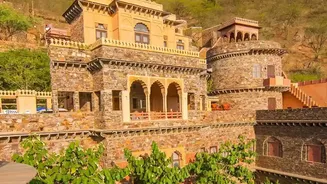
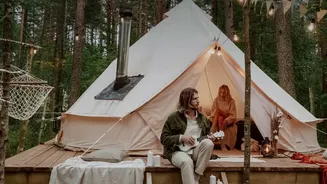
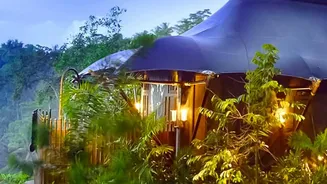
Experiential accommodation in India is incredibly diverse. It can mean staying in a restored heritage haveli in Rajasthan, where history feels alive in the architecture. It could be a sprawling coffee plantation stay in Coorg, where your morning brew comes from the fields outside your window. Travellers are seeking out glass-walled treehouses in the forests of Kerala, rustic farm stays in the Punjab countryside, and serene houseboats on the lakes of Kashmir. These are not just rooms but destinations in themselves, chosen for their character and the unique perspective they offer on a region. The focus has shifted from standardized amenities to authentic charm and a genuine connection to the location.
The New Traveller's Checklist
So, what are modern travellers looking for in these stays? It's less about a five-star rating and more about a five-star experience. Authenticity is paramount. Travellers want to live like a local, even if just for a weekend. This is followed closely by space and privacy, especially for those travelling in groups or with family. The ability to blend work and leisure is another growing factor, with business travellers increasingly opting for apartments and aparthotels. According to Booking.com's findings, 41% of business travellers chose these stays for more living space, while 40% valued being able to accommodate colleagues or family. Ultimately, travellers are seeking value, not just in terms of cost, but in the richness of the experience offered.
How to Plan Your Own Experience-Led Trip
Finding your perfect experiential stay is easier than ever. Travel platforms are increasingly highlighting unique properties, moving beyond traditional hotel listings. When searching, use keywords that describe the experience you want, such as 'farm stay,' 'heritage home,' or 'treehouse.' Pay close attention to guest reviews, looking for comments that describe the atmosphere, the host's involvement, and the unique activities offered. Don't just look at the pictures of the room; look for what’s happening beyond it. Is there a local market nearby? Does the host offer cooking classes? These details are what transform a simple holiday into a memorable journey. This approach allows you to curate a trip that is not just about where you go, but how you live when you're there.