



More Than a Meal, It's a Performance
In today’s progressive Indian restaurants, dinner is a show, and every dish plays a part. This is the heart of 'experiential dining,' a trend that blends gastronomy with art, theatre, and storytelling. Imagine sitting down to a meal where the characters
from a film being projected on the wall step out to perform in front of you, or where digital art transforms the room's atmosphere every ten minutes. This move towards immersive concepts is a response to evolving diner expectations. Patrons, especially an affluent and globally-exposed younger generation, are seeking more than just good food; they want memorable moments and a story to take home. Restaurants are now creating complete sensory journeys, where the food, design, service, and overall atmosphere come together in a seamless narrative.
The Story Behind the Spice
At the centre of this movement are visionary chefs who see themselves as storytellers. They are digging deep into India’s diverse culinary heritage, resurrecting forgotten recipes, and championing local producers from remote villages and hinterlands. The goal is to craft menus rooted in place and tradition, where each course tells a story. This might be a personal memory, a regional festival, or the history of a rare ingredient. Chef Manish Mehrotra of Indian Accent, a pioneer of this movement, is known for elevating traditional elements onto a global platform, with dishes often rooted in personal memory or cultural heritage. Similarly, Chef Prateek Sadhu's restaurant Naar focuses on the 'micro-regional' landscape of the Himalayas. This approach turns a meal into a cultural education, connecting diners to their roots or introducing them to new ones.
Designing the Experience
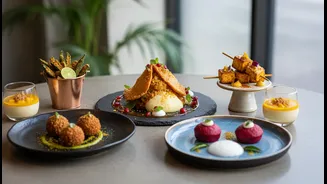
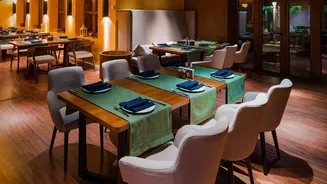
The setting for these culinary stories is just as important as the food itself. Ambiance is no longer an afterthought; it’s a core part of the experience. Restaurants are investing in stunning decor and thoughtful design to create immersive environments that could be pulled from a luxury magazine. At Dramique in Delhi, the space is conceived as part dining, part theatre. At Carnival by Trèsind in Mumbai, the vibrant colours of a carnival are brought to the plate, and performers collaborate with chefs to sync their acts with the rhythm of the meal. The objective is to create a holistic world that engages all the senses, making guests feel they've stepped somewhere mysterious and deeply human. This focus on design and narrative is helping restaurants differentiate themselves in a competitive market.
Preserving the Soul of the Dish
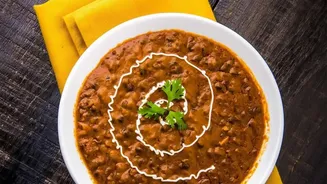
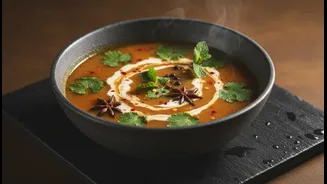
While presentation and technique are becoming more elaborate, chefs are careful not to lose the essence of the cuisine. The debate between tradition and innovation is constant. The consensus is that modernisation must stay true to the soul of the dish. Progressive Indian cuisine is not about mindless fusion, but about thoughtfully reworking a dish—altering its texture, form, or presentation while preserving its core flavour. Chefs and diners alike are rejecting superficial performance in favour of sincerity and authenticity. As many chefs returning to India from stints in global Michelin-starred kitchens have noted, the idea is to apply international discipline and imagination to local ingredients and traditions, not to erase them. It's a delicate balance of refinement without dilution, ensuring that even the most avant-garde creation is recognisably and authentically Indian.