

Why Monsoon Magnifies Food Safety Risks
The combination of warmth and high humidity during the monsoon season creates an ideal environment for harmful bacteria like Salmonella and E. coli to thrive. Microorganisms multiply rapidly in moist conditions, which means food left at room temperature
can become unsafe much faster than in drier weather. This temperature range, often called the 'danger zone' (between 4°C and 60°C), is where bacteria grow most efficiently. During the monsoon, the ambient temperature often falls squarely within this zone, accelerating food spoilage and increasing the risk of food poisoning from improperly stored leftovers.
The Golden Rule: Cool and Store Promptly
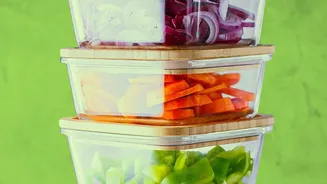
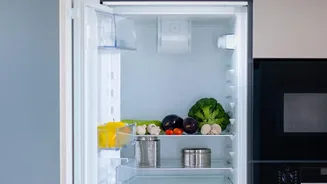
Safe reheating begins with proper storage. The most critical step is to cool cooked food quickly to get it out of the temperature danger zone. A widely accepted guideline is the 'two-hour rule': you must refrigerate cooked food within two hours of it being prepared. During particularly hot and humid monsoon days (above 32°C), this window shrinks to just one hour. Leaving food like dal, curries, or rice on the counter to cool for several hours is a common but risky practice. For faster cooling, transfer large batches of food into smaller, shallow, airtight containers before placing them in the fridge. This ensures the food cools down evenly and quickly, inhibiting bacterial growth from the start.
Reheat Thoroughly: The 74°C Target
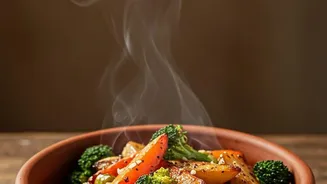
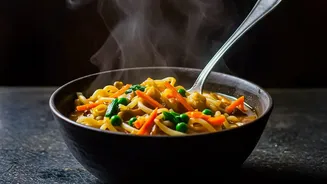
Simply warming up your leftovers isn't enough to guarantee safety. To effectively kill any bacteria that may have developed during storage, food must be reheated to a uniform internal temperature of at least 74°C (165°F). This applies to all parts of the food, not just the edges. A visual check for 'steaming hot' is a good indicator, but using a food thermometer is the most reliable way to ensure safety. Sauces, soups, and gravies should be brought to a rolling boil. This thorough heating process is designed to destroy not only the bacteria themselves but also some of the heat-resistant toxins they can produce.
Choosing Your Reheating Method Wisely
Different foods benefit from different reheating methods. The stovetop is excellent for liquid-based dishes like curries and stews, as it allows for even heating and stirring. The microwave is convenient but notorious for creating hot and cold spots. To use it safely, cover the food to retain moisture, stir it midway through the heating process, and let it stand for a minute after to allow the temperature to distribute evenly. For fried or baked items like samosas or cutlets, using an oven or an air fryer is best to restore crispness and ensure the centre is heated through.
Foods That Require Extra Caution
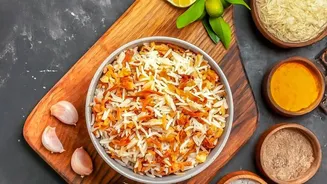
Some foods are inherently riskier to reheat. Cooked rice is a primary concern due to the potential presence of Bacillus cereus spores, which can survive initial cooking. If rice is left at room temperature, these spores can multiply and produce toxins that are not destroyed by reheating. Other high-risk foods include chicken and other meats, as their protein structure changes upon reheating, and dairy or egg-based dishes, which can separate and spoil quickly. Leafy greens like spinach contain nitrates that can convert to potentially harmful nitrites upon reheating. It is always best to cool these foods rapidly and reheat them only once.
The One-and-Done Reheating Rule
As a general rule of food safety, you should only reheat leftovers once. Each cycle of cooling and reheating provides another opportunity for bacteria to grow and can also degrade the food's texture and nutritional quality. If you have a large portion of leftovers, it's better to take out only the amount you plan to eat and reheat that, leaving the rest safely in the refrigerator. Repeatedly warming up a large container of food is a practice that significantly increases the risk of foodborne illness. If you are ever in doubt about how long something has been stored or if it smells or looks off, the safest choice is always to discard it.