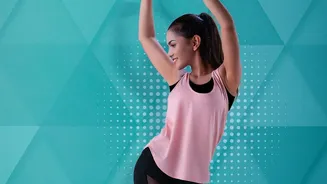



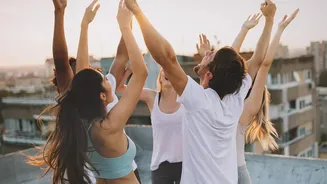
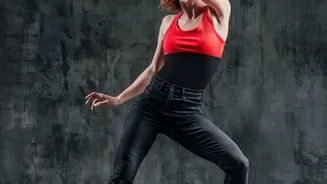
Finding time for exercise can feel like a challenge, but what if movement could be a joyful escape instead of a chore? Freestyle dance workouts and short movement breaks offer a fun, flexible way to boost your physical and mental well-being.
The Joy of Freestyle Dancing
Freestyle
dancing is exactly what it sounds like: moving your body to music without any set choreography. It’s about self-expression, not technical perfection. You don’t need a class or an instructor; you just need a bit of space and a song you love. The focus is on letting go, trusting your instincts, and exploring what feels good. This form of movement can be a powerful way to connect with your body and release pent-up tension. Because it’s self-led and has no rules, it’s an accessible form of exercise for any body type and ability. Whether you dance for one song in your kitchen or for a full 30-minute session in your living room, the goal is to find freedom in the movement.
Physical and Mental Health Perks
Like other forms of exercise, dancing is fantastic for your physical health. It improves cardiovascular fitness, builds muscle strength, and increases flexibility. But the benefits go much deeper. Dancing is known to release a potent cocktail of 'feel-good' chemicals like endorphins, dopamine, and serotonin, which can significantly boost your mood and reduce feelings of anxiety and stress. Studies have shown that free-form, 'conscious dance' can be particularly effective at improving mental health, with the vast majority of participants in one study reporting it helped them let go of distressing thoughts and feel more confident. It acts as a form of moving meditation, pulling you into the present moment and offering a mental escape from daily worries.
Unlocking Your Inner Creativity
One of the most unique benefits of improvisational movement is its ability to spark creativity. When you stop following instructions and start creating your own movements, you engage a different part of your brain. Research has found that improvisation can enhance divergent thinking, which is the ability to come up with multiple unique solutions to a problem. This creative boost isn't just for choreographing new dance moves; it can translate to more innovative thinking in other areas of your life. By allowing yourself to experiment without fear of making a mistake, you build confidence and learn to trust your own unique artistic voice.
The Power of 'Movement Snacks'
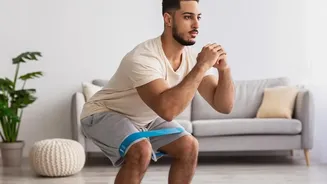
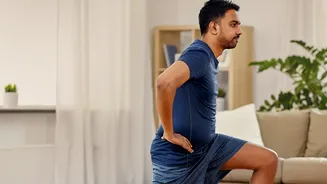
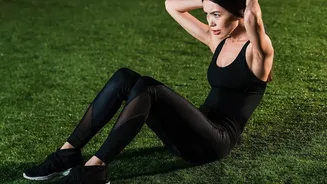
If a full dance session feels like too much, consider the power of short movement breaks, also known as 'exercise snacks'. These are brief, 1- to 5-minute bursts of activity designed to break up long periods of sitting. The modern workday often involves hours of sedentary time, which is linked to a host of health issues. Movement snacks counteract this by improving blood flow, reducing stiffness, and boosting your energy and concentration. The science is clear: regularly interrupting sitting time, even for just a few minutes, has significant benefits for your cardiovascular health and blood sugar control.
How to Fit Movement Breaks Into Your Day
The key to making movement breaks a habit is to make them easy and link them to your existing routine. This is a strategy sometimes called 'habit stacking'. For example, decide that after every meeting, you will stand up and stretch for one minute. Other simple ideas include taking the stairs instead of the elevator, doing a few squats while your coffee brews, or simply walking around your home or office during a phone call. Set a timer to remind yourself to get up and move every 30 to 60 minutes. The specific activity matters less than the act of moving itself; the goal is simply to break the cycle of being sedentary.