


A New Stop on the Backpacker Circuit
For years, the default budget trip for young adventurers meant Southeast Asia or Eastern Europe. But a desire for more unique experiences and less-crowded destinations is reshaping the travel map. Enter Uzbekistan, a country where the grandeur of Islamic
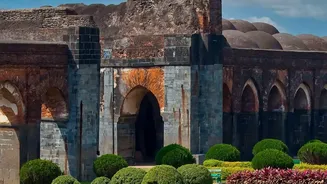
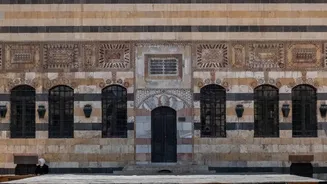
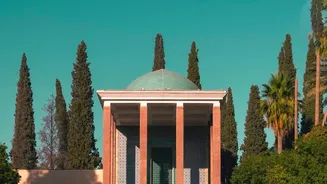
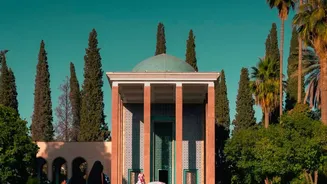
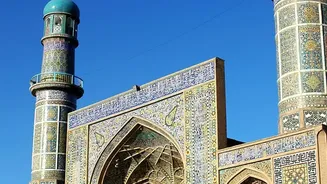
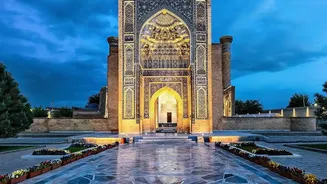
architecture meets post-Soviet modernism. Search interest in the region has surged as travellers look for authentic alternatives to over-touristed hubs. For Gen Z, a generation that values aesthetics and authenticity, the turquoise-domed mosques and sprawling, ancient bazaars of cities like Samarkand are an irresistible draw. The appeal isn't just historical; it's the chance to explore a place that feels genuinely different, offering incredible photo opportunities and stories that stand out from the crowd.
The Silk Road on a Shoestring Budget
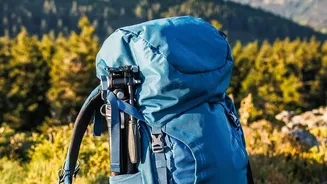
One of the biggest drivers of Uzbekistan's newfound popularity is its affordability. For budget-conscious Gen Z travellers, the value is exceptional. A comfortable 10-day trip can cost under ₹65,000, and savvy backpackers can manage on even less, with some reporting daily expenses as low as $25-$30 USD. Hostels in major cities like Samarkand are readily available and affordable, often costing between ₹1,200 and ₹2,500 per night. Food is another area where savings are huge. A delicious plate of plov, the national dish, can be found for as little as ₹150. Modern, high-speed trains connect the main cities, offering a comfortable and cheap way to travel the country without the expense of internal flights. This combination of low costs and high value makes it a perfect fit for young travellers prioritizing experiences over expensive luxuries.
Crafting Your Overland Journey
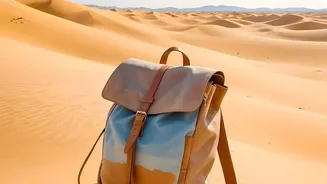
The overland aspect adds a layer of adventure that deeply appeals to this generation. Many travellers create a multi-country Central Asian circuit, often starting in neighbouring Kazakhstan or Kyrgyzstan. A popular route involves flying into Almaty or Shymkent in Kazakhstan and then crossing the border to Uzbekistan's capital, Tashkent. The Zhibek Zholy-G'isht Kuprik border crossing is a well-trodden path, connecting Shymkent and Tashkent via a journey of a few hours by shared taxi or marshrutka (minibus). Once in Uzbekistan, the itinerary practically writes itself along the ancient Silk Road trade routes. High-speed trains connect Tashkent to Samarkand in just over two hours, and from there to the historic city of Bukhara in about an hour and a half, making it easy to hop between these UNESCO-listed gems.
Samarkand: An Architectural Marvel
Samarkand is often called the jewel of the Silk Road, and for good reason. The city is an open-air museum, with its main attractions concentrated in easily walkable areas. The centerpiece is the magnificent Registan Square, a breathtaking ensemble of three grand madrasas (Islamic schools) covered in intricate tilework and majestic blue domes. Other must-see sites include the Shah-i-Zinda, an avenue of mausoleums that shimmer with blue mosaics, and the colossal Bibi-Khanym Mosque, built by Timur to be the jewel of his empire. For many young travellers, these sites are not just historically significant; they are visually stunning backdrops that seem tailor-made for a generation fluent in the language of Instagram and TikTok. The sheer scale and artistry of the architecture offer a sense of wonder that is hard to find elsewhere.
Practical Tips for Indian Travellers
Getting to Uzbekistan from India has become remarkably straightforward. Indian passport holders can apply for an e-visa online through the official portal, e-visa.uz. The process is typically quick, taking about three business days, and costs around ₹2,000. The visa allows for a single entry and a stay of up to 30 days. It's best to carry US dollars to exchange for the local currency, Uzbek Som (UZS), upon arrival. For staying connected and navigating, downloading an offline map and a ride-hailing app like Yandex Go is highly recommended. The cultural connection also adds to the appeal; many locals have a fondness for Bollywood, and you might find shared words between Uzbek and Hindi, making interactions feel warm and familiar.