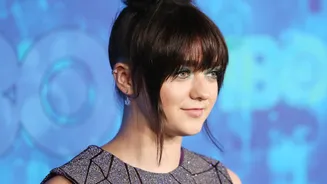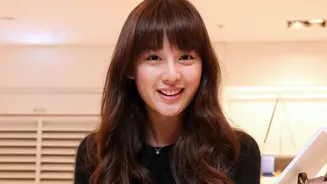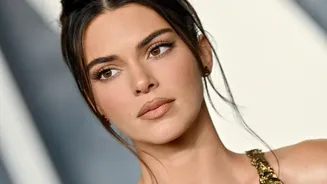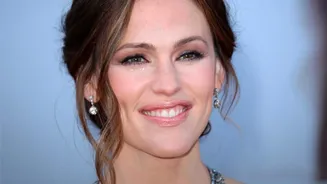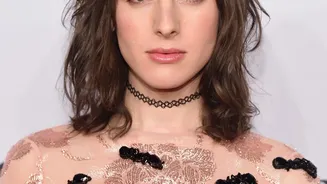



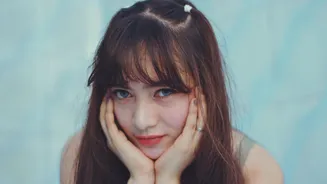
Thinking of getting a fringe but scared of the commitment? Soft curtain bangs are the answer. This versatile, face-framing style offers a chic update without the high maintenance of a blunt cut, blending seamlessly into any hair length.
The Allure of the Soft Fringe
First popularised
by 1970s style icons like Brigitte Bardot and Farrah Fawcett, curtain bangs have made a major comeback for their effortless appeal. Unlike traditional bangs that sit straight across the brow, curtain bangs are parted in the middle and swept to each side, framing the face like curtains on a window. The 'soft' variation takes this a step further. Instead of a dense, heavy fringe, soft curtain bangs are cut with feathered or wispy ends that blend seamlessly into the rest of your hair. This technique reduces weight, creating an airy, romantic effect that enhances your features without overwhelming them. The result is a fringe that feels like an integrated part of your haircut, not a separate, high-maintenance addition.
Are Curtain Bangs Right for You?
One of the biggest advantages of this style is its versatility. Soft curtain bangs can be tailored to flatter virtually any face shape. For round or square faces, longer bangs that fall below the cheekbones can help elongate and soften features. Those with oval faces can pull off nearly any length, while heart-shaped faces are beautifully balanced by a fringe that draws attention to the cheekbones. They also work with most hair textures, from straight and fine to thick and wavy. On fine hair, they can create the illusion of volume, while on thick hair, they can remove weight from around the face. Even curly hair can rock a curtain fringe, as long as it's cut to account for the hair's natural spring and texture.
Inspiration from the Style Icons
Celebrities have fully embraced the soft curtain bang trend, providing endless inspiration. Dakota Johnson is often cited for her textbook-perfect fringe—long, slightly undone, and effortlessly chic. Pop star Sabrina Carpenter has also made voluminous, 70s-style curtain bangs a signature part of her look, inspiring a viral trend of her own. Other stars like Selena Gomez, with her long, blended fringe, and Jennifer Aniston, whose layered style has incorporated a soft fringe for decades, showcase the hairstyle's timeless and adaptable nature. These examples demonstrate how the fringe can be interpreted to feel modern, romantic, or classically polished.
How to Style Your New Fringe
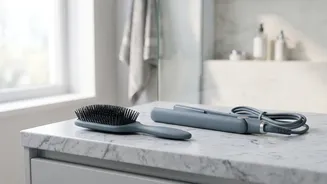
Getting that perfect sweep at home is easier than it looks. The most reliable method involves a blow dryer and a medium-sized round brush. Start with damp bangs and apply a heat protectant. First, brush your bangs forward and dry the roots to remove any cowlicks or natural partings. Then, split the fringe and, working one side at a time, wrap the hair around the round brush, rolling it away from your face. Direct the blow dryer's heat onto the brush for a few seconds, then let it cool before releasing. This 'cooling' moment is crucial for setting the shape. For a quicker touch-up, a flat iron can also work; simply clamp the hair and glide the iron down and away from your face in a soft 'C' shape. A light mist of flexible-hold hairspray or a texturizing spray will help keep the shape without making your bangs stiff or crunchy.
Talking to Your Stylist
To get the look you want, communication is key. Bringing reference photos is always a good idea, but be specific about what you like in the pictures. Use clear language like 'soft, wispy ends' and 'face-framing' to avoid getting a fringe that is too blunt or heavy. It is also helpful to point to where you want the shortest part of the bang to land—whether that's at your eyebrow, cheekbone, or jawline. This detail dramatically changes the overall effect. A good stylist will cut the bangs to blend with your existing layers and suit your face shape and hair type, ensuring you leave the salon with a fringe that's both beautiful and manageable.