

Understanding the World of Fats
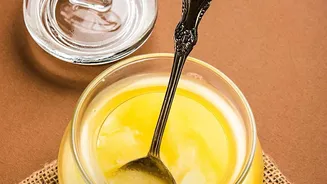
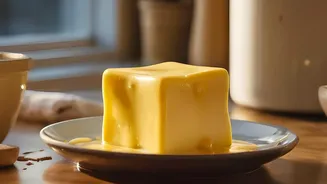
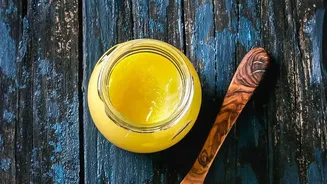
At a basic level, fats are classified by their chemical structure. Saturated fats have no double bonds in their fatty acid chains, which allows them to be packed tightly together. This is why they are typically solid at room temperature—think ghee, butter,
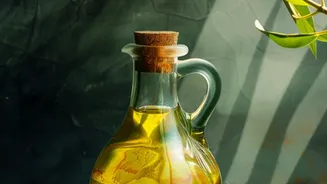
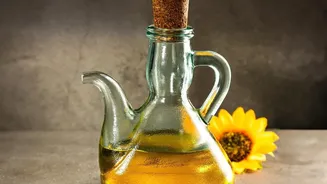
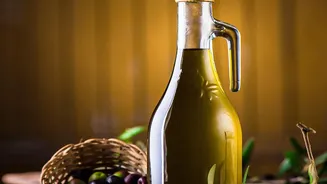
and coconut oil. Unsaturated fats, on the other hand, have at least one double bond, creating kinks in their chains that prevent them from solidifying. These are liquid at room temperature and include oils like olive, sesame, and sunflower. This structural difference is key to how they behave in our bodies. Health guidance generally recommends focusing on unsaturated fats, as excessive consumption of saturated fats has been linked to elevated levels of LDL (low-density lipoprotein), or "bad" cholesterol, a risk factor for heart disease.
The 'Cold-Pressed' Advantage
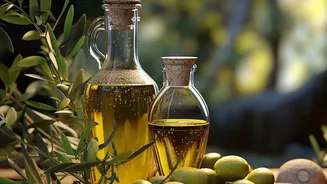
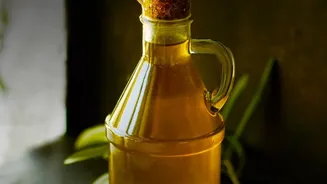
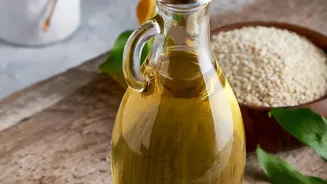
The term "cold-pressed" refers to the method of extraction. Oils are obtained by crushing seeds, fruits, or nuts and forcing out the oil through mechanical pressure. Crucially, this is done without heat, typically keeping temperatures below 49-50°C. This gentle, heat-free process is vital because many of the beneficial compounds found in oils are delicate. High-heat refining methods can destroy natural antioxidants, vitamins, and polyphenols. By avoiding heat and chemical solvents like hexane, cold-pressing yields a purer oil that retains its natural flavour, aroma, and, most importantly, its full nutritional profile. This means more vitamin E and antioxidants, which help protect the body against damage from free radicals.
Champions of Heart Health
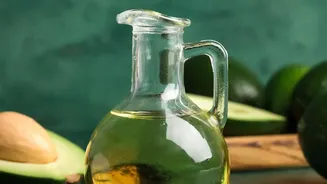
The primary reason health-conscious people champion unsaturated oils is their benefit for cardiovascular health. Unsaturated fats are divided into two main types: monounsaturated and polyunsaturated. Monounsaturated fats, found abundantly in olive oil and avocado oil, are known to help lower bad LDL cholesterol while potentially raising good HDL (high-density lipoprotein) cholesterol. Polyunsaturated fats include the essential omega-3 and omega-6 fatty acids. Omega-3s, found in flaxseed and walnut oils, are particularly celebrated for their anti-inflammatory properties and ability to reduce triglycerides, another type of fat in the blood linked to heart disease. Making a simple swap from saturated fats to these unsaturated alternatives is a well-supported strategy for improving blood cholesterol levels and reducing overall heart disease risk.
Rethinking Traditional Fats
In many Indian households, traditional fats like ghee and coconut oil are culinary staples. While ghee is clarified butter, both are high in saturated fat. Coconut oil, for instance, contains about 90% saturated fat, which is higher than butter. The discussion around these fats is nuanced. Some studies suggest coconut oil raises both 'bad' LDL and 'good' HDL cholesterol due to its lauric acid content. However, the consensus among major health bodies is to limit saturated fat intake due to its strong link with elevated LDL cholesterol. The preference for unsaturated oils is not about completely abandoning tradition, but rather about moderating the intake of saturated fats in favour of oils with a more robust profile of heart-protective benefits. It's about balance and making informed choices for long-term well-being.
How to Make the Switch
Incorporating unsaturated cold-pressed oils is simple. For salad dressings, dips, and as a finishing drizzle over cooked dishes, extra virgin olive oil and flaxseed oil are excellent choices that deliver flavour and nutrients. For everyday cooking like sautéing and stir-frying at medium heat, oils like cold-pressed groundnut (peanut) oil, white sesame oil, and avocado oil work well. Cold-pressed avocado oil has a particularly high smoke point, making it suitable for higher-heat cooking as well. The key is to be mindful of an oil's smoke point—the temperature at which it begins to smoke and break down, which can create harmful compounds. Delicate nut oils are best used without heat, while more robust options can handle the stove.