



Understanding Tension and Traction Alopecia
The primary risk associated with improperly worn clip-ins is a condition called traction alopecia. This type of hair loss occurs when there's a constant, prolonged pulling force on the hair follicles. The added weight of the extensions, especially if
they are too heavy or clipped too tightly, can strain the roots of your hair. Over time, this tension can cause inflammation, leading to hair thinning and, in some persistent cases, irreversible follicle damage where hair may not grow back. Early warning signs are often subtle, including scalp tenderness, soreness that persists, headaches, or small red bumps around the clips. Paying attention to these signals is the first step in preventing long-term problems.
Choosing the Right Extensions
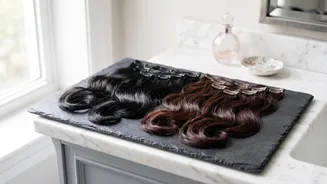
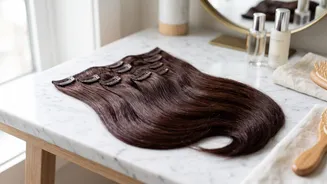
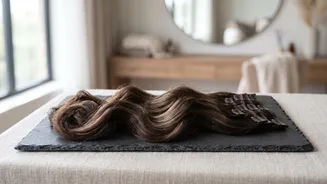
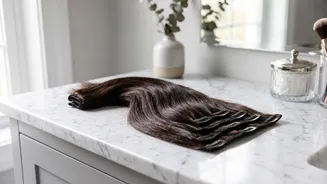
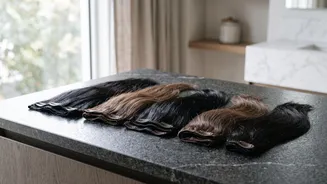
Not all clip-ins are created equal, and the right choice for you depends on your natural hair's density and strength. A common mistake is choosing extensions that are too heavy. This places excessive strain on the roots, increasing the risk of breakage and tension. If you have fine or thin hair, opt for a lightweight set. Heavier, high-density wefts are better suited for those with naturally thick and strong hair that can support the additional weight without stress. When in doubt, it’s better to choose a lighter set. The goal is to enhance your hair, not to overload it.
The Art of a Safe Application
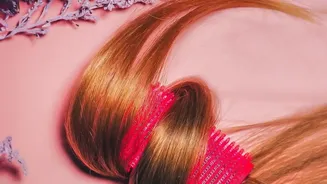
Proper application is crucial for distributing weight evenly and avoiding strain. Before clipping in a weft, create a stable base. Lightly backcombing or teasing the hair at the root where you plan to place the clip can provide extra grip, especially for fine or silky hair. This prevents the clips from sliding and pulling on individual strands. When you section your hair, ensure the parts are clean and horizontal. Attach the clips close to the root but not directly on the scalp; there should be a small amount of breathing room to prevent pinching or pulling. Start applying the wefts from the nape of your neck and work your way up, leaving about an inch or two between each row to ensure the weight is well-distributed.
Strategic Placement and Rotation
Where you place your clips matters just as much as how you place them. Avoid clipping extensions too high up on your head, particularly near the crown or your delicate front hairline, as these areas are more prone to thinning and tension. The hair here is often finer and more vulnerable. One of the most important habits to adopt is rotating the placement of your clips. Wearing them in the exact same spots every day concentrates tension on the same follicles, which significantly increases the risk of damage over time. By slightly altering where you place the wefts each time, you give specific sections of your scalp a necessary break.
Know Your Limits and Give Your Hair a Rest
Clip-in extensions are designed for temporary wear, not as a permanent fixture. It is critical to remove them before going to sleep, swimming, or working out. Sleeping in clip-ins can cause tangling and unpredictable pulling as you move, leading to significant breakage. Furthermore, it is vital to give your hair and scalp regular 'rest days'. Constant, daily use without breaks doesn't allow your follicles time to recover from the added weight and tension. Listen to your body—if your scalp feels sore or you have a headache after wearing your extensions, it’s a clear sign that they are too tight or you’ve been wearing them for too long.