




Rethink Your Watering Schedule
The single biggest mistake during the monsoon is overwatering. With high humidity in the air and less sunlight, soil takes much longer to dry out. Continuing your summer watering habits can quickly lead to waterlogged soil, which suffocates roots and causes
root rot—a fungal disease that can be fatal to plants. Before you water, always check the soil. A simple finger test works well: insert your finger about an inch or two into the soil. If it feels damp, wait another day or two before checking again. For most common houseplants, you may find your watering frequency reduces from every 3-5 days in summer to every 7-12 days during the monsoon.
Improve Drainage and Airflow
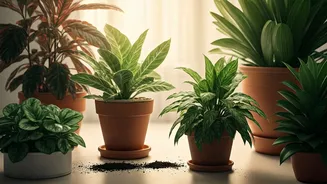
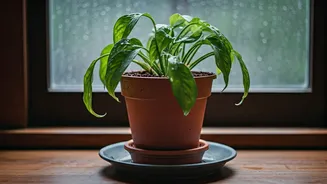
Good drainage is non-negotiable in the rainy season. Ensure your pots have drainage holes that are not clogged. If water tends to collect in the saucer beneath your pot, make sure to empty it regularly to prevent the plant from sitting in stagnant water. You can also elevate pots on small bricks or stands to improve airflow around the base. Terracotta pots are a great choice for this season as their porous nature allows soil to breathe and dry out faster. To further prevent soggy soil, consider using a well-draining potting mix containing perlite, sand, or coco peat.
Adjust for Lower Light
Overcast skies mean significantly less natural light for your indoor plants. Plants that were happy in a corner during the bright summer months might now struggle. To compensate, move your plants closer to windows where they can receive as much indirect sunlight as possible. Rotate the pots every few days to ensure all sides of the plant get some light exposure. Regularly wipe down your windows and the leaves of your plants to remove dust, which can block precious light.
Watch Out for Pests and Fungal Infections
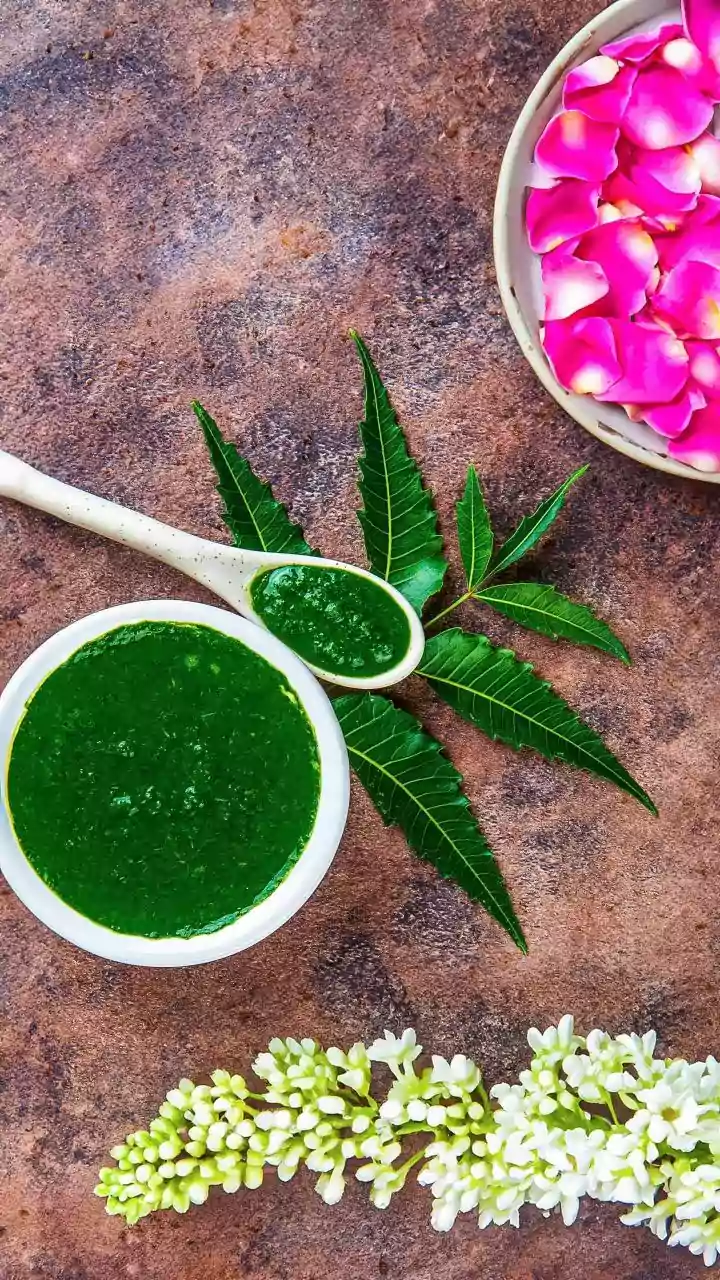
The damp, humid monsoon weather is an open invitation for pests and fungal diseases. Pests like mealybugs, aphids, and slugs multiply rapidly in these conditions. Fungal issues such as powdery mildew and leaf spot are also common. Inspect your plants regularly, paying close attention to the undersides of leaves and the soil surface. If you spot pests, a simple spray of soapy water or neem oil can be an effective organic solution. To prevent fungal growth, ensure good air circulation by not overcrowding your plants and pruning any dead or yellowing leaves.
Hold Back on Fertiliser
Most houseplants slow their growth during the monsoon due to lower light levels, meaning they require fewer nutrients. Fertilising during this semi-dormant period can do more harm than good, potentially leading to root burn if the soil is already moist. It's best to pause your regular fertilising schedule. If you feel your plants need a boost, use a mild organic option like vermicompost or composted banana peels once a month, and only apply it during a dry spell when the soil isn't saturated.
Prune and Propagate with Care
The monsoon is an excellent time for pruning and propagation. The high humidity encourages new growth and helps cuttings establish roots more quickly. Trimming overgrown branches not only helps maintain the shape of your plant but also improves air circulation, which is crucial for preventing disease. Remove any dead, yellowing, or diseased leaves promptly to stop potential problems from spreading. If you're taking cuttings to propagate new plants, this is the season they are most likely to thrive.