





The Sticky Culprit: Mango Sap
We’ve all been there. You bring home a batch of glorious mangoes, and as you twist off the stem, a clear, sticky liquid oozes out. This sap, known scientifically as urushiol, is the main offender. It’s the same compound found in poison ivy, which is why
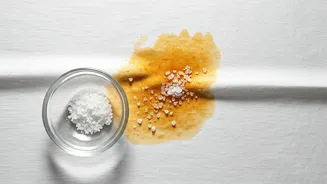
some people experience a mild skin reaction. When this sap comes into contact with fabric, it oxidises and polymerises, creating a dark, gummy stain that is notoriously difficult to remove. It doesn’t just wash out; it essentially becomes a part of the fabric's fibres. Before you know it, your fresh white kurta or your child’s T-shirt has a permanent blackish-brown mark, a frustrating memento from what should have been a purely joyful experience. Understanding the enemy is the first step to defeating it, and in the battle of mango season, the sap is public enemy number one.
The Simple Saltwater Solution
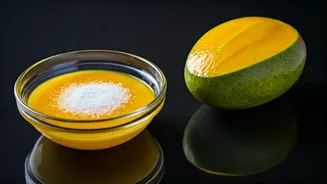
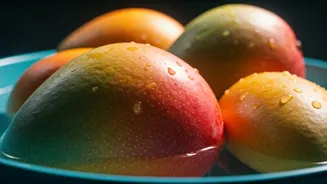
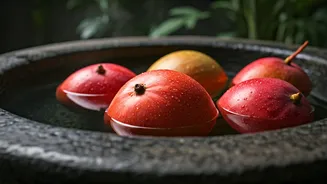
This is where generations of Indian household wisdom come to the rescue. Soaking mangoes in a bowl of cool, salted water for at least 30 minutes before cutting them is a game-changer. The science is straightforward: the sap contains enzymes that cause it to darken and set. The soaking process, particularly with salt, helps to draw out and neutralise this sap from the mango's skin and the area around the stem. Through osmosis, the water leeches the sticky latex from the fruit's pores. By the time you’re ready to eat, most of the stain-causing liquid has been washed away into the water. This means less mess on your hands, your cutting board, and, most importantly, your clothes. It’s a small, easy step that prevents the problem at its source rather than forcing you to scrub stains later.
Beyond Stains: Cooling the 'Heat'
The benefits of soaking mangoes extend beyond just preventing stains. According to Ayurveda and traditional beliefs, mangoes are considered a ‘heating’ fruit. This is often attributed to phytic acid, an anti-nutrient found in many plant-based foods. While not harmful in small amounts, excessive phytic acid can interfere with the absorption of minerals like iron, zinc, and calcium. Soaking mangoes in water helps to leach out some of this excess phytic acid, thereby reducing the fruit's overall thermogenic effect. This is why our grandmothers and mothers insisted on this practice, especially during the peak of summer. They believed it helped prevent digestive issues, skin breakouts like pimples and acne, and other problems associated with excess body heat. While the science on phytic acid reduction is more established for grains and legumes, applying the principle to mangoes is a long-standing cultural practice for better digestion and comfort.
A Cleaner, Safer Fruit
In today’s world, our concerns go beyond sap and body heat. Mangoes, like most commercially grown fruits, travel a long way from the farm to your fruit bowl. Along the way, they can accumulate dirt, dust, and residues from pesticides or chemical ripeners used to speed up the process. A quick rinse under the tap may not be enough to get rid of these surface contaminants. Soaking the fruit for a good half-hour does a much more thorough job of cleaning the skin. The addition of a little salt can act as a mild disinfectant, helping to dislodge and wash away any lingering pesticides or grime. This ensures that the fruit you are about to peel, cut, and serve to your family is as clean and safe as it is delicious. It’s a simple act of food safety that provides invaluable peace of mind.
Your Step-by-Step Soaking Guide
Ready to try it? The process couldn’t be simpler. 1. **Find a large bowl:** Choose a container big enough to comfortably hold all your mangoes and allow them to be fully submerged in water. 2. **Fill with cool water:** Use regular, room temperature, or cool tap water. Avoid using hot water, as it can affect the fruit's texture and taste. 3. **Add the salt:** You don't need much. A teaspoon of regular table salt or sea salt for a large bowl of water is sufficient. Stir it until it dissolves. 4. **Submerge the mangoes:** Place your mangoes in the saltwater bath. Make sure they are fully covered. You can place a small plate on top to keep them from floating. 5. **Wait it out:** Let the mangoes soak for a minimum of 30 minutes. An hour is even better, but avoid soaking them for more than two hours, as it might make the fruit absorb too much water. 6. **Rinse and enjoy:** After soaking, give the mangoes a final rinse under clean running water, pat them dry, and they are ready to be enjoyed, mess-free.