







The Global Allure of MICE Tourism
In the competitive world of tourism, cities are constantly searching for an edge. One of the most sought-after strategies is attracting the MICE industry—Meetings, Incentives, Conferences, and Exhibitions. Unlike leisure tourists, MICE visitors are often
high-spending professionals who travel for large-scale events. This form of tourism is a powerful catalyst, driving hotel occupancy, filling restaurants, and boosting local transport. More importantly, it acts as a city’s audition on the world stage. When a city successfully hosts a major summit or conference, it signals to a global audience of business leaders and decision-makers that it is a credible, well-equipped, and attractive place to visit and invest in. This is particularly crucial for Tier-2 cities in India, which are increasingly seen as the next engines of growth for the hospitality and events sector.
Visakhapatnam’s Strategic Bet
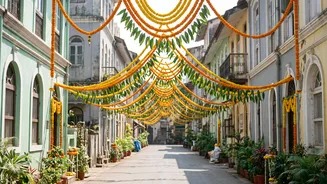
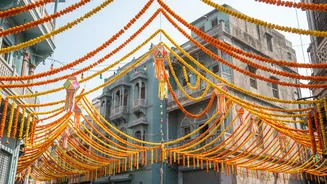
Visakhapatnam, the scenic port city on India's east coast, has embraced this strategy with enthusiasm. Officials have openly stated their goal to position the city as a major MICE destination. This ambition was showcased with high-profile events like the Global Investors Summit and various G20 meetings, which brought a flurry of beautification and infrastructure upgrades. These gatherings are not just about the immediate economic boost; they are part of a deliberate plan to leverage the city's coastal charm and growing industrial base to attract further investment, particularly in the tourism sector. The Andhra Pradesh government has further backed this with a dedicated Tourism Policy for 2024-29, granting industry status to tourism and rolling out incentives to attract investment in hotels and event facilities.
More Than Just a Convention Centre
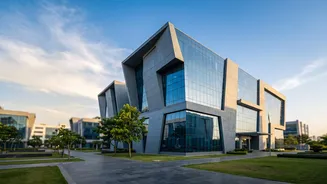
Hosting a global event requires more than just a large hall. A successful MICE destination needs a complete ecosystem. This includes a sufficient inventory of hotel rooms across different price points, seamless international and domestic flight connectivity, efficient local transport, and a range of leisure activities for delegates to enjoy after conference hours. Recognizing this, Andhra Pradesh plans to establish city-level MICE bureaus in Visakhapatnam, Tirupati, and Vijayawada to act as single-window facilitators. Plans are also afoot for a massive 'Andhra Mandapam' convention facility in Visakhapatnam, inspired by New Delhi's Bharat Mandapam, alongside a significant expansion of hotel rooms over the next five years. The development of the new Bhogapuram International Airport is also a critical piece of this puzzle, intended to serve the wider economic region and enhance connectivity.
The Ripple Effect on Leisure Tourism
The ultimate goal of MICE tourism extends beyond the event itself. The strategy banks on a powerful ripple effect. A delegate who has a positive experience at a three-day conference might be impressed enough to return with their family for a holiday. This phenomenon, often called 'bleisure' (business + leisure), is a significant driver of tourism growth. Each event creates hundreds or thousands of potential ambassadors for the city, who share their experiences through word-of-mouth and social media, providing invaluable organic marketing. Events like the upcoming 41st IATO Annual Convention in September 2026 and a major international maritime convergence in February 2026 are seen as key opportunities to showcase Vizag's potential directly to the tourism and naval communities. These events place destinations like Visakhapatnam firmly on the travel map, turning what were once considered alternative destinations into primary stops.
The Challenges on the Road to Recognition
However, the path to becoming a global MICE hub is not without its hurdles. Visakhapatnam faces stiff competition from established hubs like Hyderabad, Bengaluru, and Chennai, which already possess deep infrastructure and brand recognition. For Tier-2 cities, the challenge lies in ensuring that event-driven development is sustainable and not just a temporary facelift. There is a risk that without a consistent pipeline of events and continued investment, the initial momentum can fade. Experts caution that the success of initiatives like city-level MICE bureaus depends on strong public-private collaboration and genuine infrastructure upgrades, otherwise they risk being merely symbolic. Ultimately, hosting events must be part of a broader, holistic strategy for urban development that includes everything from waste management to improving local attractions and digital connectivity.