






The Monsoon Advantage
While most tourists might avoid the monsoon, Ayurvedic practitioners see it as the most potent time for healing. The Malayalam month of Karkidakam (typically mid-July to mid-August) is traditionally considered the ideal season for rejuvenation. According
to ancient wisdom, the cool, humid climate makes the body uniquely receptive to therapies. The moisture in the air naturally softens the skin and opens pores, allowing medicinal oils and herbal preparations to penetrate deeper into the body's tissues. This enhanced absorption makes treatments for joint pain, stiffness, and detoxification far more effective than during drier seasons. The environment, free from the dust and harsh heat of summer, creates a pure and serene backdrop for the body's natural healing processes to accelerate.
From Burnout to Balance
The appeal of this seasonal escape is deeply intertwined with the modern epidemic of millennial burnout. Faced with demanding careers, digital overload, and the pressure to remain constantly connected, many young professionals in India report significant mental health challenges. One 2022 report found that 80% of Indian professionals experienced mental health issues, with millennials and Gen Z being the most affected. The glorification of overwork has left many feeling emotionally exhausted, anxious, and disconnected. A traditional beach holiday no longer suffices. Instead, they are actively seeking structured, holistic healing that addresses not just physical fatigue but mental and emotional exhaustion. This search for genuine restoration is driving them towards authentic wellness experiences that promise a reset, not just a temporary break.
Ancient Rituals for Modern Ailments
At the heart of the monsoon wellness experience is Karkidaka Chikitsa, a specialised set of Ayurvedic treatments designed to cleanse, immunise, and rebalance the body. This isn't a simple spa package; it’s a comprehensive system involving detoxification therapies like Panchakarma, which includes procedures such as therapeutic purgation (Virechana) and medicated enemas (Basti) to flush out deep-seated toxins. Treatments like Abhyanga (synchronised full-body massage with warm medicated oils) and Shirodhara (a continuous stream of oil poured onto the forehead) work to calm the nervous system, relieve stress, and promote mental clarity. The regimen is complemented by a specific diet, often featuring Karkidaka Kanji, a medicinal rice gruel made with restorative herbs to boost immunity and improve digestion, which tends to be sluggish during the monsoon.
A Digital Detox by Default
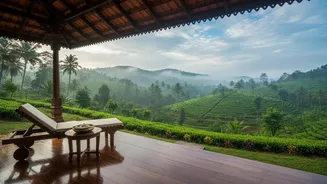
A key, often unstated, benefit of these retreats is the enforced digital detox. Nestled in serene, green landscapes, often with limited connectivity, these clinics encourage guests to disconnect from the digital world. This break from screens and the constant influx of information is critical for mental recuperation. The daily routine is structured and simple: consultations with the physician, tailored treatments, gentle yoga sessions, and mindful meals. There are no urgent emails to answer or social media feeds to scroll through. This deliberate slowing down allows the nervous system to reset, improving sleep quality and reducing the cognitive overload that characterises modern urban life. It’s a forced opportunity to turn inward, listen to one's body, and foster a sense of inner peace that has become a rare commodity.