



Leafy Greens: A Risky Choice
Spinach, lettuce, cabbage, and other leafy greens are notoriously difficult to keep fresh during the monsoon. The high moisture in the air clings to their large surface area, creating a perfect breeding ground for bacteria and fungi. Because they grow
close to the ground, they are more susceptible to contamination from soil and dirty water. Even with thorough washing, it's hard to remove all the hidden grit, germs, and even tiny larvae that can hide in the folds of the leaves, increasing the risk of stomach infections. If you do buy them, it's best to cook them thoroughly rather than using them in raw salads.
Cruciferous Vegetables: Handle with Care
Vegetables like cauliflower and broccoli, with their tightly packed florets, can become a trap for moisture, mud, and insects during the rainy season. This damp environment inside the vegetable head promotes the growth of mould and fungi, which may not be visible from the outside. This can lead to digestive issues or other infections if the vegetables aren't cleaned meticulously and cooked well. The complex structure makes them very difficult to clean properly, and the risk of consuming pests or bacteria increases significantly in the humid weather.
Spongy and Soft Vegetables
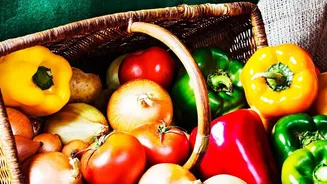
Mushrooms and eggplants (brinjal) are other vegetables to be cautious with. Mushrooms are highly porous and absorb moisture from the air, causing them to become slimy and spoil very quickly. Similarly, the spongy texture of brinjal makes it prone to rot and can also attract more insects and fungal infections during the monsoon. Some sources also note that eggplants may produce more alkaloids—natural chemicals to ward off pests—during this season, which can cause allergic reactions in some people. Bell peppers (capsicum) also tend to spoil faster due to their high moisture content.
Root Vegetables: Check Before Buying
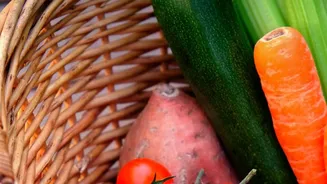
While many root vegetables are hardy, the monsoon can still pose a risk. Vegetables that grow underground, like carrots and radishes, can be exposed to contaminated soil and water. It is crucial to clean them properly and cook them well to avoid potential gastrointestinal problems. Potatoes, while a staple, are more prone to sprouting and developing soft, rotten spots in the high humidity if not stored in a well-ventilated, dry place. Always inspect root vegetables for any signs of spoilage or excessive moisture before purchasing.
Smarter Monsoon Swaps
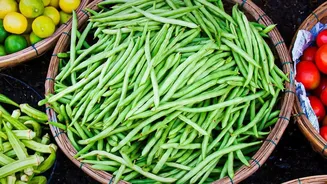
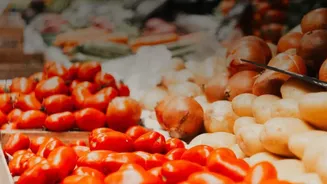
Instead of focusing on what to avoid, fill your basket with vegetables that thrive in the monsoon. Gourds are the heroes of this season. Bottle gourd (lauki), ridge gourd (turai), bitter gourd (karela), and snake gourd are excellent choices as they are less susceptible to spoilage and contamination. Pumpkin, okra (bhindi), tomatoes, and beans are also considered safe and healthy options for the rainy season. These vegetables generally grow on vines well above the water-logged ground and have a natural resilience to the damp conditions.
Storage Secrets for High Humidity
Proper storage is just as important as smart shopping. First, never store your vegetables in sealed plastic bags, as this traps moisture and accelerates spoilage. Wait to wash your produce until just before you are ready to use it; washing and then storing adds excess moisture. For greens like coriander, you can wrap them in a paper towel to absorb extra water before refrigerating. Keep vegetables in a cool, dry, and well-ventilated space. For items stored in the refrigerator, ensure it is cleaned regularly to prevent the growth of mould and bacteria.