







The End of Physical Visa Documents
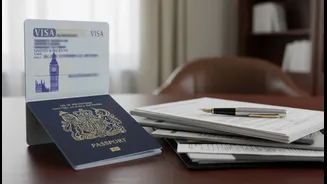
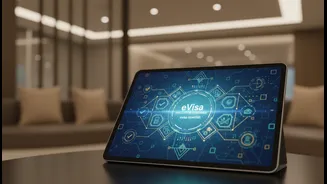
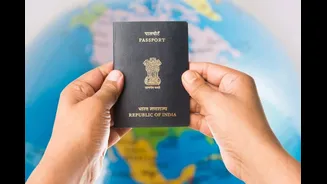
The United Kingdom has moved to a fully digital immigration system, replacing most physical documents with an online record of your immigration status called an eVisa. For Indian travellers, this means that successful visa applications will no longer
result in a vignette (sticker) in your passport or a Biometric Residence Permit (BRP) card collected after arrival. Instead, your permission to enter and stay in the UK is recorded digitally and linked directly to your passport. This shift is part of a broader government plan to streamline border control and enhance security. While the core application process of filling forms and providing biometrics remains, how you prove your status for travel and within the UK has completely changed.
Your UKVI Account Is Now Essential
The key to this new paperless world is the UK Visas and Immigration (UKVI) account. Upon a successful visa application, you will be prompted to create one. This online portal is where your eVisa is held and managed. It is your responsibility to set up this account and ensure all your details, especially your name, date of birth, and passport information, are correct. Mismatched information between your eVisa record and your passport can lead to significant issues, including being denied boarding by your airline. This account becomes the single source of truth for your right to be in the UK, making it a critical tool for every visa holder.
Proving Your Status: The 'View and Prove' Service
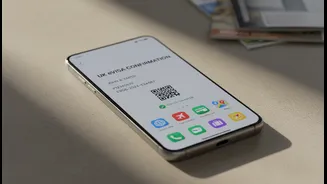
To prove your rights to airlines, employers, or landlords, you must use the 'View and Prove' service within your UKVI account. This tool allows you to generate a temporary 'share code'. You then provide this code to the third party, who uses it to access a real-time confirmation of your immigration status directly from the government. A share code for travel is typically valid for 90 days. It's crucial to understand that a screenshot of your eVisa status page is not considered valid proof; you must generate an official share code for verification purposes. This is the “more preparation” part of the new system—you must be proactive in generating these codes whenever needed.
Before You Travel: A New Checklist
The responsibility for being 'travel ready' now rests squarely with you. Before booking any flights, log into your UKVI account and perform these checks. First, confirm that your current, valid passport is correctly linked to your eVisa. If you have renewed your passport, you must update the details in your UKVI account well in advance of your travel date. Second, review your eVisa to ensure your immigration status and personal details are accurate. Any errors must be reported to UKVI immediately to avoid problems at the border. Airlines will digitally verify your status before you board, and a discrepancy can prevent you from flying.
Potential Pitfalls and How to Avoid Them
The move to a digital-only system is not without challenges. Reports have highlighted issues such as technical glitches preventing users from accessing their accounts, incorrect data on eVisas, and difficulties linking new passports. There have also been instances of employers and airlines being unfamiliar with the new system. To safeguard yourself, always update your contact information in your UKVI account so you can recover access if needed. It is also wise to generate your travel share code before heading to the airport and, while not a formal backup, keeping a printed or PDF copy of your eVisa status page might be helpful for reference.