


1. The Mighty Millet Revival
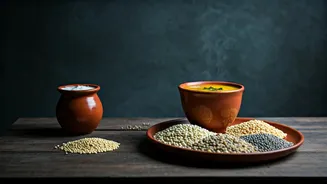
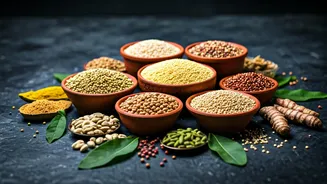
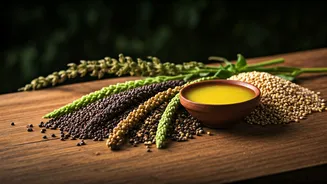
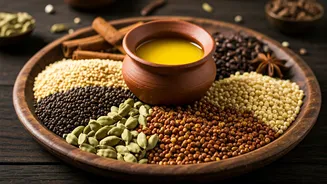
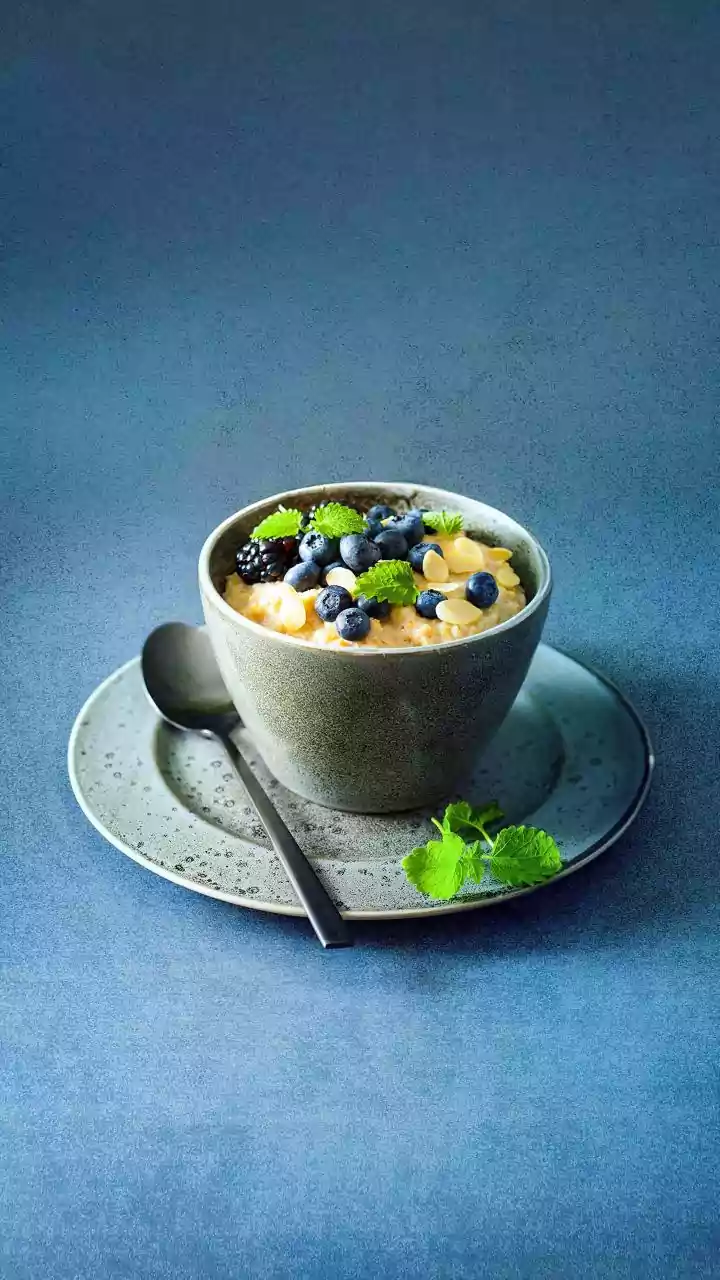
Remember when millets like ragi, jowar, and bajra were dismissed as 'coarse grains'? Not anymore. Driven by a government push and a growing awareness of their benefits, millets are making a spectacular comeback. These climate-resilient grains are gluten-free,
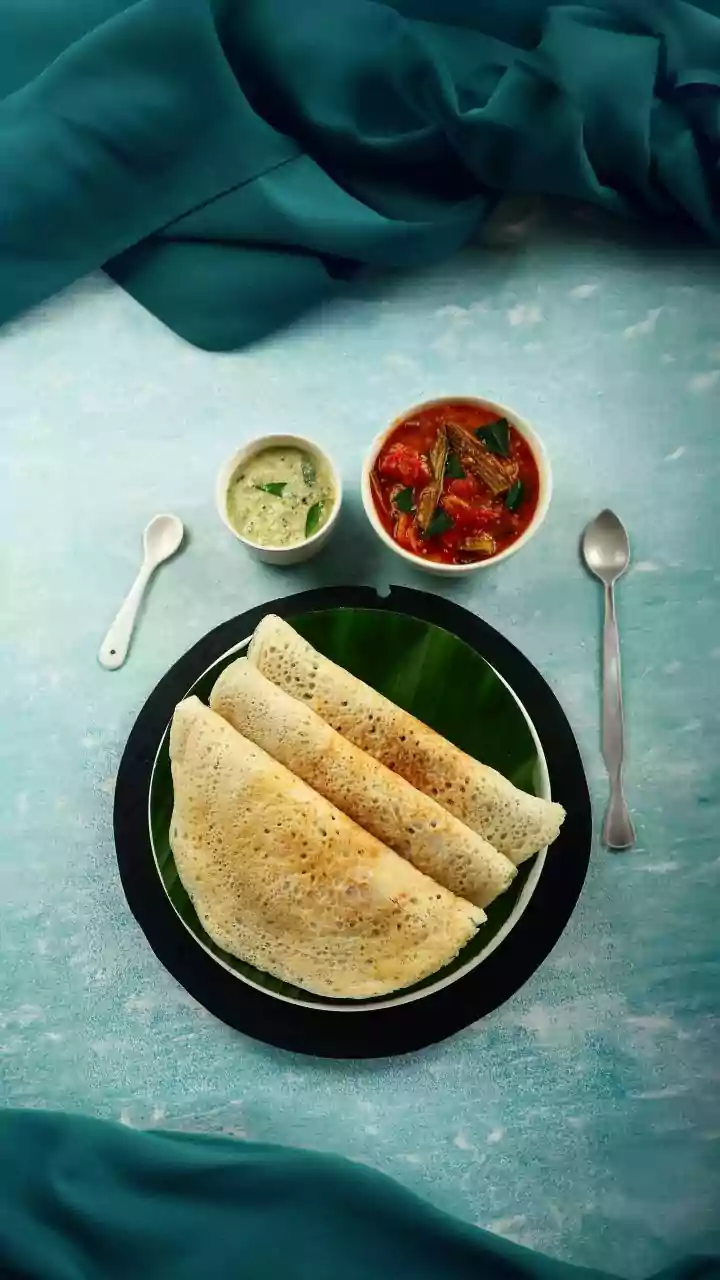
high in fibre, and packed with protein and micronutrients. They are a diabetic-friendly alternative to refined wheat and rice, helping manage blood sugar levels. From ragi dosas and jowar rotis to millet-based breakfast cereals and even pizzas, chefs and home cooks are creatively incorporating these ancient grains back onto the modern Indian plate. This isn't just a health trend; it's a sustainable choice that supports local farmers and food security.
2. Ghee: From Villain to Hero
Not long ago, ghee was public enemy number one, blamed for cholesterol and heart disease. Today, it’s been rightfully reinstated as a superfood. This golden liquid is a source of healthy fats, including butyric acid, which is great for gut health, and fat-soluble vitamins like A, E, and D. Nutritionists now celebrate it for its anti-inflammatory properties and its ability to aid digestion. The key, as our grandmothers always knew, is moderation and quality. Pure, desi cow ghee is being embraced not just for cooking, but as a finishing oil drizzled over dal, rice, and rotis to enhance both flavour and nutrient absorption. The fear is gone, replaced by a renewed appreciation for this staple of Ayurvedic wellness.
3. The Fermentation Fix
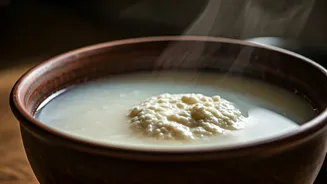
Long before kombucha became cool, Indian households mastered the art of fermentation. We are now rediscovering the power of our traditional fermented foods for gut health. From the humble dahi and idli/dosa batter to regional specialities like dhokla, kanji (a fermented carrot drink), and pickles, these foods are teeming with probiotics. These beneficial bacteria are essential for a healthy gut microbiome, which is linked to everything from improved digestion and immunity to better mental health. This trend is about looking beyond packaged probiotics and embracing the live, active cultures present in the foods that have been part of our culinary heritage for centuries.
4. Hyper-Local Superfoods
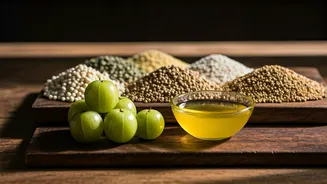
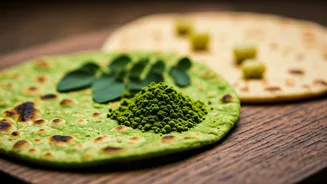
Why import goji berries when you have amla? This is the question driving the trend towards hyper-local superfoods. Indians are looking past exotic, expensive imports and celebrating the nutritional powerhouses growing in their own backyards. Think moringa (drumstick leaves), a complete protein packed with vitamins; amla, one of the richest natural sources of Vitamin C; and jackfruit, a versatile fruit that serves as a popular meat substitute. These indigenous plants are not only incredibly nutrient-dense but also more affordable and environmentally friendly. This shift represents a growing pride in India's immense biodiversity and a smarter, more sustainable approach to nutrition.
5. Spices as Modern Medicine
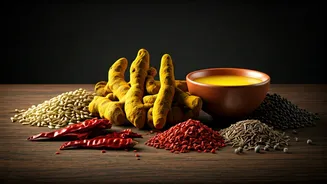
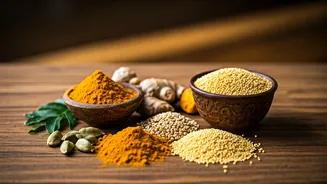
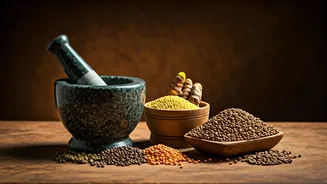
The world woke up to the 'turmeric latte', but for us, haldi doodh has always been the go-to remedy for colds and inflammation. This trend sees a deeper, more intentional use of spices for their medicinal properties. It’s about understanding that spices aren't just for flavour. Turmeric (curcumin) is a powerful anti-inflammatory, cinnamon helps regulate blood sugar, ginger aids digestion, and black pepper enhances nutrient absorption. People are consciously adding spice blends not just to curries, but to teas, smoothies, and simple daily meals, harnessing the preventative and healing power that forms the bedrock of Ayurveda. It's a move from the spice box to the medicine cabinet, all within the context of everyday food.