





1. Urad Dal (Black Gram)
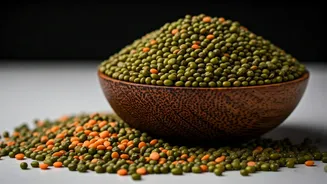
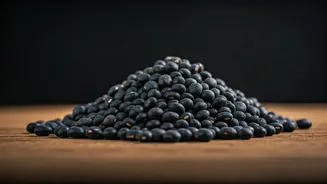
Topping the charts is Urad Dal, boasting approximately 25 grams of protein per 100g of uncooked dal. It's the powerhouse behind creamy dal makhani and the foundation of fluffy idlis and crisp dosas. Beyond protein, it is also a fantastic source of iron,
dietary fibre, and magnesium, making it incredibly nutrient-dense. Its rich, satisfying texture contributes to a feeling of fullness, which can help in managing your appetite. Its high protein content makes it an excellent choice for muscle repair and overall energy.
2. Masoor Dal (Red Lentil)
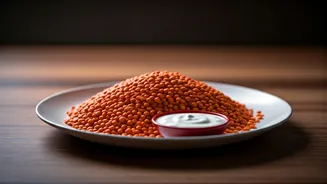
Coming in at a very close second, Masoor Dal offers about 24 to 25 grams of protein per 100g uncooked. This quick-cooking lentil is perfect for busy weeknights and is prized for its earthy flavour in simple dal tadkas and hearty soups. Masoor dal is also noted for being rich in antioxidants and having a low glycemic index, which helps in managing blood sugar levels. Its combination of high protein and fibre makes it a great choice for weight management.
3. Moong Dal (Green/Yellow Gram)
Moong Dal, whether you choose the whole green gram or the split yellow version, provides around 24 grams of protein per 100g uncooked. It is famously easy to digest, which is why it's a key ingredient in khichdi, a comforting meal often recommended during recovery from illness. Despite being light on the stomach, it packs a serious nutritional punch. It's also incredibly versatile and can be used to make everything from simple dals and soups to savoury pancakes known as cheela.
4. Toor/Arhar Dal (Pigeon Pea)
A staple in almost every Indian household, Toor Dal contains approximately 22 grams of protein per 100g uncooked. It is the heart of South Indian sambar and the classic Gujarati dal. While its protein content is slightly lower than the top contenders, it remains an excellent and essential source for daily meals. It provides sustained energy thanks to its complex carbohydrates and is a reliable component of a balanced vegetarian diet.
5. Chana Dal (Split Bengal Gram)
Chana Dal, made from splitting and polishing Bengal gram, offers about 20 to 22 grams of protein per 100g uncooked. It has a firm texture and a nutty flavour that holds up well in a variety of dishes. What makes chana dal particularly noteworthy is its high fibre content and low glycemic index, which helps in slowing digestion and promoting stable blood sugar levels. This combination of protein and fibre makes it especially good for satiety, keeping you feeling full and satisfied for longer.
Making Your Dal a Complete Protein
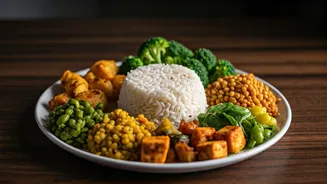
It's important to remember that most dals, like other plant-based proteins, are technically 'incomplete'. This means they don't contain all nine essential amino acids that the body cannot produce on its own. Dals are typically low in an amino acid called methionine. However, the traditional Indian way of eating provides a simple solution. Grains like rice and wheat are rich in methionine but lack another amino acid, lysine, which dals have in abundance. By pairing dal with rice or roti, you create a complete protein profile, giving your body all the essential building blocks it needs.