
The Great Urban Exodus
For years, the path to a successful career for many Indians involved migrating to a bustling metropolis like Mumbai, Delhi, or Bengaluru. But the trade-off was steep: high rents, traffic-clogged commutes, pollution, and a relentless pace of life that
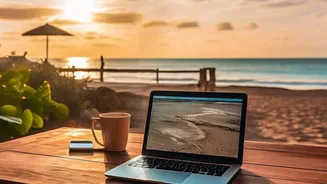
often leads to burnout. The rise of remote work, accelerated in recent years, has offered a viable alternative. Freelancers, from content creators and coders to digital marketers, are realising that if their work is location-independent, their life can be too. This has sparked a quiet migration away from the concrete jungles and towards areas that offer a better quality of life at a fraction of the cost.
The Himalayan Pull of Kasol and Bir
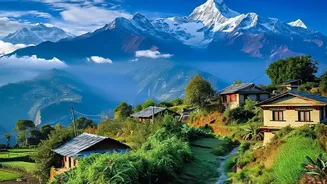
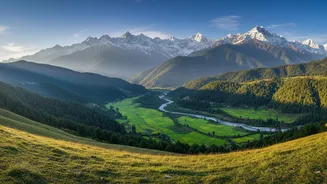
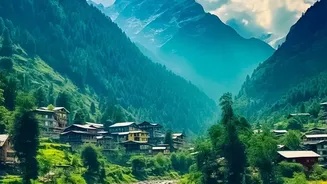
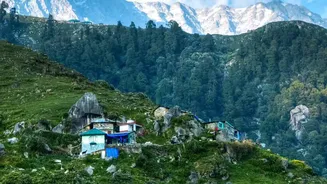
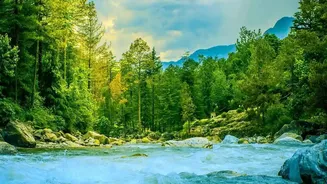
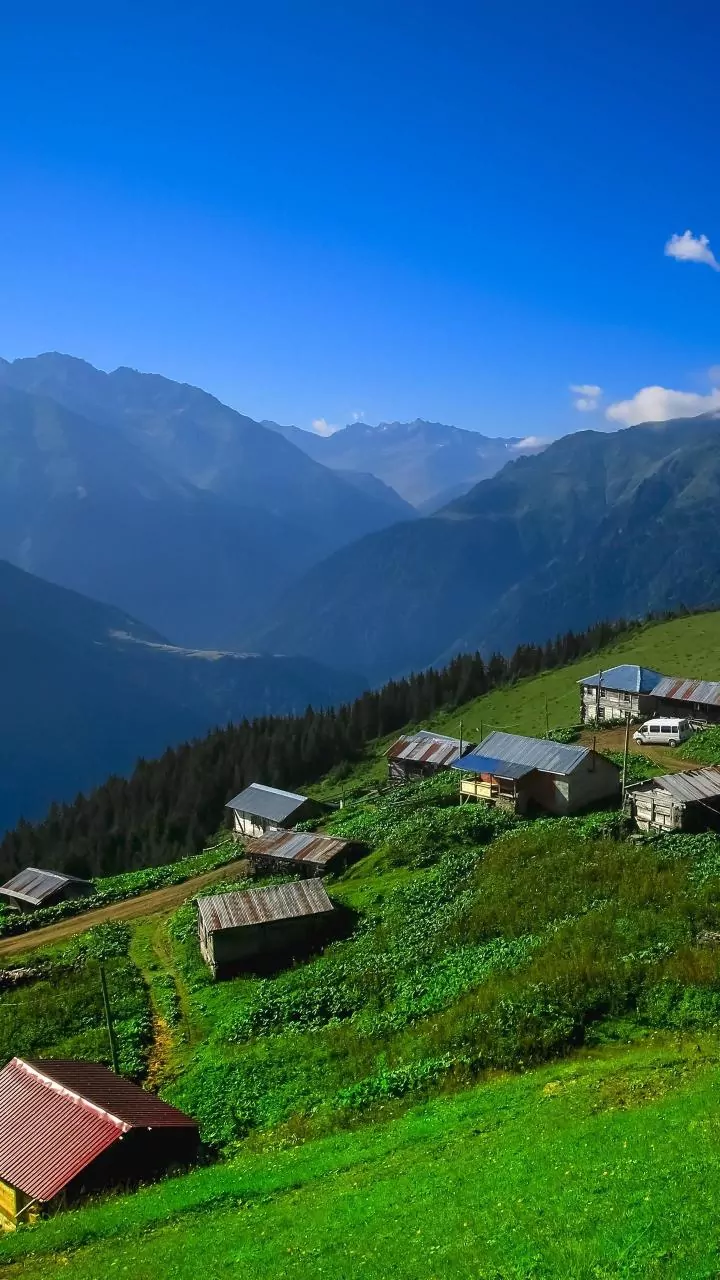
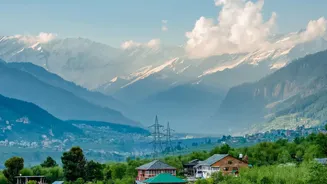
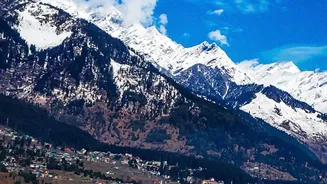
Nestled in Himachal Pradesh, Kasol and Bir have emerged as top destinations in this reverse migration. Kasol, situated in the picturesque Parvati Valley, is known for its stunning riverside views, dense pine forests, and a vibrant backpacker culture. It serves as a gateway to scenic treks like Kheerganga and Tosh. Bir, famous globally as a paragliding hub, offers a unique blend of adventure and Tibetan culture. It boasts a calmer, more focused energy, with numerous monasteries and meditation centres. What unites them is a well-established café culture, a growing community of long-stay travellers, and an atmosphere that encourages a slower, more intentional pace of life.
Breaking Down the Monthly Costs
The primary driver of this trend is affordability. Compared to a major city, the cost of living in these towns is remarkably low. A freelancer can manage a comfortable lifestyle for what they might pay for rent alone in a metro. A furnished one-room set or studio apartment can be rented for anywhere between ₹8,000 to ₹15,000 per month. Food expenses, if one mixes eating at local dhabas with cooking, can be kept between ₹5,000 and ₹8,000 monthly. A monthly scooter rental, a popular way to get around, costs about ₹3,000. In total, a freelancer can live comfortably on a monthly budget of ₹20,000 to ₹35,000, a stark contrast to the ₹50,000 or more needed for a basic lifestyle in a big city.
A Day in the Life of a Mountain Freelancer
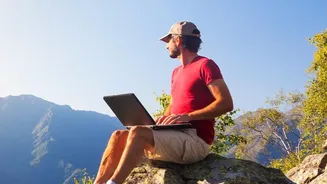
The lifestyle is a key part of the appeal. The workday no longer needs to be a rigid 9-to-5. Many freelancers adopt a routine that blends work with leisure. Mornings might be for focused work, fuelled by coffee in a café with mountain views. Afternoons could be for a hike along the Parvati River in Kasol or exploring the monasteries in Bir. The evenings often involve socialising with other freelancers and travellers, sharing stories over a simple meal. This balance helps improve productivity and creativity, as the environment itself feels less stressful. The growth of hostels and co-living spaces offering monthly stays has also fostered a strong sense of community, ensuring that one doesn't feel isolated.
Navigating the Challenges
However, the mountain life is not without its challenges. While internet connectivity has improved drastically, with fibre broadband now available in many areas, it can still be unreliable during bad weather. Access to specialised healthcare is limited, and residents often have to travel to larger towns for serious medical issues. The winters can be harsh, with heavy snowfall sometimes leading to power cuts and a sense of isolation. Furthermore, the influx of long-term tourists puts a strain on local resources and culture, an important factor for anyone considering the move to be mindful of.