






The Old Standard: Why Foam is Fading
For decades, anyone setting up a home studio reached for polyurethane foam panels. They’re lightweight, relatively cheap, and their signature wedge or pyramid shapes became synonymous with sound control. However, this old standard has significant drawbacks.
Most acoustic foam is a petroleum-based product, making it an unsustainable choice. It can also degrade over time, crumbling and releasing dust particles into your creative space. More concerningly, some foams can release Volatile Organic Compounds (VOCs), which compromise indoor air quality. While effective at absorbing some high-frequency sounds, foam is notoriously poor at handling the lower-frequency rumble of traffic or a neighbour’s bass, which are common issues in apartment buildings.
Enter Green Acoustics: The Plant-Based Revolution
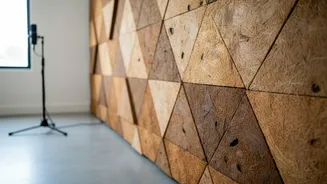
The next generation of sound absorption is growing, quite literally. Plant-based soundproofing panels are made from a variety of natural, renewable, and often recycled materials. These include compressed wood fibres, cork, hemp, flax, and even agricultural byproducts like panels made from date palm or oil palm trunks. Some of the most innovative options even use mycelium, the root structure of fungi, to create dense, effective acoustic absorbers. These materials represent a major shift towards sustainability in building and interior design. They are biodegradable, non-toxic, and turn materials that might otherwise be waste into high-performance products for your home.
Superior Sound, Naturally
So, how do they stack up against foam? The science points to a clear advantage for plant-based options. Acoustic performance is often measured by a Noise Reduction Coefficient (NRC), a rating from 0 to 1 indicating how much sound a material absorbs. While basic foam panels may have an NRC of around 0.4, many natural fibre panels, like those made from recycled PET or dense felt, can achieve ratings of 0.85 or higher. The key is density and porosity. The complex, fibrous structure of materials like hemp or wood fibre is inherently better at trapping and converting a wider range of sound frequencies into tiny amounts of heat. Foam is good at taming high-frequency flutter and echo, but denser plant-based panels are more effective at absorbing the mid- and low-frequency sounds that are the bane of apartment living.
Beyond Acoustics: Health, Safety, and Style
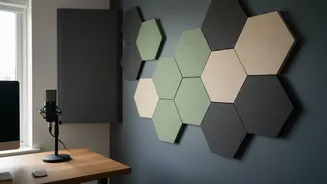
Choosing plant-based panels isn’t just an acoustic upgrade; it's a lifestyle one. A primary benefit is improved indoor air quality. Natural materials like cork, wood, and hemp do not off-gas harmful chemicals, creating a healthier environment for the long hours spent writing, recording, and mixing. Aesthetically, they offer a warmth and texture that foam can’t match. Instead of a sterile, padded-room look, you can have panels that feature the natural grain of cork or the organic feel of wood slats on a felt backing. This allows your acoustic treatment to become a design feature rather than something to be hidden. Furthermore, many natural fibres have better fire-resistance ratings than their untreated foam counterparts, adding an extra layer of safety to your home studio.
Making the Switch: Is It Worth The Investment?
While the upfront cost of high-quality, plant-based panels can be higher than the cheapest foam options, it's an investment in performance, durability, and health. Many natural panels are designed for easy, DIY-friendly installation using adhesives or simple mounting systems. Unlike foam, which can discolour and become brittle, materials like wood and cork are highly durable and will maintain their appearance and performance for years. The growing demand for sustainable products means these panels are becoming more accessible. You are no longer just buying sound absorption; you are investing in a healthier creative space, superior acoustic control, and a product that aligns with a more conscious way of living.