



The Unifying Rules of the Fast
Across the regions where fasting is observed, the core principles of the Navratri diet, often called 'vrat' or 'upvas', remain consistent. The diet is sattvic, designed to be pure and light on the digestive system. Regular grains like wheat and rice are
set aside, as are lentils, onions, garlic, and common table salt. In their place, a special pantry of ingredients takes over. These include a variety of fruits, dairy products like milk and yogurt, and nuts. The salt of choice becomes sendha namak, or rock salt. This culinary shift is believed to cleanse the body and aid spiritual focus during the nine nights dedicated to Goddess Durga. While these rules form a common thread, the way they are interpreted using local ingredients is where the true diversity of India's festive food culture shines.
Northern Staples: Buckwheat and Millets
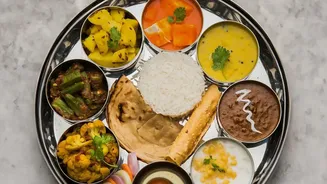
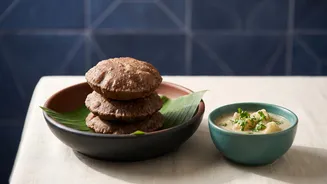
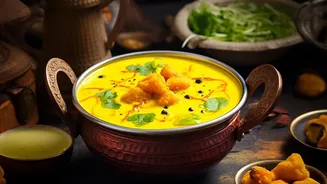
In North India, the Navratri plate is dominated by a group of ingredients often referred to as pseudo-grains. Flours like kuttu ka atta (buckwheat flour), singhare ka atta (water chestnut flour), and rajgira (amaranth flour) become the staples. These are not true cereals and are permitted during the fast. Dishes like crispy Kuttu ki Puri, often paired with a simple, tangy potato curry made without onion or garlic, are festival favourites. Another hero ingredient is samak ke chawal, or barnyard millet. This tiny grain is incredibly versatile and is used to make everything from a fluffy pulao to a comforting khichdi, providing sustained energy for devotees.
The Western Powerhouse: Sabudana and Peanuts
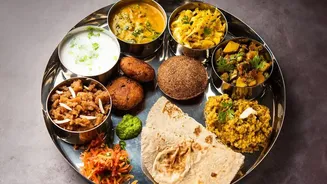
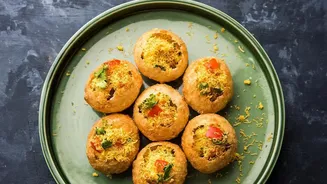
Travel west to Maharashtra and Gujarat, and you'll find that sabudana (tapioca pearls or sago) reigns supreme. Sabudana Khichdi is perhaps the most iconic Navratri dish in this region—a delightful mix of soaked sago pearls, boiled potatoes, roasted peanuts, and green chillies. It’s a perfect balance of carbohydrates and protein that keeps one full and energised. Another popular snack is the Sabudana Vada, a deep-fried patty that is crispy on the outside and soft on the inside. The 'farali' (fasting food) cuisine here is rich and innovative, featuring creative dishes like Farali Misal, which uses a potato and peanut-based gravy instead of the usual sprouts, and even Farali Dhokla made from barnyard millet.
Southern Offerings: Legumes and Coconut
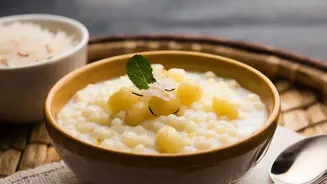
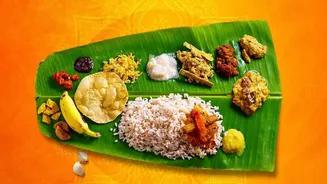
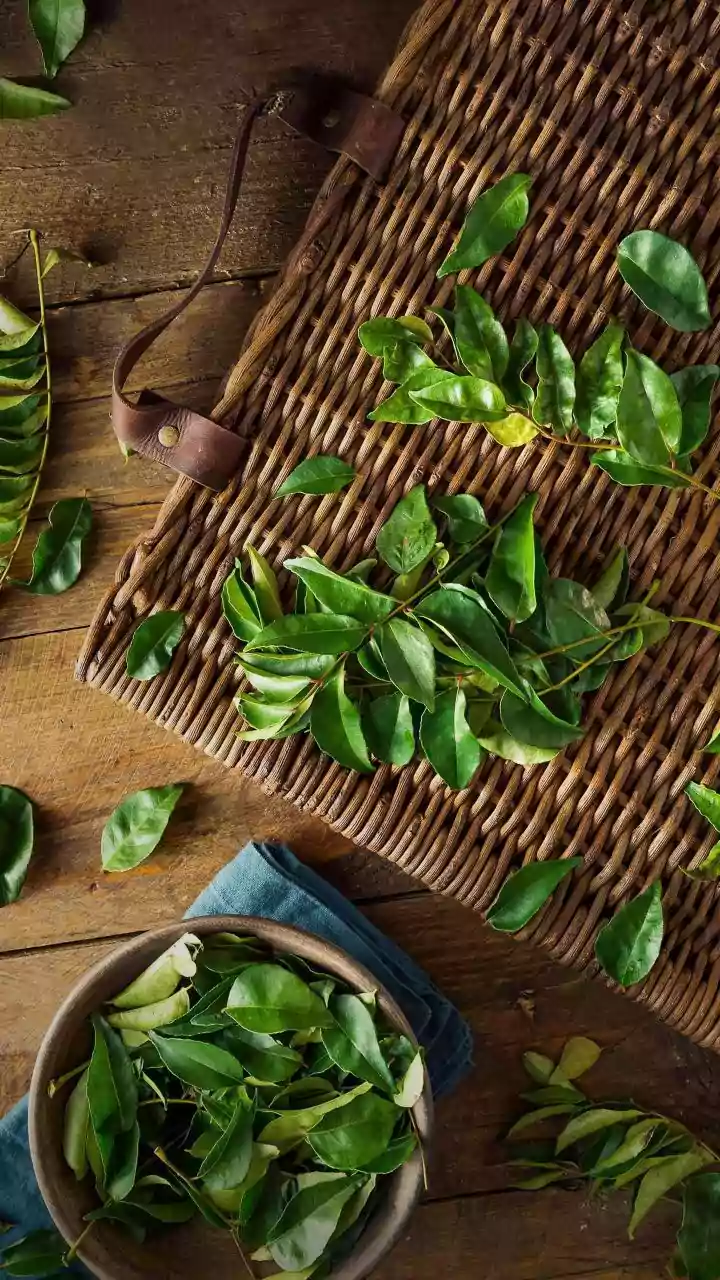
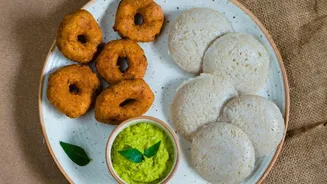
In South India, the Navratri celebration, often centered around the Golu doll display, takes a different culinary path. While fasting can be less stringent, the food prepared is strictly sattvic, avoiding onion and garlic. A key tradition is the preparation of 'sundal', a simple and nutritious dish made from different legumes like chickpeas, black-eyed peas, or moong dal. Each day, a different kind of sundal is prepared, lightly tempered with mustard seeds, curry leaves, and a generous amount of fresh coconut, and offered as prasadam to guests. Sweet dishes like Payasam (a milk-based pudding) are also a staple, often made with jaggery, rice, and nuts.
Eastern Feasts: A Celebration of Durga Puja
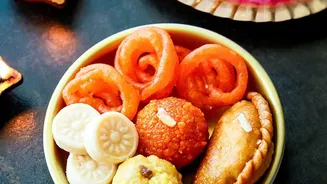
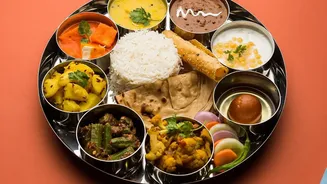
In West Bengal and other parts of Eastern India, Navratri coincides with Durga Puja, which is largely a time for feasting rather than fasting. From the sixth day (Shashthi) onwards, the atmosphere is celebratory, and food plays a central role. While some may observe a fast, the highlight for many is the 'bhog'—a communal feast offered to the goddess. The quintessential bhog includes Khichuri, a flavorful rice and lentil dish, served with a mixed vegetable curry called 'labra', fried vegetables, and a sweet tomato chutney. Traditional Bengali sweets, especially those made from coconut and jaggery like Narkel Naru, are also an indispensable part of the festivities.