








Registration: Your First Step
The journey begins not in the mountains, but with successful registration. The Shri Amarnathji Shrine Board (SASB) manages the entire process. Registration for the 2026 Yatra, which runs from July 3 to August 28, began on April 15. You can register online
through the official SASB website (jksasb.nic.in) or offline at designated bank branches. A crucial requirement for everyone is the Compulsory Health Certificate (CHC), which must be issued by a doctor or institution authorised by the SASB on or after April 8, 2026. This certificate confirms you are fit for the high-altitude trek. Registration is mandatory, and you will not be allowed to proceed without a valid Yatra Permit and a Radio Frequency Identification (RFID) card, which is collected in Jammu or Kashmir before the trek.
Choosing Your Path: Pahalgam vs. Baltal
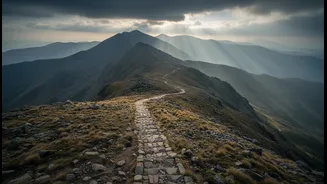
Pilgrims can choose between two distinct routes to the holy cave: the traditional Pahalgam route or the shorter Baltal route. The Pahalgam route is longer, spanning about 46-48 kilometres, and typically takes 3 to 5 days to complete. It is known for its scenic beauty and gradual ascent, making it better for acclimatisation and often recommended for first-timers, families, and senior citizens. The Baltal route is much shorter, around 14 kilometres one way, and can be completed in 1-2 days. However, it is significantly steeper and more physically demanding, better suited for those with high fitness levels or time constraints. Your choice of route will be printed on your Yatra Permit and cannot be changed once the journey begins.
Packing for the Altitude
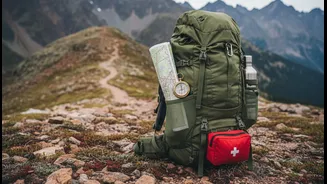
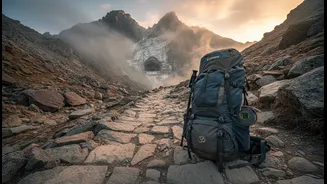
Packing correctly is essential for a safe and comfortable Yatra, as weather in the Himalayas is unpredictable. Layering your clothing is the most effective strategy. Your packing list must include thermal innerwear, warm fleece jackets, and a waterproof and windproof outer jacket. Waterproof trekking shoes with good grip are non-negotiable; ensure they are well broken-in before you start. Other essentials include woollen socks, warm gloves, a woollen cap or balaclava, and sunglasses for UV protection. Carry a small first-aid kit with personal medications, painkillers, and remedies for altitude sickness. High-energy snacks like chocolates and dry fruits, along with a reusable water bottle, will help you maintain energy and hydration.
The Journey and Accommodation
The pilgrimage officially starts from the base camps at Pahalgam or Baltal. Along both routes, the SASB and charitable organisations set up tented camps for overnight stays at key points like Sheshnag and Panchtarni. These camps provide basic lodging with sleeping bags and mats, along with community kitchens (langars) that serve free food. While pre-fabricated huts are available, they are limited and must be coordinated directly with private contractors. For those seeking more comfort, helicopter services are available from both Baltal and Pahalgam to Panchtarni, which is 6 kilometres from the cave. From there, the final distance must be covered on foot or by pony.
Health, Safety, and Final Advisories
Your health and safety are paramount. The biggest risk is Acute Mountain Sickness (AMS) due to the high altitude. Acclimatise properly by ascending slowly and taking rest days. Stay well-hydrated, avoid alcohol, and do not over-exert yourself. Medical aid posts are available every few kilometres along the routes. According to the latest advisories from the Jammu and Kashmir administration, pilgrims must strictly follow their registered travel date and not arrive early. Unregistered individuals are urged not to proceed towards the Yatra route. Always travel in a group, keep your ID and Yatra Permit with you at all times, and cooperate with security personnel to ensure a safe darshan.