




Why Banana Peels Help Plants
The idea that a banana peel is a miracle food for plants is a bit of an overstatement, but it’s rooted in solid science. Banana peels are incredibly rich in potassium, a crucial macronutrient for plants. Potassium helps regulate a plant's water intake,
strengthens its resistance to disease, and, most importantly for flowering plants, encourages the development of buds and blooms. Think of it as the nutrient that helps your plant transition from just growing leaves to producing beautiful flowers. Besides potassium, peels also contain smaller amounts of phosphorus (essential for root and flower development), magnesium (vital for photosynthesis), and calcium (which helps build strong cell walls). While they aren't a 'complete' fertiliser because they lack significant nitrogen (needed for leafy growth), they provide a fantastic, targeted boost for flowering and fruiting.
Method 1: The Simple 'Banana Tea'
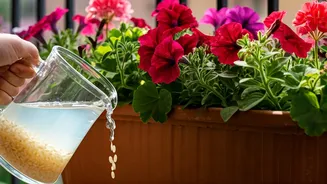
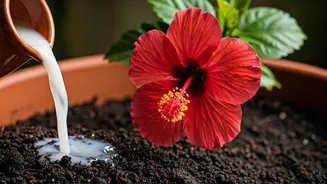
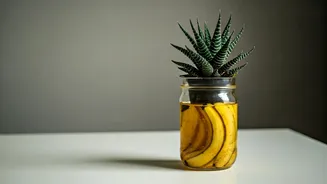
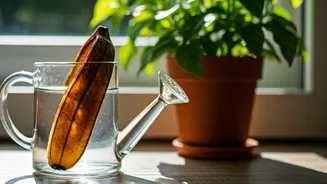
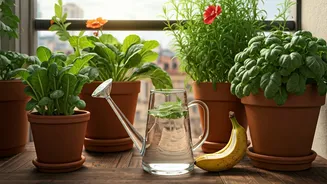
This is the easiest and most popular way to use banana peels for your indoor plants. It’s perfect for beginners and requires no special equipment. The resulting 'tea' provides a gentle, water-soluble dose of nutrients that plants can absorb quickly. **How to do it:** 1. Take a fresh banana peel (or two) and place it in a large jar or jug. 2. Fill the jar with water, making sure the peel is fully submerged. A litre of water per peel is a good ratio. 3. Seal the jar and let it sit for two to three days. The water will turn a slightly brownish colour as the nutrients leach from the peel. 4. After steeping, remove the peel (you can compost it) and dilute the 'tea' with an equal amount of fresh water to avoid overwhelming your plants. 5. Use this solution to water your flowering plants as you normally would, about once every two weeks during the growing season.
Method 2: The Chop-and-Bury Technique
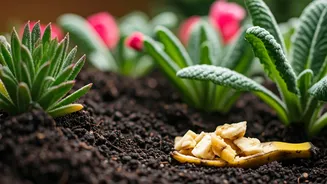
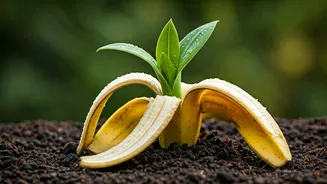
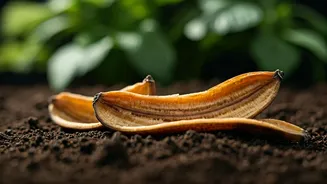
If you prefer a 'set it and forget it' approach, directly incorporating the peel into the soil works well. This method acts as a slow-release fertiliser, breaking down over several weeks to feed the plant's roots gradually. **How to do it:** 1. Take a fresh banana peel and chop it into small, one-inch pieces. The smaller the pieces, the faster they will decompose. 2. When potting or repotting a plant, you can mix these pieces directly into the bottom half of the potting soil. 3. For an existing plant, carefully dig a shallow trench around the base of the plant, about two inches away from the stem to avoid damaging the main roots. 4. Bury the peel pieces an inch or two deep in the soil and cover them up. This is crucial to prevent attracting fruit flies or fungus gnats. Water the plant as usual. The microbes in the soil will get to work breaking down the peels and releasing their nutrients.
Method 3: The Dried Peel Powder
For a more potent, storable fertiliser, drying and grinding the peels is the way to go. This method concentrates the nutrients and creates a powder you can store and use as needed, without the mess or smell of decomposing peels. **How to do it:** 1. Collect banana peels and let them dry out completely. You can do this by leaving them on a tray in a sunny, dry spot for a few days. 2. To speed things up, you can bake them in an oven on the lowest setting until they are brittle and dark. They should snap easily when you try to bend them. 3. Once the peels are completely dry and cooled, break them into smaller pieces and grind them into a fine powder using a coffee grinder, blender, or even a mortar and pestle. 4. Store the powder in an airtight container. To use, simply sprinkle a teaspoon or two onto the topsoil around your plant and water it in. Apply once a month for a steady nutrient boost.
A Few Important Caveats
While banana peels are beneficial, they are not a one-stop solution. Remember, they are low in nitrogen, so your leafy green plants will still need a more balanced fertiliser. Secondly, using fresh, unburied peels can be an open invitation for pests like fungus gnats and fruit flies. Always ensure you either steep them in water or bury the pieces well beneath the soil surface. Finally, avoid using too much too soon. Like any fertiliser, overdoing it can harm your plants. Start with a small amount and observe how your plant responds before making it a regular part of your routine.