




Mapping Your Tiger Territory
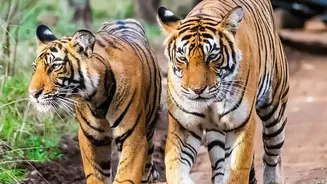
Central India, often called the 'Tiger State', is home to several premier national parks. The key to a budget rail trip is focusing on a cluster of parks that are well-connected. The classic circuit includes Kanha, Bandhavgarh, and Pench National Parks.
Jabalpur serves as a fantastic railway hub for both Kanha and Bandhavgarh. For Pench, Nagpur and Jabalpur are the major rail gateways. Another excellent option is Tadoba Andhari Tiger Reserve in Maharashtra, best reached via Chandrapur or Nagpur stations. By focusing on this region, you can create a logical route that minimizes travel time and maximizes your wildlife experience without breaking the bank.
Mastering the Art of Rail Booking
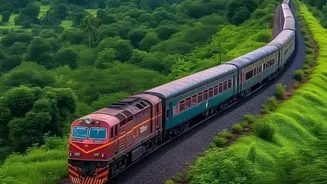
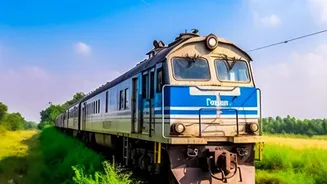
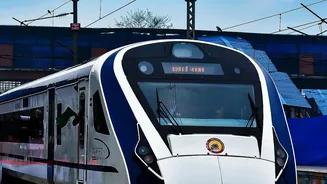
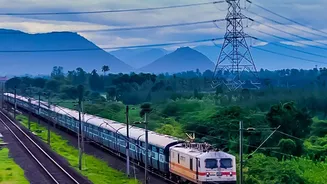
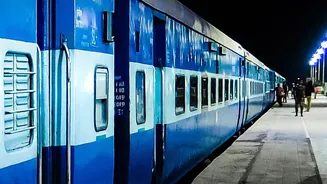
The Indian Railways network is your best friend for this budget adventure. The official IRCTC website and app are the primary platforms for booking. To keep costs low, opt for Sleeper Class (SL) or 3-Tier AC (3A) for overnight journeys. These classes are economical and allow you to save on a night's accommodation. For instance, you can take an overnight train from a major city like Delhi or Mumbai to Jabalpur or Nagpur. Always book your train tickets well in advance—ideally 60 to 120 days before your travel date—as popular routes fill up extremely fast. Planning ahead is non-negotiable for securing confirmed seats at the best prices.
The Jabalpur-Nagpur Circuit Strategy
A highly effective and affordable circuit involves using Jabalpur and Nagpur as your anchor points. You can start by taking a train to Jabalpur. From there, Bandhavgarh National Park is the closest, with Umaria (32 km away) being the nearest station. Alternatively, you can hire a local taxi or use bus services from Jabalpur (170 km). After exploring Bandhavgarh, you can travel by road to Kanha National Park (approx. 5-6 hours). Kanha's nearest major railheads are Jabalpur (160 km) and Gondia (145 km). After Kanha, you can proceed to Pench National Park, which is easily accessible from Nagpur (around 90-100 km). Finally, from Nagpur, a major railway hub, you can catch a train to your next destination or back home.
Affordable Stays Beyond Fancy Lodges
Accommodation is often the biggest expense after safaris. While luxury lodges dot the periphery of these parks, numerous budget-friendly options exist. Look for state-run forest rest houses, which offer basic but clean facilities at very reasonable prices. These often need to be booked in advance through the respective state's forest department website. Additionally, small towns near the park entrances, like Tala for Bandhavgarh or Moharli for Tadoba, have a range of budget guesthouses, homestays, and economy hotels. These places provide an authentic local experience and are significantly cheaper than the all-inclusive resorts.
Smart Safari Booking for Maximum Savings
Jungle safaris are the main event, and their costs can add up. The most economical way to experience them is by booking a shared jeep (also known as a Gypsy) or a canter (an open-air bus). Most parks allow you to book permits online through their official websites, which is highly recommended to avoid disappointment. Booking permits well in advance is crucial, as the number of vehicles allowed in each zone is limited. When you book a seat in a shared jeep, you split the cost of the vehicle and the guide with other travellers, making it significantly cheaper than hiring a private jeep. This is a great option for solo travellers and small groups.
Best Time to Visit and Other Tips
The best time to visit these parks for wildlife sightings is from October to June. The parks remain closed during the monsoon season (typically July to September). While the winter months (November to February) are pleasant, the summer months (April to June) often yield the best tiger sightings as animals congregate near waterholes. When travelling from the railway station to your accommodation near the park, you can often find shared taxis or local buses, which are much cheaper than private cabs. Pack light, carry essentials like a hat, sunscreen, and binoculars, and always have some cash on hand for small expenses.