



The New Digital Paintbrush
Once the domain of designers and artists, creating compelling custom visuals is now accessible to anyone with an internet connection. Students across India are turning to AI image generators like Midjourney, DALL-E, and Adobe Firefly to populate their
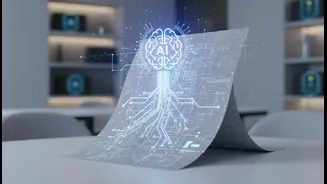
PowerPoint slides and project reports. These tools operate on a simple premise: a user types a descriptive text prompt, and the AI generates a unique image based on that description. The result is a move away from generic stock photos to highly specific, often stunningly detailed graphics that can illustrate complex ideas, from historical events to abstract scientific concepts. This allows students to create mockups for business pitches or visualise data in new ways, breaking down previous barriers to creative expression.
From Drab to Dynamic
For students without a background in design, the benefits are immediate and obvious. What used to take hours of frustrating work can now be accomplished in minutes, leading to more professional and engaging presentations. One study noted a significant rise in students using generative AI for their presentations, with usage jumping from 18% to 43% over two years. Proponents argue this democratises design, allowing students to focus on the content and narrative of their work rather than getting bogged down by their limited artistic skills. AI tools can help students brainstorm ideas, structure their presentations, and even get feedback on their delivery, freeing up mental energy for higher-order thinking. It empowers them to produce polished, visually coherent work that was previously unattainable for most.
A Question of Authenticity
However, this new capability comes with a host of complex questions. Educators express near-universal concern that an over-reliance on AI undermines critical thinking and originality. If a student didn't create the image themselves, does it truly represent their understanding? The conversation is shifting to the skill of 'prompt engineering'—crafting the right text to get the desired output—but many faculty worry this is a poor substitute for developing fundamental creative skills. Furthermore, the ease of generation raises academic integrity concerns. A large-scale study found that increased AI use correlates with a higher likelihood of using it to cheat. This has led universities to grapple with how to define and penalise this new form of potential misconduct.
The Educator's Dilemma
Institutions in India and abroad are racing to adapt. The University Grants Commission (UGC) has issued revised guidelines that treat unacknowledged AI use as plagiarism, with strict penalties for PhD theses that exceed certain thresholds of AI-generated content. Similarly, universities like National Law University Delhi have established policies mandating that AI-generated visuals must be clearly labeled and disclosed. Some institutions, like IMT Nagpur, are framing AI as a 'learning partner' to be used for brainstorming and summarising, but not as a replacement for original thought. The challenge for educators is to redesign assignments in ways that AI cannot easily solve—focusing on in-class discussions, oral defences, and project-based evaluations that require genuine student understanding.
The Future of Academic Creativity
The integration of AI graphics into student work marks a fundamental shift. While some faculty view it negatively, many see an opportunity to prepare students for a future where AI is a standard workplace tool. The key, experts suggest, is teaching students not just how to use AI, but how to question it. This involves fostering AI literacy, including an understanding of the technology's biases, limitations, and ethical implications. The goal is to move beyond simply generating content to using AI as a tool that enhances, rather than replaces, human intellect and creativity. Students may be guided to use AI to challenge their own ideas or clarify complex points, but always leading with their own voice and critical judgment.