


A Tipping Point for Alternative Fuels
The numbers from August 2026 are striking. According to data from the Federation of Automobile Dealers Associations (FADA), vehicles powered by CNG, hybrid technology, and electricity collectively captured a 41.95% market share. This pushed them slightly
ahead of petrol cars, which stood at 40.85% of retail sales. Just a year prior, in August 2025, petrol cars had a commanding 11-percentage-point lead. This rapid reversal shows that a combination of factors has finally convinced a significant portion of Indian car buyers to ditch traditional fuel options. The shift is so profound that overall passenger vehicle sales hit a record high for August, driven by strong demand from both urban and rural markets.
The Soaring Cost of Petrol and Diesel
Perhaps the single biggest driver behind this trend is the relentless rise in petrol and diesel prices. For the average Indian household, the total cost of owning and running a car has become a primary concern. Alternative fuels offer a compelling economic advantage. CNG, in particular, has emerged as a budget-friendly hero for many. It accounted for a massive 25.28% of all passenger vehicle sales in August, making it the largest contributor within the alternative fuel basket. Drivers who cover long distances daily are finding that the lower running cost of a CNG vehicle quickly offsets its slightly higher initial purchase price. This pure and simple running-cost economic calculation is pushing more buyers toward alternatives than ever before.
A Wider Menu of Choices
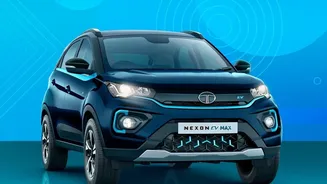
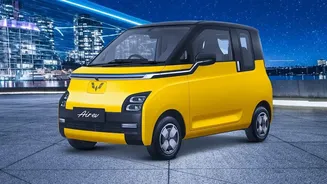
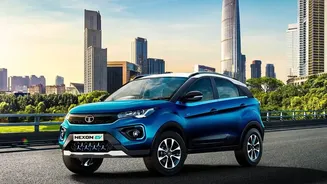
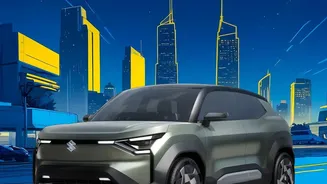
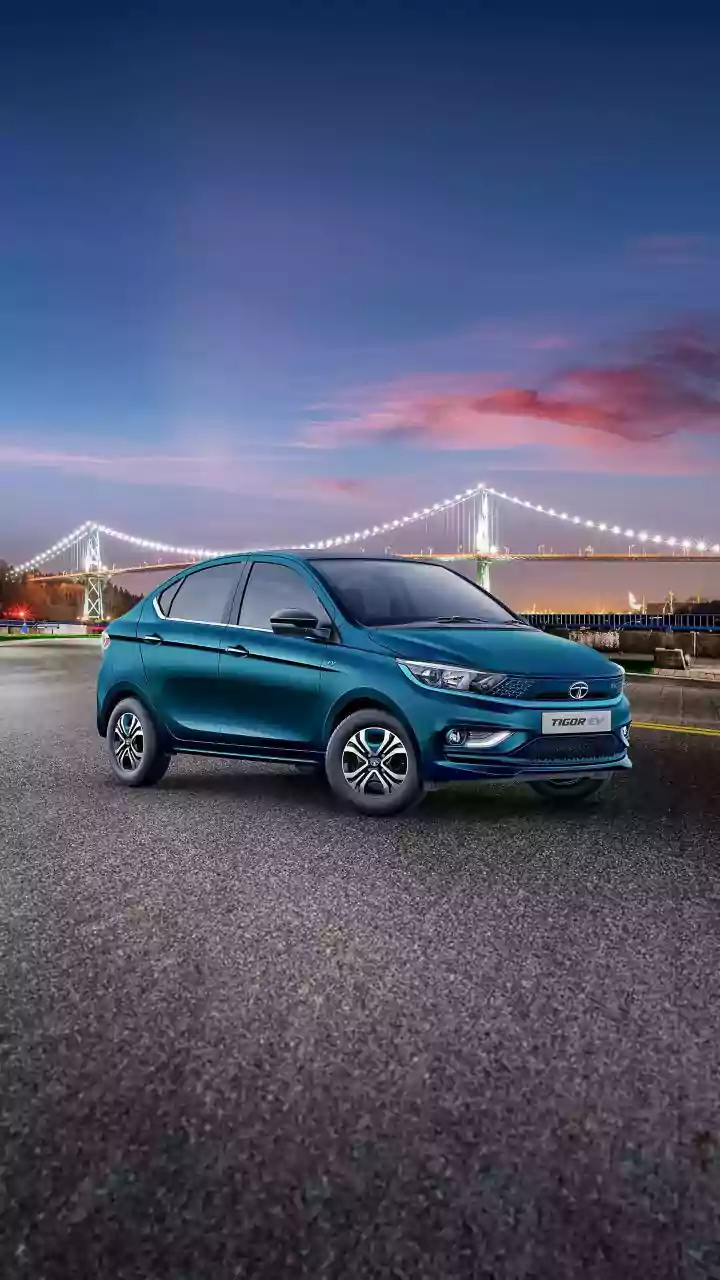
For years, buyers interested in green vehicles had limited options. Today, the story is completely different. Major automakers like Maruti Suzuki, Tata Motors, Hyundai, and Mahindra have aggressively expanded their portfolios. Maruti Suzuki, India's largest carmaker, has gone all-in on CNG and is now rolling out strong hybrids. Tata Motors has established a dominant position in the EV space, with its share recovering to around 43% in August. This flood of new models means that buyers can now find CNG, hybrid, or electric variants in almost every popular segment, from compact hatchbacks to large SUVs. This increased availability normalises the technology and gives consumers the confidence to choose a non-petrol vehicle that fits their specific needs and budget.
Government Push and Shifting Perceptions
Government policies have played a crucial role in creating a favorable ecosystem. Programs like FAME (Faster Adoption and Manufacturing of Electric Vehicles) have provided subsidies that make EVs more affordable. Beyond direct financial incentives, there's a growing sense of consumer unease around the government-mandated transition to E20 petrol (petrol blended with 20% ethanol). While intended to be better for the environment, some buyers are hesitant, and this uncertainty appears to be nudging them toward the established benefits of CNG or the modern appeal of hybrids and EVs. Concurrently, anxieties about EV range and charging are slowly diminishing as infrastructure improves and battery technology gets better, making electric cars a more practical option for daily use.