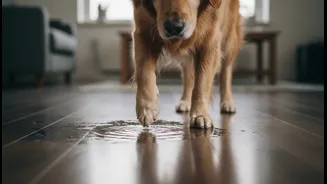










Why Travel Changes for Senior Pets
As pets age, their bodies undergo natural changes that can make travel more challenging. Mobility often decreases due to conditions like arthritis or joint stiffness, making activities like climbing stairs or jumping into a car more difficult and sometimes
painful. It's estimated that about 20% of dogs over the age of seven suffer from osteoarthritis. Hearing or vision loss can increase anxiety in unfamiliar environments, and older pets are generally more sensitive to stress and changes in routine. They may tire more easily and are more susceptible to temperature extremes. These age-related shifts don't mean your travel adventures have to end; they simply require a more considered and compassionate approach to planning.
The Ground-Floor Advantage: Easy Access and Safety
Opting for a ground-floor hotel room is one of the most effective ways to accommodate a senior pet's needs. The primary benefit is the elimination of stairs, which can be a significant hurdle for an animal with stiff joints or mobility issues. A room with easy access to an exterior exit simplifies frequent potty breaks, which are often necessary for older pets who may have less bladder control. This minimises the stress of navigating long hallways, waiting for elevators, or rushing a pet who can't hold it. Furthermore, ground-floor rooms reduce the risk of falls from balconies, providing a more secure and contained space for your companion to relax without constant worry.
Creating a Familiar Sanctuary
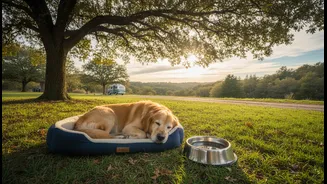
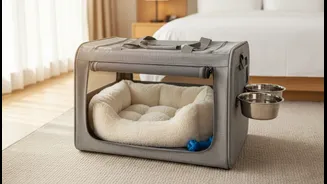
Once you're in the room, the goal is to create a safe and comfortable haven. Before letting your pet roam, do a quick sweep for potential hazards like accessible cleaning supplies or small items they might ingest. Set up their space with familiar items from home, such as their own orthopedic bed, blankets, and favorite toys. These scents and objects provide a sense of security in a new environment. Using non-slip mats or rugs on slick tile or wood floors can help prevent slips and falls, giving your pet more confidence as they move around the room. Establishing this safe zone helps your pet settle in faster and reduces travel-related anxiety.
How to Secure the Right Room
Don't leave your room assignment to chance. When booking your accommodation, call the hotel directly to confirm their pet policies and make a specific request for a ground-floor room near an exit. Explain that you are travelling with an older pet with mobility considerations. Most hotel staff are accommodating when they understand the reason for the request. It's also wise to check for other pet-friendly amenities they might offer. Confirming these details in advance ensures there are no surprises upon arrival and sets the stage for a smoother, more enjoyable trip for both you and your pet.
More Tips for Travelling with a Golden-Aged Pet
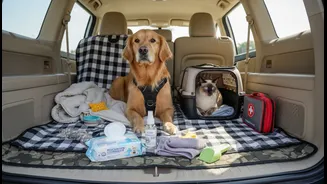
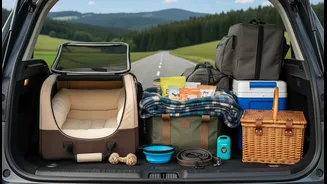
Beyond the room, a few other adjustments can make a world of difference. Schedule a pre-travel veterinary check-up to ensure your pet is fit for the journey and to get any necessary health certificates or medications. Pack a dedicated bag with their food, water, bowls, medications, supplements, and a pet first-aid kit. During road trips, plan for frequent breaks every two to three hours to allow your pet to stretch, hydrate, and relieve themselves. Never leave them unattended in a parked car, as temperatures can become dangerous quickly. Maintaining their regular feeding and medication schedule as much as possible will also help minimise stress.