






Embrace the Monsoon's Bounty
As the mango season fades, a new lineup of delicious and nutrient-dense fruits arrives. Nature provides exactly what our bodies need to combat the low energy and higher risk of infection common during the rainy season. Look for jamun (Indian blackberry),
peaches (aadu), plums (aloo bukhara), pears (nashpati), cherries, and pomegranates (anar). These fruits are packed with Vitamin C, antioxidants, and fibre, which are crucial for strengthening immunity and supporting digestion when it tends to be more sluggish. Jamun, for instance, is rich in iron and Vitamin C, helping to fight fatigue. Pears are loaded with fibre, which aids digestion, while pomegranates are antioxidant powerhouses.
The Art of Smart Selection
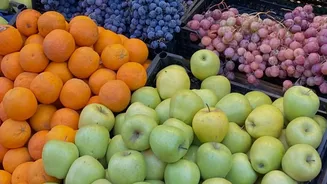
The golden rule of monsoon fruit shopping is to buy fresh and buy often. High humidity accelerates spoilage, so it's better to purchase smaller quantities that you can consume within three to four days rather than stocking up for the week. When selecting fruits, look for those that are firm, brightly coloured, and free from any bruises, soft spots, or visible mould. Gently press the fruit to check for firmness. An overly soft texture can be a sign of decay. Trust your sense of smell, too; fresh, ripe fruit should have a pleasant, sweet aroma. Avoid anything that smells sour or fermented.
Why You Should Skip Pre-Cut Fruits
While convenient, pre-cut fruits sold by street vendors are a significant health risk during the monsoon. The increased moisture in the air provides a perfect breeding ground for bacteria and fungi. Cut fruits are exposed to airborne contaminants and are often handled in less-than-hygienic conditions, increasing the risk of waterborne diseases. Even fruit juices made from pre-cut produce can be risky. Always opt for whole fruits that you can wash and cut yourself just before eating. This simple step drastically reduces your exposure to harmful germs.
Mastering the Wash and Store Routine
Properly washing your fruits is non-negotiable during the monsoon. Rainwater and muddy conditions can leave behind dirt and harmful microorganisms. Rinse all fruits thoroughly under clean, running water. For produce with edible peels like jamun, plums, and pears, you can add a small amount of salt or vinegar to a bowl of water and let them soak for about 15 minutes before rinsing again. This helps remove more residue. It's best to wash fruits just before you plan to eat them, as storing wet produce can encourage mould growth. After washing, pat them completely dry with a clean cloth and store them in the refrigerator to prolong freshness.
Fruits to Approach with Caution
While most monsoon fruits are beneficial, some are best consumed in moderation or avoided. Watermelons and muskmelons, for example, have high water content and can spoil very quickly in the humid climate, sometimes absorbing excess water from the soil that may be contaminated. It's also wise to be cautious with late-season mangoes, which may have been artificially ripened. The general advice is to stick to what is clearly and abundantly in season. This ensures you're getting the freshest produce at its nutritional peak, and often at a better price.