







From Steady Showers to Intense Bursts
For centuries, India's forests have evolved with the predictable cadence of the monsoon: months of steady, soaking rains that replenish the soil and groundwater. This pattern is becoming a relic. Climate scientists now observe a significant transformation
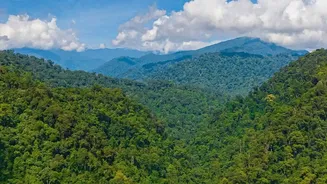
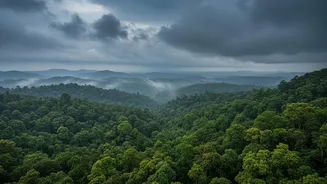
where the monsoon dumps its rain in shorter, more violent spells, punctuated by unnervingly long dry periods. Instead of a consistent, gentle watering, forests are now subjected to the hydrological shock of flash floods followed by drought-like conditions, even within the same season. This erratic behaviour disrupts the delicate balance that has allowed diverse forest ecosystems, from the Western Ghats to the Himalayas, to thrive.
Why the New Rain Is Bad for Trees
Intense downpours do not necessarily equate to well-watered forests. When rain falls too hard and too fast, it hammers the topsoil, washing it away along with essential nutrients that trees need to survive. This soil erosion is a critical problem, preventing water from percolating deep into the ground to recharge aquifers and nourish root systems. The water simply runs off the surface, causing floods downstream while leaving the forest floor thirsty. Furthermore, the extended dry spells between these extreme events put immense stress on trees. Dry deciduous forests, which are naturally adapted to a dry season, are finding these periods are getting longer and harsher, making them more vulnerable to forest fires and degradation.
The Most Vulnerable Forests
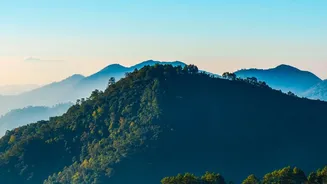
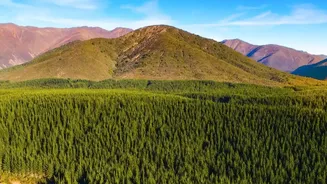
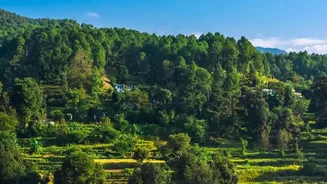
While all forests are affected, some are more at risk than others. Studies indicate that central India's tropical deciduous forests are particularly vulnerable. One analysis showed that dry teak forests in the Panchmarhi Biosphere Reserve saw a significant loss in canopy cover due to these shifting climate patterns. The Western Ghats and the forests of Northeast India, both biodiversity hotspots, are also showing signs of stress. In the Himalayas, unpredictable rainfall and declining snowfall are impacting the regeneration of iconic oak forests and allowing hardier species like pine to encroach on their territory. Even an apparent 'greening' in some areas can be deceptive, as it doesn't always translate to a healthy, resilient forest capable of sequestering carbon effectively.
A Cascade of Consequences
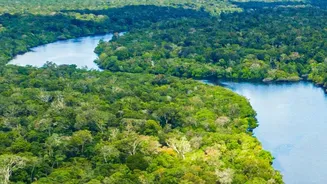
The impact of changing rainfall patterns extends far beyond the trees themselves. Forests are complex ecosystems, and their degradation triggers a domino effect. When vegetation changes, the wildlife that depends on specific plants for food and shelter is threatened, leading to biodiversity loss. Forest-dependent communities, who rely on a healthy ecosystem for their livelihoods, face an uncertain future. Moreover, forests play a crucial role in regulating water cycles. Their ability to act like sponges, soaking up monsoon rains and releasing water slowly, is compromised. This not only affects water availability for millions but can ironically influence rainfall patterns in other regions, creating a dangerous feedback loop.
Adapting to a New Reality
The challenge is immense, but not insurmountable. The key lies in building resilience. Scientific research points towards the importance of biodiversity; a forest with a wide variety of native species is more likely to have some that can withstand the new climate stresses. This makes conservation of existing, intact forests a top priority. For areas already degrading, adaptation strategies must be put in place. This could involve promoting afforestation with drought-resistant native species, implementing better soil and water conservation techniques to prevent runoff, and improving our monsoon forecasting systems to better prepare for extreme events. Protecting these vital ecosystems requires a deep understanding that the character of our rainfall has fundamentally changed.