





The Appeal of Natural Fibres
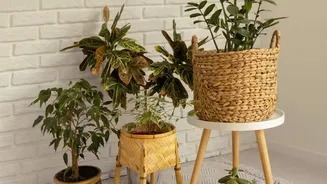
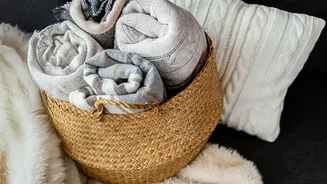
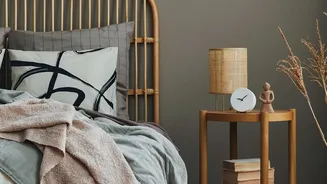
Jute and cane have become incredibly popular for good reason. They bring an organic, earthy feel to any room, fitting seamlessly into styles from bohemian and coastal to modern farmhouse. Jute, often called the 'golden fibre', is a renewable plant-based
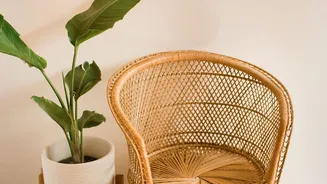
material known for its chunky, textural weave in rugs and baskets. Cane, which is the outer bark of the rattan plant, is prized for its lightweight strength and flexibility, making it perfect for the intricate woven patterns seen on chairs and cabinet doors. Both are celebrated as sustainable choices, but the latest trend asks a deeper question: is your decor just biodegradable, or is it built to last?
Beyond Buying: The Rise of Repairability
The most sustainable product is often the one you don't have to replace. The concept of repairability is an extension of the 'right to repair' movement, applied to home goods. It’s about consciously choosing items that can be mended, extending their lifespan and reducing waste and consumption. For jute and cane, this means moving past their natural appeal and assessing their construction. A well-made, repairable piece can serve you for decades, whereas a poorly constructed one might be destined for landfill after a few years, negating its 'eco-friendly' material advantage. Thinking about repairability at the point of purchase is a powerful shift towards a more circular approach in our homes.
How to Shop for Repairable Jute
When inspecting a jute rug or basket, quality is key to future repairability. Look for a tight, dense, and even weave. Loosely woven rugs are more prone to snagging, and the gaps can be difficult to stitch back together neatly. Feel the weight of the rug; a heavier rug often indicates a denser weave and thicker, more durable fibres. Check the edges. A quality jute rug will have strong, reinforced binding, often stitched on, which is much easier to repair or replace than a raw, fraying edge. While jute naturally has a rustic texture, higher-quality versions will feel surprisingly soft and not overly brittle. A brittle feel can suggest the fibres are old or dry and more likely to break than bend.
Assessing Cane Furniture Before You Buy
For cane furniture, the focus is on the integrity of the strands and the frame. Examine the woven panels closely. The cane should be smooth, without splinters or cracks. Dry, brittle cane is a red flag, as it will snap easily under pressure. Also, check for consistency in colour, as significant discolouration can indicate sun damage. Gently press on the caned surface; it should feel taut. While some sagging can be fixed, it's best to start with a firm surface. Pay close attention to the joints and edges where the cane is secured to the wood frame. The wrappings should be tight and intact. A solid underlying wood frame is crucial for the furniture's longevity, as the cane panels can often be replaced if the structure is sound.
Simple Fixes: A Stitch in Time for Jute
Repairing jute is less intimidating than it sounds. For frayed edges, the most common issue, you can trim the loose fibres and secure the edge by sewing on a piece of binding tape. For braids that have started to separate in the middle of a rug, you can use a curved upholstery needle and heavy-duty thread to stitch them back together from the underside, keeping the repair invisible. Small holes can be patched from underneath with a piece of jute fabric and fabric glue. The key is to address these small issues as soon as they appear to prevent them from becoming larger problems.
Basic Care and Repair for Cane
Cane's biggest enemy is dryness, which makes it brittle. To maintain its flexibility, you can occasionally wipe it down with a damp cloth. If a seat starts to sag, you can often tighten it by turning the chair upside down, placing a warm, damp towel on the underside of the cane, and letting it dry slowly. For a broken strand, you can carefully cut out the damaged piece and weave in a new, pre-soaked strand, securing the ends with a small amount of wood glue. Loose wrappings at the joints can often be fixed by applying a little glue and clamping them until dry. These simple maintenance tasks can dramatically extend the life of your furniture.