







The Art of Placement: Why Space Matters
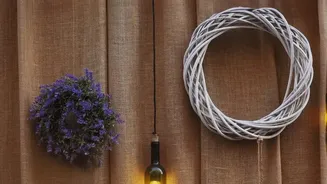
Before you even think about drills and hooks, consider the power of 'negative space'—the empty area surrounding your artwork. This visual breathing room is not just empty wall; it’s an active design element that prevents a room from feeling cluttered
and chaotic. When an oversized piece has enough space, it draws the eye, becoming a true focal point. Without this space, even the most beautiful artwork can get lost in visual noise. A cluttered wall distracts the eye, while a well-placed piece with ample room around it feels calm, intentional, and sophisticated. As a general rule, aim for artwork to span about two-thirds of the width of the furniture it hangs above, like a sofa or a console table. This ensures the scale feels balanced and professional. For a large, empty wall, the art should command the space without overwhelming it.
Finding the Sweet Spot on Your Wall
The most common mistake when hanging art is placing it too high. Art should connect to the human scale of the room, not float near the ceiling. The standard museum guideline is to hang artwork so its centre is at eye level, which is typically around 57 to 60 inches from the floor. This allows for comfortable viewing whether you are standing or sitting. When placing art above furniture like a sofa or headboard, leave a gap of about 6 to 10 inches between the bottom of the frame and the top of the furniture. This creates a visual connection, making the art and furniture feel like a single, cohesive unit. Before making any holes, use painter's tape to outline the frame on the wall. This simple step allows you to visualise the placement and make adjustments without regret.
Choosing the Right Hardware for the Weight
The single most important factor for safety is choosing hardware that can support your piece's weight. A simple nail is often not strong enough for anything heavy and can lead to damaged walls or, worse, a fallen frame. First, weigh your item. You can do this by weighing yourself on a bathroom scale, then weighing yourself again while holding the item and calculating the difference. As a rule of thumb, always choose hardware rated for at least double the actual weight of your artwork. For Indian homes, walls can be drywall, plaster, or solid brick and concrete, and each requires different hardware. For drywall, it's best to drill directly into a wooden stud behind the wall. If studs aren't located where you need them, use heavy-duty wall anchors like toggle bolts or molly bolts, which expand behind the drywall for a secure grip. For brick or concrete walls, you will need masonry anchors and a drill bit designed for stone.
A Step-by-Step Guide to Secure Mounting
Once you have the right location and hardware, it's time to hang your piece. For anything heavy, a two-point mount is always safer than a single hook, as it distributes the weight and keeps the frame level. Start by finding the studs in your wall using a stud finder. Mark their locations lightly with a pencil. Measure the distance between the hanging points (like D-rings) on the back of your frame. Transfer this measurement to the wall at your desired height, using a level to ensure your marks are perfectly horizontal. Drill pilot holes at your marked spots. If you are using wall anchors, insert them now according to the package instructions. Finally, drive your screws into the studs or anchors, leaving them out just enough to hang your frame. With the help of another person, carefully lift and hang your piece, ensuring it sits securely on the screws.
Common Mistakes to Avoid
Beyond hanging art too high, a few other common errors can undermine your efforts. One is choosing art that is too small for the wall, which can look lost and awkward. If you have a large wall but smaller pieces, consider grouping them in a gallery wall arrangement to create a larger visual mass. Another mistake is cluttering the area around a statement piece with too many other small decorations. Let your big artwork be the hero by giving it the space it deserves. Finally, never rely on adhesive strips or weak hooks for heavy items. While convenient for lightweight posters, they are not designed to fight gravity over the long term with a heavy frame, especially with changes in humidity.