


Understanding the Vrat: It's Not About Deprivation
The Janmashtami fast, or vrat, is a spiritual practice meant to cleanse the body and mind. Traditionally, it involves avoiding grains like wheat and rice, lentils, onions, garlic, and non-vegetarian foods. Depending on family customs and personal health,
devotees may observe a strict 'nirjala' fast without water, or a 'phalahar' fast, which permits fruits, dairy, and other specific foods. The goal is not to starve but to practice mindful eating and self-discipline. Many people choose the phalahar option, which allows for a balanced intake of nourishing foods throughout the day, making it a more manageable choice for those with work or family commitments.
Hydration is Your Best Friend
Fasting, especially in humid weather, can lead to dehydration, causing headaches and fatigue. While a nirjala fast excludes water, those observing a phalahar vrat should prioritise hydration. Drink plenty of water throughout the day. You can also include other hydrating, vrat-friendly fluids like coconut water, buttermilk (lassi), and fresh fruit juices without added sugar. These not only replenish fluids but also provide essential electrolytes to maintain your energy levels. Limiting tea and coffee is also a good idea, as they can be dehydrating.
Choose Your Flours and Grains Wisely
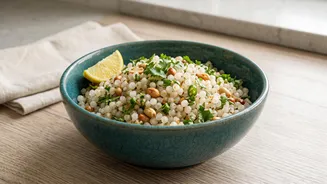
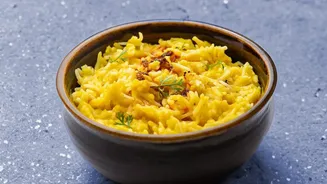
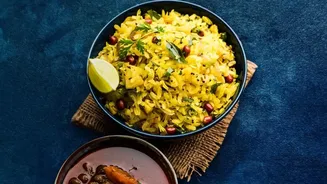
While regular grains are avoided, several 'vrat-friendly' flours and pseudo-grains provide sustained energy. These include Kuttu (buckwheat flour), Singhara (water chestnut flour), Rajgira (amaranth), and Samak (barnyard millet). These can be used to make rotis, puris, or cheelas. Samak rice and sabudana (tapioca pearls) are also excellent sources of carbohydrates for energy. When preparing dishes like Sabudana Khichdi, adding peanuts can provide a good mix of carbs and healthy fats to keep you feeling full for longer.
Power Up with Fruits, Vegetables, and Dairy
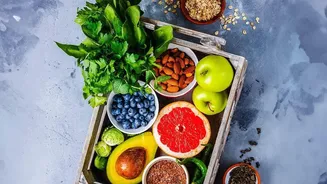
Fruits are a cornerstone of any phalahar fast, providing natural sugars for energy, along with fiber, vitamins, and minerals. Create colourful fruit bowls with bananas, apples, pomegranates, and other seasonal offerings. For vegetables, potatoes, sweet potatoes, pumpkin, and bottle gourd are commonly consumed. Dairy products like milk, paneer (cottage cheese), and curd (yoghurt) are also permitted and offer a valuable source of protein and calcium. A bowl of curd or a glass of milk can be a simple yet satiating mini-meal.
The Fried Food Trap: What to Avoid
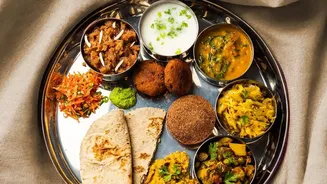
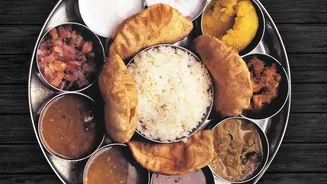
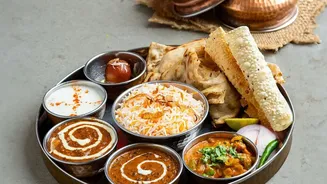
A common mistake during fasting is to replace regular meals with deep-fried vrat snacks. While Sabudana Vadas and Kuttu Puris are traditional and delicious, they are often loaded with oil and can leave you feeling sluggish and heavy. Many people find that a vrat thali can end up being more calorie-dense than a regular meal. Try to limit fried foods. Opt for roasted, steamed, or baked alternatives instead. For instance, choose a simple Sabudana Khichdi over fried vadas, or have roasted sweet potato chaat instead of fried potato snacks. Also, be mindful of excessive sugar in sweets and packaged juices, which can lead to energy crashes.
Mindful Snacking and Meal Timing
Instead of having one or two large, heavy meals, it's better to eat smaller portions at regular intervals. This helps maintain stable energy levels and prevents acidity. Keep healthy snacks handy for when hunger strikes. A handful of nuts like almonds and walnuts, or some roasted makhana (fox nuts), are excellent choices. They provide healthy fats, protein, and fibre, which promote satiety. Listening to your body is crucial; if you feel weak or dizzy, don't hesitate to have a small, nourishing snack.