






Before You Even Leave Home
Preparation is your first line of defence against weather-related travel chaos. The Indian monsoon season, from June to September, is notorious for disrupting travel, with flight delays and cancellations increasing significantly at major hubs like Mumbai,
Delhi, and Bangalore. Before you book a cab or get in your car, check the latest weather forecast from a reliable source like the India Meteorological Department (IMD). Next, confirm your flight status. Airlines such as Air India, IndiGo, and Akasa Air regularly issue travel advisories during severe weather and update their websites and apps with any delays or cancellations. Many flight tracking apps and websites can also provide real-time updates. Knowing your flight is delayed before you leave can save you a stressful, waterlogged journey. If disruptions are widespread, airlines often offer flexible rebooking options.
Give Yourself Extra Time — Lots of It
The golden rule for travelling to the airport in bad weather is to leave early. Heavy rains inevitably lead to waterlogging and traffic congestion, especially on arterial roads leading to airports. What is normally a 60-minute drive can easily become a two or three-hour ordeal. Adding a significant buffer to your travel time reduces the anxiety of being stuck in traffic while your boarding time approaches. It is better to wait at the terminal with a coffee than to be stranded in a car a few kilometres away. For monsoon travel, experts suggest adding at least a three-hour buffer to your airport commute. This accounts for slower driving speeds, potential traffic jams, and any unforeseen roadblocks.
Driving Safely in Wind and Rain
If you are driving yourself, a pre-monsoon vehicle check is essential. Ensure your tyres have adequate tread to grip wet roads and prevent hydroplaning, where a layer of water builds up between the tires and the road surface, leading to a loss of traction. Your windshield wipers must be in top condition to maintain visibility, and all your lights—headlights, taillights, and indicators—should be clean and functional. Once on the road, slow down. Speed limits are designed for ideal conditions, not downpours. Increase the following distance between you and the vehicle in front to at least double what you would normally leave, as braking distances are much longer on wet roads. Avoid using cruise control, as it can increase the risk of losing control if you hydroplane. Strong crosswinds can be particularly dangerous for high-profile vehicles, so maintain a firm grip on the steering wheel. Be extra cautious on bridges and overpasses, which can be more exposed to gusts.
Navigating the Airport Itself
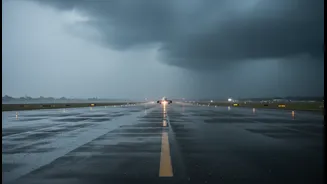
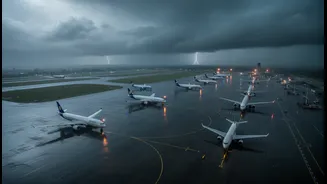
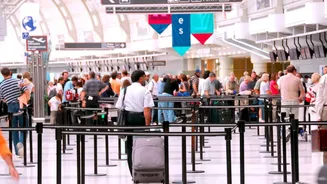
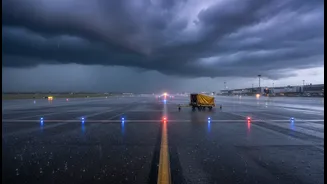
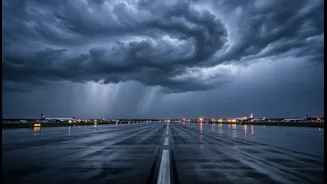
Adverse weather doesn't just affect the journey to the airport; it impacts operations on the ground. Heavy rain and low visibility can slow down baggage handling, refuelling, and aircraft movement on the tarmac. Air traffic controllers may increase the spacing between landing and departing aircraft for safety, leading to further delays. Be prepared for a potentially chaotic terminal. Pack essentials like medications, a change of clothes, and a portable charger in your cabin baggage in case of long delays or diversions. The Directorate General of Civil Aviation (DGCA) has guidelines in place for airlines during weather disruptions, which include providing meals and refreshments for significant delays. Stay calm, keep yourself updated via airline announcements, and remember that safety is the top priority for all flight crew and airport staff, who are often encouraged to prioritise it over schedule adherence.