





Why the Monsoon is a Pest Paradise
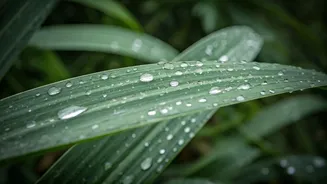
While the rains nourish our plants, they also create the ideal environment for pests to thrive. The combination of warmth, constant moisture, and high humidity encourages the rapid multiplication of common garden nuisances. Fungal diseases like powdery
mildew, root rot, and leaf spot spread easily on damp foliage with poor air circulation. Meanwhile, pests such as aphids, mealybugs, whiteflies, slugs, and snails flourish in the wet conditions, feeding on tender new growth. Without proactive measures, a thriving garden can quickly become a buffet for these opportunistic invaders.
Prevention: Your First Line of Defence
The best way to control pests is to make your garden less inviting to them in the first place. Start with good garden hygiene by regularly removing weeds, fallen leaves, and any dead or yellowing plant matter, as this debris can shelter insects and fungi. Ensure your pots and garden beds have excellent drainage to prevent waterlogging, a primary cause of root rot. When planting, give each plant enough space to ensure good air circulation, which helps leaves dry faster and reduces the risk of fungal infections. Finally, water your plants in the morning at the base, avoiding the leaves, so any excess moisture evaporates during the day.
Know Your Enemy: Common Intruders
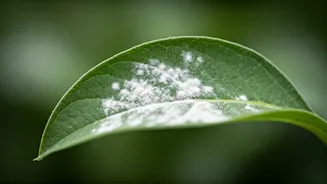
Early identification is key to effective pest management. Keep an eye out for these common culprits: - Aphids, Mealybugs, and Whiteflies: These tiny, sap-sucking insects often appear in clusters on new shoots, buds, and the undersides of leaves. They cause leaves to curl or yellow and can leave behind a sticky residue called honeydew. - Slugs and Snails: Active on overcast days and at night, these pests chew irregular holes in leaves, particularly on tender greens. You can often spot their silvery slime trails as evidence. - Caterpillars: These leaf-eaters can cause significant damage quickly, chewing through leaves and young stems. - Fungal Diseases: Watch for white, powdery patches on leaves (powdery mildew), brown or black spots (leaf spot), or wilting despite wet soil (root rot).
Your Organic Pest Control Toolkit
You don't need harsh chemicals to protect your plants. Many effective remedies can be made from simple household ingredients. A neem oil spray is a must-have for any Indian gardener; its antibacterial and antifungal properties work against a wide range of pests. Mix about 5 ml of cold-pressed neem oil and a few drops of mild liquid soap with one litre of water, and spray it on your plants weekly, especially on the undersides of leaves. For soft-bodied insects like aphids, a simple soap spray made of one tablespoon of mild liquid soap in a litre of water is very effective. A garlic and chilli spray can also act as a powerful deterrent. To make it, blend a few cloves of garlic and some green chillies with water, let it sit overnight, strain it, and spray.
The Golden Rule: Inspect Regularly
The most crucial habit for a healthy monsoon garden is regular inspection. Set aside time at least twice a week to carefully check your plants. Look under leaves, around stems, and at the soil surface for any early signs of pest activity or disease. Catching an infestation early means you can deal with it using simple, targeted methods before it spreads to the rest of your garden. Early detection allows you to simply pick pests off by hand or prune an affected leaf, which is often enough to stop a problem in its tracks. This vigilance is the difference between a minor nuisance and a major battle.