


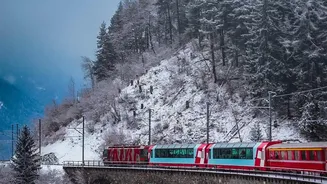
Kalka to Shimla
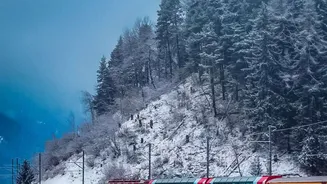
A journey on the Himalayan Queen to Shimla is like travelling back in time. This UNESCO World Heritage toy train navigates a narrow-gauge track through the Shivalik Hills, crossing over 800 bridges and passing through 102 tunnels. During the monsoon,
the experience is elevated to something truly magical. The rain-washed pine and deodar forests appear greener, misty clouds hang low in the valleys, and temporary waterfalls spring to life along the tracks. The train's slow pace is a blessing, allowing you to soak in the serene, moody atmosphere of the mountains as you climb towards the former summer capital of British India. However, travellers should be mindful that heavy rains can sometimes lead to delays or service suspensions on this route.
Mumbai to Goa
Often hailed as India's most cinematic monsoon rail route, the journey along the Konkan Railway is a feast for the eyes. The Mandovi Express, for instance, slices through the heart of the Western Ghats, a region that comes alive with ferocious intensity during the rains. The route is an engineering marvel, featuring 92 tunnels and over 2,000 bridges. From your window, you're treated to a relentless parade of nature's drama: dense, dripping forests, valleys blanketed in fog, and countless waterfalls cascading down cliffs, sometimes appearing just metres from the tracks. The landscape is a vibrant tapestry of paddy fields and swollen rivers, making this 10-to-12-hour journey an essential monsoon experience for any travel enthusiast.
Mettupalayam to Ooty
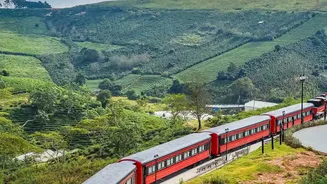
The Nilgiri Mountain Railway, another UNESCO World Heritage icon, offers a charming and nostalgic ride into the 'Blue Mountains'. Known fondly as the 'toy train', its journey from Mettupalayam at the foothills to the hill station of Ooty is one of India's steepest railway lines, using a unique rack and pinion system to climb the sharp gradients. During the monsoon, the five-hour trip is a slow, rhythmic chug through landscapes transformed into a lush, green paradise. The train passes through dense forests, over colonial-era bridges, and alongside verdant tea plantations often shrouded in mist, creating an atmosphere of romantic tranquility. While services generally operate during the monsoon, it's wise to check for potential delays due to heavy rain.
New Jalpaiguri to Darjeeling
The Darjeeling Himalayan Railway provides spectacular views of the Eastern Himalayas, which become particularly picturesque during the monsoon. This heritage 'toy train' ascends from the plains, winding through vibrant tea gardens that look freshly painted in the rain. Low-hanging clouds often drift right into the carriages, creating a mystical and immersive atmosphere. While the full line from New Jalpaiguri can be prone to disruptions from landslides during heavy rains, the shorter 'Joy Ride' services around Darjeeling and Ghum often continue to operate, offering a reliable taste of this magical journey.
Mandapam to Rameswaram
Not all monsoon beauty is about green hills. The journey to Rameswaram island offers a different kind of thrill: crossing the sea. The Pamban Bridge, India's first sea bridge, provides the sole rail link to the island. During the monsoon, this short but dramatic ride becomes an unforgettable experience. With the train moving slowly over the Palk Strait, passengers witness the raw power of the ocean as churning, grey waves crash against the bridge's pillars. The feeling of travelling over the open sea amidst the wind and rain is a unique and exhilarating spectacle, quite unlike any other rail journey in the country. However, strong winds can sometimes lead to service disruptions for safety reasons.
Visakhapatnam to Araku Valley
A hidden gem in Andhra Pradesh's Eastern Ghats, the railway line from Visakhapatnam to the Araku Valley is one of India's most underrated scenic routes. The train climbs to an altitude of 900 metres, navigating through 58 tunnels and over 84 bridges. In the monsoon, the journey is transformed as the ghats turn a brilliant, intense shade of green. Waterfalls are a common sight, often appearing at tunnel exits, and the entire valley is enveloped in a cool mist. The route also passes through tribal forests and past the famous Borra Caves, adding a layer of cultural and geological interest to the stunning natural beauty.
Jaipur to Jaisalmer
A train journey through Rajasthan might evoke images of arid desert, but the monsoon tells a different story. The route from Jaipur towards Jaisalmer, particularly the stretch through the refreshed Aravalli region, offers a surprisingly green landscape. While not as dramatic as the ghats, the transformation of the desert terrain is subtly beautiful. The thirsty ground soaks up the rain, giving rise to fresh meadows and a softer, greener hue across the countryside. It provides a unique opportunity to see the iconic landscapes of Rajasthan in a completely different light, trading the stark, sun-baked palette for a more pastoral and gentle scenery.