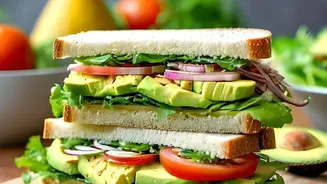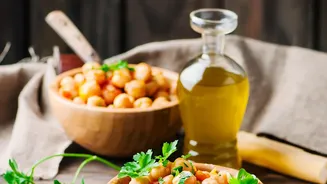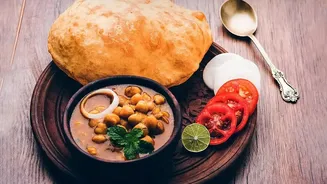

The humble chickpea sandwich holds so much promise, yet often ends in a mushy, monotonous disappointment. But it doesn’t have to be that way. The secret to a truly memorable chickpea salad sandwich lies not in a complicated recipe, but in texture.
The Foundation: Master the Mash
The
textural journey begins with the chickpeas themselves. The biggest mistake is over-processing them into a uniform paste, which creates that dreaded mushy base. Instead of blitzing them in a food processor, use a fork or a potato masher. The goal is to create a blend of textures within the chickpeas themselves. Mash about three-quarters of the beans until they start to break down and become creamy, but leave the remaining quarter either whole or roughly broken. This simple step ensures you get a creamy foundation that binds the sandwich together while also providing a satisfying, toothsome bite from the chunkier pieces. Always remember to drain and rinse canned chickpeas well to remove excess liquid, which can lead to a watery filling.
The Crunch Factor: Layer in Contrast
A great chickpea sandwich is a symphony of textures, and the most important counterpoint to the creamy mash is crunch. This is where you can get creative. Finely diced celery and red onion are classic additions for a reason; they provide a fresh, sharp crunch that cuts through the richness. But don't stop there. For a different kind of crispiness, consider adding chopped nuts like toasted walnuts, pecans, or roasted cashews. Toasted sunflower or pumpkin seeds are also excellent for adding a smaller, more distributed crunch throughout the salad. For a briny, tangy pop, finely chopped dill pickles or a spoonful of relish can work wonders. Even crisp radishes or chopped apples can be added for textural depth and a flavour twist.
The Binder: More Than Just Mayo
The binder's job is to bring everything together into a cohesive, scoopable salad. While mayonnaise is the traditional choice, the options are far more interesting. Using only mayo can sometimes make the filling heavy. Many modern recipes use a combination of mayonnaise and plain Greek yogurt. The yogurt adds the same creaminess but with a lighter feel and a pleasant tang. For a vegan alternative, high-quality vegan mayo is a great starting point, but you can also explore other binders. Tahini mixed with lemon juice creates a rich, nutty, and creamy dressing that pairs beautifully with chickpeas. You can also use mashed avocado, which provides creaminess and healthy fats. The key is to add the binder gradually until you reach the desired consistency, ensuring the filling is moist but not swimming in sauce.
The Accents: Freshness and Chew
Beyond creamy and crunchy, other textures can elevate your sandwich from good to great. Adding a handful of fresh, soft herbs like dill, parsley, or chives introduces a delicate freshness that brightens all the other flavours. These herbs don’t just add flavour; their soft texture provides a gentle contrast to the crunchier elements. Another layer to consider is chewiness. A small amount of dried fruit, such as chopped raisins, currants, or cranberries, can introduce little bursts of sweetness and a satisfying chew that complements the savoury components. Sun-dried tomatoes are another fantastic option for adding a savoury, chewy element with concentrated flavour.
The Vessel: Choose Your Bread Wisely
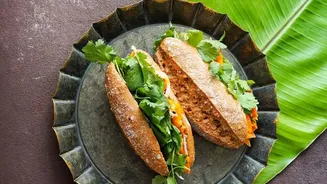
The final textural element is the bread itself, and it can make or break your sandwich. Using a soft, flimsy bread is a recipe for a soggy mess, especially if the filling is being packed for lunch. The best choice is a sturdy bread that can stand up to the creamy filling. Toasted slices of crusty sourdough, hearty whole-grain, or a seeded loaf are all excellent options. Toasting the bread creates a firm barrier that prevents sogginess and adds its own layer of crunch. For a different experience, a pita pocket can contain the filling neatly, avoiding spills. Don't let your perfectly textured filling be let down by the wrong bread choice.