





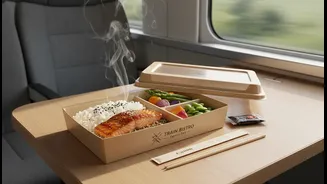


More Than Just a Meal
On the surface, the numbers are impressive. Food delivery platforms like Swiggy and Zomato, along with dedicated services like Zoop and RailRestro, are reporting exponential growth in orders from train passengers. In the first quarter of fiscal year 2027
alone, Swiggy saw its rail food delivery business triple year-on-year. This surge points to a fundamental shift, moving from a grudging reliance on pantry cars and platform vendors to an expectation of choice and convenience. Passengers are no longer just looking to quell hunger; they are seeking quality, variety, and reliability, mirroring their habits at home. This isn't just about food; it's about the 'platform economy' meeting one of India's oldest and most vital services.
The Engine of Change: Digital India
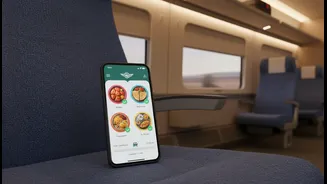
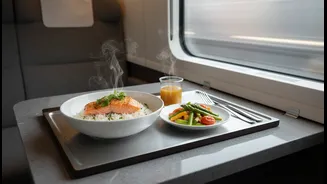
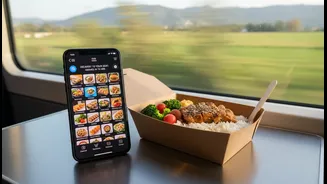
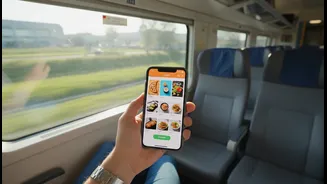
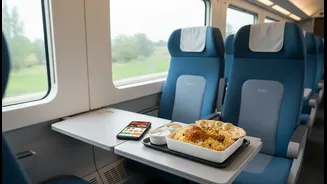
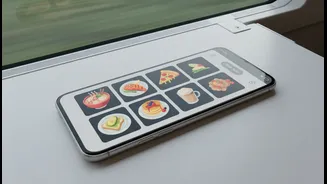
This transformation is powered by the widespread adoption of smartphones and digital payments. IRCTC's e-catering policy opened the door, creating a digital ecosystem where third-party aggregators could connect restaurants near stations with passengers on moving trains. The system is elegantly simple: a passenger enters their PNR number into an app, which then identifies the train's route and schedule. They can browse menus from restaurants at upcoming stations, place an order, and have it delivered directly to their seat. This PNR-based system is the lynchpin, allowing for real-time tracking and coordination, even when trains are delayed.
Why Pantry Cars Are Losing Steam
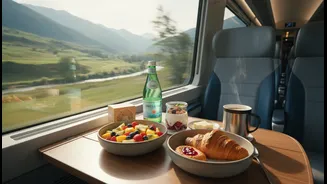
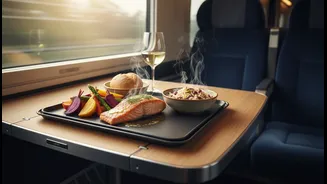
For decades, the pantry car was the default option for a meal on the move. However, inconsistent quality, questionable hygiene, and a limited, repetitive menu have long been sources of passenger complaints. Many travellers resorted to carrying food from home, adding to their luggage. The rise of e-catering offers a direct solution to these problems. By partnering with FSSAI-approved restaurants, these platforms provide an assurance of safety and a vast expansion of culinary choice, from regional specialities to popular fast-food chains. This has fundamentally altered passenger expectations, creating a new standard for onboard dining.
A New Lifeline for Local Economies
The impact extends far beyond the passenger's plate. This new model has created a significant economic opportunity for hundreds of small and medium-sized restaurants located in towns and cities along India's vast rail network. Platforms like Zomato and Swiggy give these local businesses access to a massive, transient customer base they could never have reached before. This is particularly impactful in tier-2 and tier-3 cities, where these services are not only growing rapidly but also introducing many first-time users to digital ordering. It's a prime example of technology creating a distributed economic model, turning railway stations into commercial hubs.
Navigating the Logistical Challenges
Despite the success, delivering food to a moving target is fraught with challenges. The biggest hurdle is timing. Train delays are common in India, and a late arrival can throw the entire delivery chain into disarray. Platforms have to be adept at real-time train tracking to adjust preparation and delivery times accordingly. Ensuring food remains hot and fresh is another concern. Furthermore, last-mile delivery within a crowded railway station, with short halt times and passengers in hard-to-reach coaches, requires precise coordination. Successfully navigating these issues is what separates the reliable services from the rest, as failed deliveries can quickly erode customer trust.