


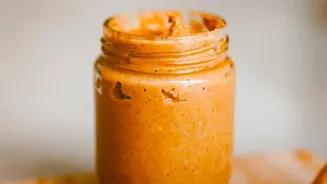
The Evolution of a Pantry Staple
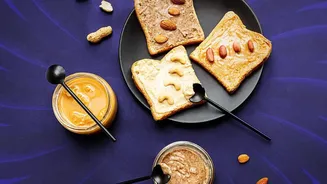
For years, nut butter meant one thing for most of us: a jar of peanut butter, often loaded with sugar and hydrogenated oils, reserved for a quick breakfast toast. It was a convenient, kid-friendly staple. But as Indian consumers become more health-conscious
and adventurous with their palates, that simple spread is undergoing a gourmet transformation. A new generation of food entrepreneurs is reimagining what a nut butter can be. They are ditching the additives and looking inward, to the rich tapestry of Indian culinary traditions, for inspiration. This shift is driven by a demand for 'clean labels'—products with short, understandable ingredient lists—and a desire to connect with familiar, regional tastes in a new and exciting format. The result is a vibrant market of spreads that are less of a processed food and more of a wholesome, functional pantry essential.
Decoding the Clean and Regional Label
So what exactly do 'clean ingredients' and 'regional botanical extracts' mean in this context? A 'clean label' signifies a move away from industrial additives. These modern butters are typically made without refined sugar, palm oil, artificial preservatives, or emulsifiers. Instead, sweetness comes from natural sources like jaggery, dates, or monk fruit, while the texture is derived purely from slow-roasting and grinding the nuts and seeds themselves. The term 'regional botanical extracts' refers to the inclusion of herbs and spices known for their flavour and wellness properties, often sourced from specific regions. Brands highlight ingredients like Lakadong turmeric from Meghalaya or Byadagi chilli from Karnataka, creating a direct link to India's agricultural heritage. Some are even infusing butters with Ayurvedic herbs like Ashwagandha, known for its stress-relieving properties, creating a product that is both a treat and a wellness supplement.
Inspired by the Indian Spice Box
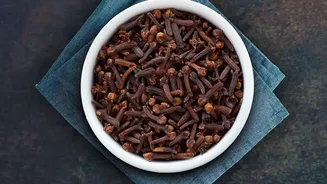
The most exciting aspect of this trend is the explosion of flavour. These butters go far beyond sweet, offering complex, savoury, and spicy profiles that feel distinctly Indian. Imagine a Thandai-flavoured spread blending cashews, pistachios, almonds, and traditional spices, perfect for a festive treat. Or a cashew and coconut butter infused with the delicate aroma of saffron and cardamom. For those who prefer a bit of heat, brands are offering options like peanut butter with a kick of chilli or a savoury peri-peri cashew butter designed for the Indian palate. Even classic combinations are getting an upgrade, with additions like rose petals, gulkand, and masala chai spices such as cinnamon, ginger, and cloves finding their way into jars of almond and cashew butter. These aren't just nut butters; they are a tribute to the Indian spice box in a creamy, spreadable form.
More Than Just a Spread for Toast
With such diverse flavours, the uses for these modern nut butters extend far beyond the breakfast table. Their versatility is a key part of their appeal. A savoury chilli or peri-peri butter can be used to create a quick marinade for grilled chicken or paneer, whisked into a zesty salad dressing, or used as a dipping sauce for snacks. A spoonful of a turmeric-infused almond butter can add creaminess and an anti-inflammatory boost to your morning smoothie. These butters can be swirled into oatmeal, blended into sauces for noodles, or rolled into energy balls for a quick, protein-packed snack. The naturally sweet, clean-label versions make for a fantastic, guilt-free topping for apple slices or a dip for fresh fruit. This new generation of nut butters invites creativity, encouraging home cooks to experiment and add a touch of gourmet flavour and nutrition to everyday meals.