



A Nostalgic, Sustainable Glow-Up
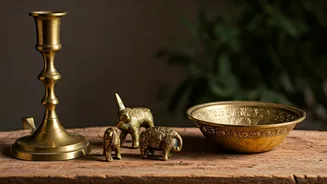
In the world of interior design, what’s old is often new again. But this trend isn’t about buying vintage-style replicas; it’s about giving a new purpose to the real thing. Traditional Indian brassware, or *pital ke bartan*, has been a cornerstone of our
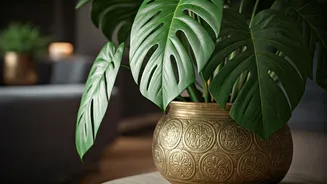
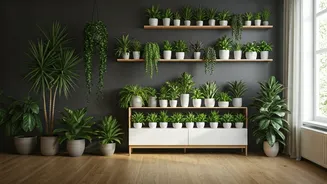
households for generations. The sturdy *lota*, the wide-mouthed *urli*, or the robust *handi* are not just utensils—they are heirlooms, carriers of memories. As we embrace indoor gardening, these forgotten treasures are finding a second life. Repurposing them as planters is a beautiful, sustainable way to bring a piece of heritage into our modern living spaces. The warm, golden hue of brass creates a stunning contrast with the vibrant green of foliage, offering a look that is both timeless and deeply personal.
The Unmatched Aesthetic
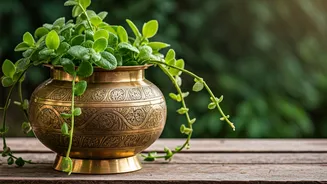
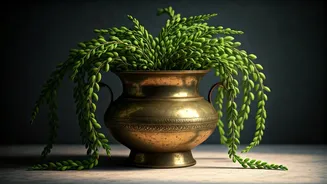
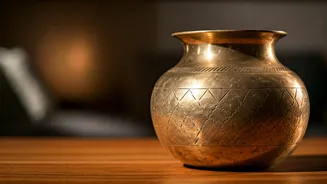
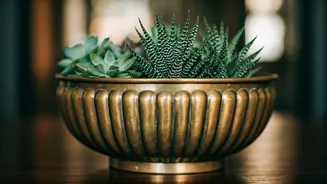
Why do they work so well? It’s all about the character. Unlike a generic ceramic or plastic pot, a brass vessel tells a story. It might have small dents from decades of use or a rich, dark patina that speaks of its age. This unique texture adds a layer of depth and soul to your decor that a mass-produced item simply cannot replicate. When a money plant’s tendrils cascade over the curved edge of a gleaming *lota*, or a snake plant’s sharp leaves rise from a heavy-bottomed *paraat*, the combination feels less like a simple potted plant and more like a living sculpture. The metal catches the light beautifully, adding a warm, reflective element to a room and making the plant a true focal point.
The All-Important Drainage Dilemma
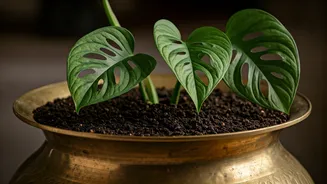
Before you rush to replant your entire garden, there is one crucial hurdle to address: drainage. Most traditional brass vessels were designed to hold water, not let it escape. They don't have drainage holes, which is a non-negotiable for healthy plant roots. But the solution is simple. The easiest and safest method is to use the brass vessel as a 'cachepot'—a decorative outer pot. Simply keep your plant in its original plastic nursery pot (which has drainage holes) and place it inside the brass vessel. When you water the plant, take it out of the cachepot, let the excess water drain away completely, and then place it back. This protects both your plant from root rot and your precious brass from water damage and mineral buildup.
Protecting Your Plant and Pot
If you want to plant directly into the brass, you'll need to take a couple of extra steps. First, you can carefully drill drainage holes in the bottom. This requires the right tools and a steady hand, so it’s best done by someone experienced. Second, it's wise to line the inside. While brass itself is generally safe, older pieces may contain traces of other metals that could leach into the soil over time. Placing a simple plastic liner inside, or even just the cut-off bottom of a plastic bottle, creates a protective barrier. This prevents direct contact between the soil and the metal, keeping your plant safe and making it easier to clean the vessel later.
Choosing the Right Vessel
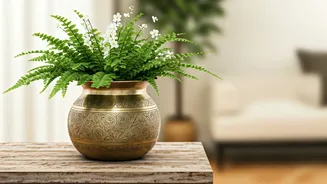
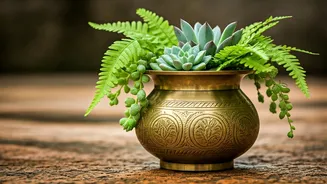
The fun part is the hunt! Look for vessels with a wide enough mouth to accommodate a plant. Small *lotas* are perfect for succulents or small herbs on a desk. Medium-sized *handis* or *degs* can house fuller plants like peace lilies or ferns. Large, shallow *urlis*, traditionally used for floating flowers, make a spectacular base for a collection of small succulents or an orchid arrangement. Don’t limit your search to your own home. Explore local antique markets, scrap dealers (*kabadiwalas*), or flea markets. You’ll often find unique, handcrafted pieces for a fraction of the cost of a new designer planter.
Care and Maintenance
The beauty of brass is that you can choose its finish. If you love the bright, polished look, a regular cleaning with a mixture of lemon and salt, or a commercial brass polish, will keep it shining. However, many people prefer the natural patina that develops over time—the dark, moody tarnish that gives the vessel an antique look. By using your vessel as a cachepot and avoiding constant moisture, you can control how it ages. Just be mindful that direct sunlight can cause the metal to heat up significantly, which could scorch the roots of your plant, so they are best suited for bright, indirect light indoors.