





Choose Your Footwear Wisely
The first line of defense is your choice of shoes. While leather and canvas are common, they absorb water and take a long time to dry. Opt for waterproof or water-resistant materials like rubber, nylon, or Gore-Tex, which are designed to keep moisture
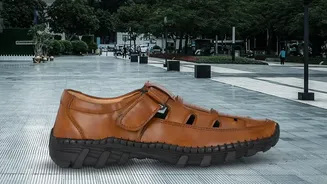
out. If your commute involves wading through puddles, proper rain boots are your best bet. For less severe conditions, even open-toed sandals or floaters that dry quickly can be a better option than absorbent closed shoes, as they allow for ventilation. If your workplace requires formal shoes, consider commuting in waterproof footwear and changing into a dry pair you keep at your desk.
The Power of the Right Socks
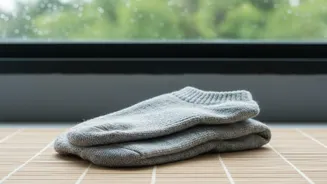
Cotton may be king in comfort, but it fails miserably when wet. It holds onto moisture, keeping your skin damp and increasing friction, which can lead to painful blisters. Instead, switch to moisture-wicking socks made from materials like wool or specific synthetic blends. These fabrics pull sweat and water away from your skin, helping your feet stay drier and reducing the risk of fungal growth. Always have a spare pair of dry socks with you. Changing out of wet socks as soon as you reach your destination is one of the most effective and simple steps you can take.
Immediate Post-Commute Care
What you do the moment you get indoors matters. As soon as you arrive, take off your wet shoes and socks. Don't just kick them off and forget about them. Wash your feet thoroughly with mild soap and water, paying special attention to the spaces between your toes where moisture loves to hide. Afterwards, dry your feet completely with a clean towel. This simple act of hygiene significantly lowers your risk of developing common monsoon-related infections like Athlete's foot, which thrives in damp, warm environments.
Properly Dry Your Shoes
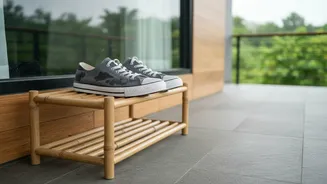
Never wear damp shoes. It not only feels unpleasant but also creates a persistent habitat for bacteria and fungi. Resist the temptation to place your wet shoes directly on a radiator or use a hairdryer, as intense heat can damage the glue and materials, causing them to warp or crack. The best method is to stuff them with crumpled newspaper, which is highly absorbent. Replace the paper every few hours until the shoes are mostly dry. Then, let them air out in a well-ventilated area, away from direct sunlight. Alternating between two pairs of work shoes is also a great strategy, ensuring one pair can dry completely for a full day before you wear it again.
Preventative Powders and Care
For extra protection, consider using an antifungal or talcum powder. A light dusting on your dry feet before you put on your socks can help absorb any excess moisture and create an environment hostile to fungal growth. Pay attention to your toenails as well, keeping them clean and trimmed to prevent debris and microbes from collecting. If you notice any persistent itching, redness, peeling skin, or discoloration, it could be the start of a fungal infection that needs attention.
Understanding the Risks
Ignoring perpetually wet feet can lead to more than just bad odour. Conditions like Athlete's foot and toenail fungus are common. A more serious, though less common, issue is trench foot, or immersion foot syndrome. This occurs when feet are cold and wet for extended periods, leading to restricted blood flow, nerve damage, swelling, and pain. While often associated with soldiers in WWI, it can affect anyone with prolonged exposure to wet conditions. This highlights why keeping feet as dry as possible is not just about comfort, but about preventing genuine health issues.