

Choosing between a mountain trail and open water for your workout? Hiking and paddleboarding both offer incredible benefits, but they train your body in remarkably different ways. One builds powerful cardio, the other develops serene strength.
The Uphill Challenge: Hiking's Cardio Power
Hiking is
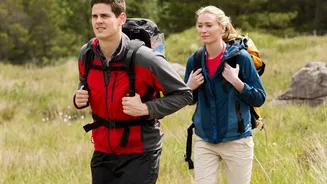
far more than a simple walk in the park. The moment your path includes varied terrain—especially hills and inclines—it transforms into a powerful cardiovascular workout. Each upward step forces your heart to pump harder to deliver oxygen-rich blood to your leg muscles, significantly elevating your heart rate. This makes hiking a form of high-intensity interval training (HIIT) created by nature itself; the climbs are intense work periods, while flat sections or descents act as recovery. This sustained effort strengthens your heart muscle, improves circulation, and can help lower blood pressure and reduce the risk of heart disease. The primary muscles engaged are the powerhouses of the lower body: your glutes, quadriceps, hamstrings, and calves do the heavy lifting, especially on inclines. Additionally, navigating uneven ground forces your core and smaller stabilizing muscles in your ankles to constantly work to maintain balance.
The Core of Calm: Paddleboarding's Endurance Strength
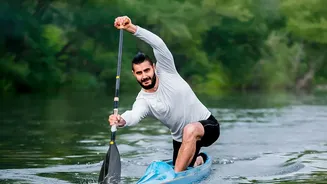
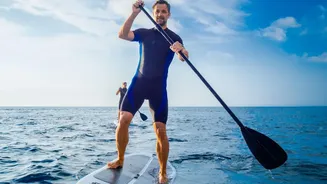
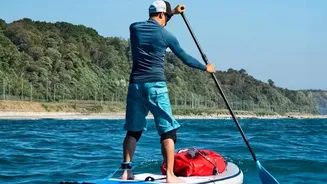
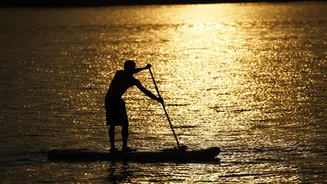
Stand-up paddleboarding (SUP) may look tranquil, but it provides a surprisingly comprehensive, low-impact workout. Its main strength lies in building muscular endurance and incredible core stability. The simple act of standing on an unstable board requires constant micro-adjustments from your feet, legs, and, most importantly, your core. Your abdominal muscles, obliques, and lower back are perpetually engaged to keep you balanced, making it one of the most effective core workouts available. The paddling motion itself is a full-body affair. While your arms and shoulders guide the paddle, the real power comes from your back and a twisting motion through your torso. This means you are simultaneously strengthening your lats, traps, and rotator cuffs while your legs remain tensed for stability. Because it is low-impact, paddleboarding is gentle on the joints, making it a great alternative for those prone to injury. It builds stamina in a steady, serene way, often making you exercise for longer than you realize.
Intensity vs. Stability: A Tale of Two Workouts
The core difference between these two activities lies in how they challenge your body. Hiking is defined by its cardiovascular intensity and lower-body power. It's a weight-bearing exercise that excels at burning calories—an hour of challenging hiking can burn between 400 and 600 calories—and building bone density. The effort is often punctuated by peaks and valleys, demanding bursts of power followed by recovery. Paddleboarding, on the other hand, is about sustained, controlled effort. The cardiovascular demand is typically lower and more consistent than in hiking, unless you are paddling at a racing pace. Its genius is in building functional, stabilizing strength throughout the entire body. Think of hiking as a series of intense sprints for your heart and legs, while paddleboarding is like holding a challenging yoga pose for an hour, requiring constant engagement and control from head to toe.
Which Adventure Is Right for Your Goals?
Choosing between hiking and paddleboarding depends entirely on what you want to achieve. If your primary goal is vigorous cardiovascular exercise, improving aerobic fitness, and strengthening your legs for power and calorie burn, hiking is the clear winner. It is ideal for anyone looking to push their heart and lungs while building formidable lower-body strength. If your focus is on a low-impact, full-body workout that builds exceptional core strength, improves balance, and promotes muscular endurance, then paddleboarding is your best bet. It is particularly beneficial for those with joint concerns or anyone seeking a meditative, stress-reducing activity that still delivers a fantastic workout. Of course, you do not have to choose just one. Incorporating both into your fitness routine offers a beautifully balanced approach: hiking for high-intensity cardio and paddleboarding for core stability and recovery.