



The Rise of the Four-Legged Foodie
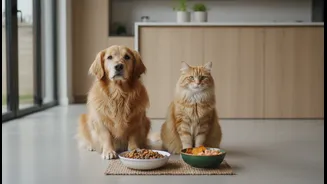
The pet food market in India is booming, with a growing number of pet parents viewing their companions as cherished family members. This “pet humanisation” trend means owners are increasingly willing to spend more on high-quality, premium products. Brands
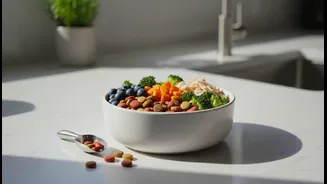
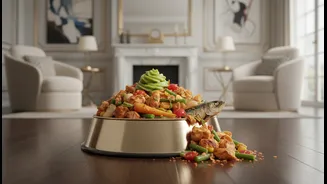
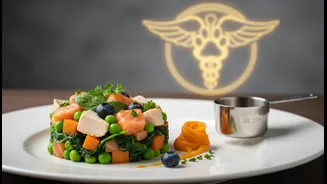
are responding with an explosion of gourmet offerings, from meals made with human-grade ingredients like Atlantic salmon and boneless duck to pet-safe bakery items and even non-alcoholic dog wine. This desire to provide the best is understandable. We want to pamper our pets, and offering them a meal that looks as good as our own can feel like a profound act of love and care.
Decoding 'Gourmet' and 'Human-Grade'
Terms like 'gourmet', 'natural', and 'human-grade' are powerful marketing tools, but they can be confusing. 'Human-grade' simply means the ingredients are edible for humans, but it doesn't automatically equate to a nutritionally complete and balanced meal for a cat or dog. While regulations from the Bureau of Indian Standards (BIS) provide voluntary guidelines for pet food, the sector is not as strictly regulated as human food, meaning labels require careful scrutiny. A 'gourmet' meal might be made with excellent ingredients, but without expert formulation, it could lack the precise blend of proteins, fats, vitamins, and minerals your pet needs to thrive.
The Unshakeable Importance of Balance
A “balanced” diet is one that provides every essential nutrient your pet needs in the correct proportions for their life stage and health status. Cats, for instance, are obligate carnivores and have a strict requirement for animal-based protein, while dogs are omnivores and can derive nutrients from a wider variety of sources. Commercially prepared foods from reputable brands are formulated by veterinary nutritionists to meet these complex needs. While a homemade or gourmet diet can be excellent, it must be carefully planned—preferably with a vet's input—to avoid deficiencies or excesses that can cause health problems over time.
The Dangers of 'Too Much Love'
The single biggest nutritional issue facing pets today isn't a lack of fancy ingredients, but the sheer volume of food they consume. More than half of dogs and cats are now considered overweight or obese, a condition that puts them at high risk for serious health problems. Carrying extra weight puts immense strain on joints, leading to arthritis. It also dramatically increases the risk of diabetes, heart and respiratory disease, kidney disease, and even certain types of cancer. Studies have shown that overweight pets can have their lifespan shortened by as much as two years.
How to Measure for Your Pet's Health
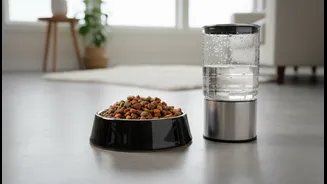
Getting portion control right is one of the most important things you can do for your pet. The feeding guides on pet food packaging are only a starting point; your pet's individual needs will vary based on age, breed, activity level, and whether they are neutered. The most reliable method is to use an actual measuring cup or a kitchen scale to weigh out their food—'eyeballing' it often leads to overfeeding. Treats should make up no more than 10% of their total daily caloric intake. The best approach is to consult your veterinarian. They can assess your pet’s body condition score and help you calculate the precise amount of food they need each day to maintain a lean, healthy weight.