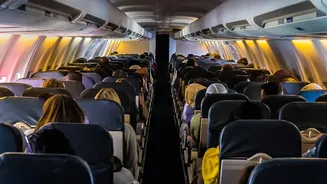




Ever wonder why the chicken curry or pasta dish you get on a plane tastes a little... off? It’s not just you, and it’s not entirely the chef’s fault. The real culprit is the science of what happens to your body at 35,000 feet.
Your Taste Buds on a Plane
The moment you step onto
an aircraft, your senses begin to change. At cruising altitude, the cabin environment is a perfect storm for dulling your palate. The air pressure is lower, similar to being on a mountain several thousand feet high. This, combined with extremely low humidity—often drier than most deserts—dries out your nasal passages. Since roughly 80% of what we perceive as 'taste' is actually smell, this is a major problem. Studies have shown that our ability to detect salty and sweet flavours can plummet by up to 30% during a flight. Add the constant drone of the engines, which can be as loud as 85 decibels, and research shows our perception of sweetness is suppressed even further.
The Old Way: More Salt and Sugar
For years, the straightforward solution for airline caterers was to simply overpower the problem. If passengers couldn't taste salt and sugar properly, the kitchens would just add more—a lot more. Dishes served in the sky were often loaded with extra salt, sugar, and fat to compensate for the dulled sensory perception. A meal that would taste perfectly seasoned on the ground would need a significant boost to register as flavorful at altitude. However, as passengers have become more health-conscious, this approach has become less acceptable. Pumping meals full of sodium isn't a great solution for flyers, especially on long-haul journeys. This forced caterers to look for a more sophisticated, and healthier, way to build flavor.
The Aromatic and Savory Solution
This is where herbs and spices become the heroes of the galley. While our sensitivity to sweet and salty tastes plummets, our ability to perceive sour, bitter, and spicy flavors remains largely intact. Most importantly, the fifth taste, umami—the savory, rich flavor found in things like tomatoes, mushrooms, and hard cheeses—is barely affected and may even be enhanced by the cabin noise. Airline chefs have learned to lean into this. They design menus that are rich in umami and feature bold, aromatic herbs and spices that can cut through the sensory fog. These ingredients stimulate the sense of smell, which is crucial for a full flavor experience, and provide complexity without relying on a salt shaker.
Herbs and Spices That Earn Their Wings
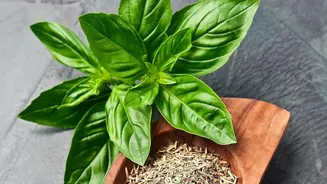
Certain herbs and spices are particularly effective at altitude. Their strong aromatic compounds help awaken the senses. Fragrant, earthy, and warm spices tend to perform well. Think of the robust flavors in many Asian and Middle Eastern cuisines, which rely on layering spices. Caterers frequently use ginger, with its warm spice, and garlic for its pungent depth. Lemongrass and curry are noted to be even more intense in the air. Other powerful players include cardamom, cinnamon, rosemary, and thyme. These herbs don't just add flavor; they add aroma, creating a more complete and satisfying meal experience despite the challenging environment. By focusing on these powerhouse ingredients, chefs can create dishes that taste intentional and delicious, not just adequately seasoned.
The shift from excess salt to strategic spice use is more than just a culinary trick; it’s a move toward healthier and more enjoyable in_flight dining. By using ingredients naturally rich in umami and pairing them with aromatic herbs, airlines can create satisfying meals that are lower in sodium. It represents a deeper understanding of the unique interplay between our bodies and the environment at 35,000 feet. It's a culinary challenge met with scientific precision, ensuring that the meal you eat is designed not just for a tray table, but specifically for your high_altitude palate.