








The Promise of Easy Healthy Eating
Meal subscriptions offer a powerful solution to one of modern life's biggest challenges: finding the time and energy to eat well. Their primary benefit is convenience, which takes much of the stress and decision-making out of meal planning, grocery shopping,
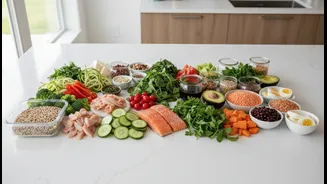
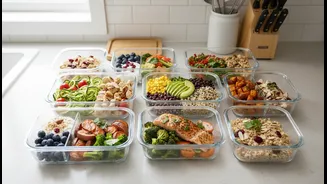
and preparation. For busy professionals or those new to cooking, this structure can be a game-changer. Services often provide pre-portioned ingredients, which not only helps with portion control but also significantly reduces food waste—a common issue when buying ingredients for complex recipes. Many companies offer plans curated by dietitians and designed to meet specific health goals, such as high-protein, plant-based, or low-carb diets, making it easier to stick to a nutritional plan. By removing the guesswork and providing balanced meals, these subscriptions can be a valuable tool for establishing healthier eating habits and reducing reliance on less nutritious takeout or fast food.
Battling the Boredom of Menu Fatigue
One of the most common complaints about meal subscriptions is the dreaded "menu fatigue." Eating from a limited, rotating menu, no matter how good, can quickly become repetitive. Some services offer a vast number of weekly options to combat this, but customers can still feel locked into a certain style of cuisine. Experts suggest a hybrid approach to keep things fresh. Instead of relying on one service for every single meal, consider subscribing for a few days a week—like busy weekdays—while leaving weekends open for home cooking or dining out. Another strategy is to rotate between different subscription services every few months to experience new menus and recipes. Many companies now offer flexible plans that allow you to easily skip weeks or cancel without long-term commitments, acknowledging that users want more control. This flexibility empowers you to use the service as a tool that fits your life, rather than a rigid plan that causes burnout.
Seeing Through the 'Health-Halo'
The term "health-halo" refers to a marketing tactic where a single positive claim—like "organic," "low-fat," or "gluten-free"—makes a product seem healthier than it actually is. This is a major pitfall in the world of meal subscriptions. A meal labeled "organic" can still be high in sodium, sugar, and unhealthy fats. Similarly, "gluten-free" does not automatically mean nutritious; a gluten-free cookie is still a cookie. To avoid being misled, you must become a savvy consumer. Ignore the buzzwords on the front of the box and turn your attention to the nutritional information and ingredients list. Look for meals rich in vegetables, lean proteins, and whole grains. Be wary of meals with excessive sodium, which is often used as a preservative and flavour enhancer in pre-prepared foods. The healthiest choice is one based on balanced nutrition, not just appealing marketing claims.
Who Are These Services Really For?
Meal subscriptions are not a one-size-fits-all solution. They are most beneficial for specific types of people. Busy professionals who work long hours can save significant time on planning and cooking. Individuals who are new to cooking can use meal kits as a learning tool, gaining confidence and skills in the kitchen with easy-to-follow recipes. They are also excellent for anyone who needs help with portion control, as the pre-measured ingredients take the guesswork out of serving sizes. However, these services may not be the best fit for everyone. Families on a tight budget might find that grocery shopping and cooking from scratch is more cost-effective. Passionate home cooks who enjoy the creative process of designing their own meals may find the pre-set recipes restrictive. Ultimately, the value of a meal subscription depends entirely on your lifestyle, budget, and health goals.
Making a Subscription Work for You
To get the most out of a healthy meal subscription, it's crucial to be an active participant rather than a passive consumer. Before committing, take advantage of trial offers that many services provide to see if the food and format work for you. When selecting your meals, always review the full nutritional details. Don't assume a meal is healthy just because it's part of a "wellness" plan. Look for a good balance of macronutrients and check for hidden sugars or high sodium levels. Think of the service as one component of a healthy lifestyle, not the entire solution. Combine it with regular physical activity and mindful eating practices. By choosing a service that aligns with your dietary needs and actively managing your weekly selections, you can successfully leverage a meal subscription to improve your diet without succumbing to fatigue or marketing hype.