
More Than Just Autopilot
When we talk about AI in space, we're not just talking about a simple autopilot. We're referring to complex systems that can make independent decisions millions of kilometres from home. Think of it as the brain and nervous system for robotic explorers.
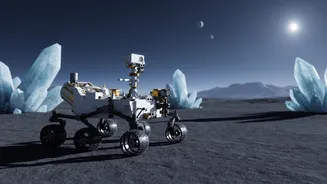
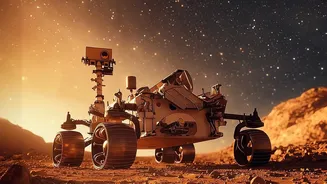
Space agencies like NASA, ESA, and ISRO are increasingly relying on AI to manage everything from mission planning to autonomous navigation. For rovers on Mars like Perseverance and Curiosity, AI is essential. With communication delays of up to 24 minutes each way, a human controller on Earth can't react in time to a sudden obstacle. Instead, AI-powered vision systems analyse the terrain, identify hazards, and plot the safest, most efficient path forward, all on their own.
Smarter Satellites, Cleaner Orbits
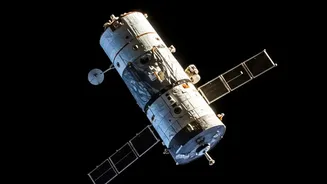
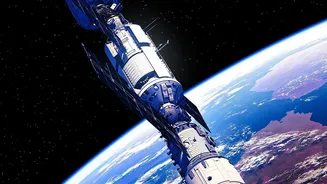
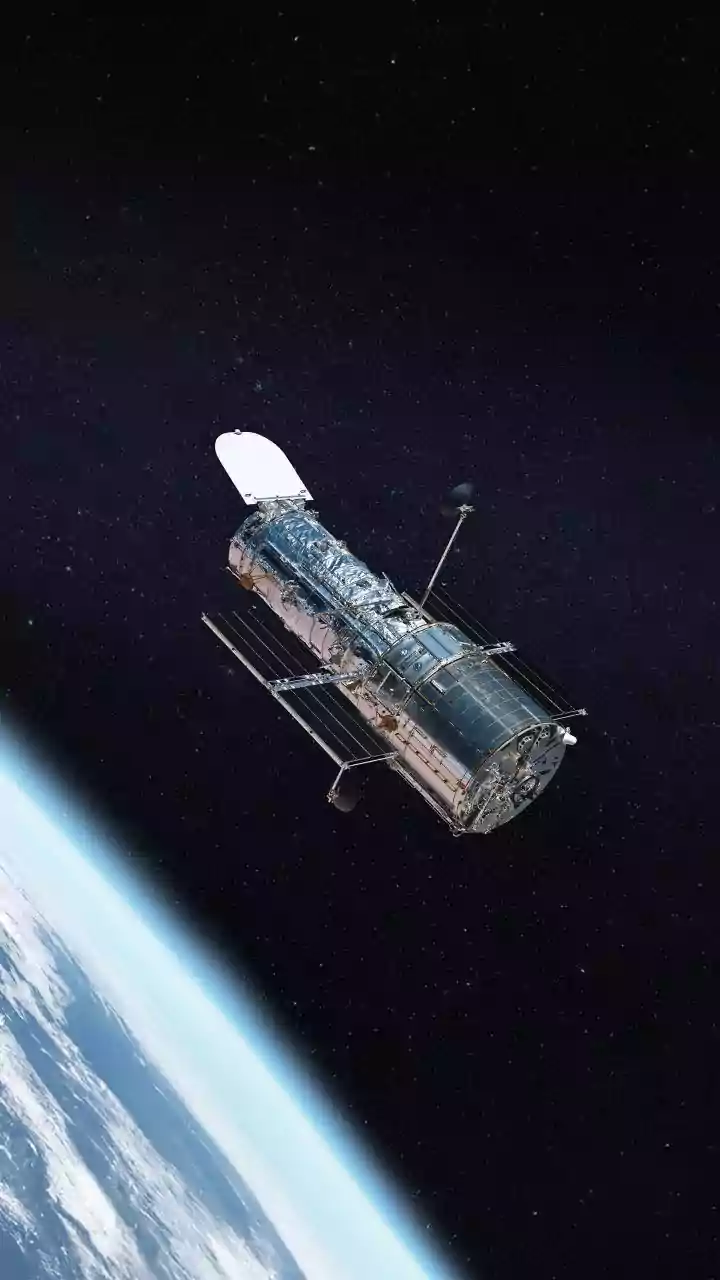
Earth's orbit is becoming crowded. With tens of thousands of satellites expected to be in operation by 2030, managing this traffic and avoiding collisions is a monumental task. AI is stepping in as a crucial orbital traffic controller. Machine learning algorithms can predict the trajectories of satellites and space debris, flagging potential collisions far more efficiently than human operators. This allows for timely course corrections, protecting vital infrastructure that powers everything from GPS to global internet. AI also makes satellites themselves more efficient. Onboard AI can process vast amounts of data in real-time, filtering out irrelevant images (like cloud-covered areas) and sending only the most valuable information back to Earth. This saves precious bandwidth and delivers actionable insights, for everything from disaster response to climate monitoring, much faster.
Accelerating Scientific Discovery
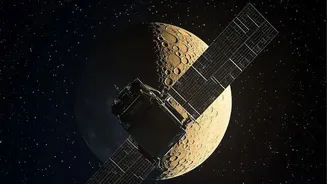
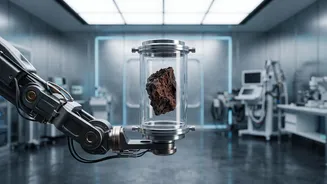
Space missions generate an almost unimaginable amount of data. NASA's Earth Observation System, for instance, already holds over 100 petabytes of information. It's impossible for humans to sift through all of it. AI, however, excels at finding the needle in the haystack. It can analyse datasets from telescopes like Kepler to identify patterns that signal the presence of new planets, and in fact, has already been used to discover hundreds of exoplanets that might have otherwise been missed. AI is also used to help rovers autonomously select rock and soil targets for analysis, searching for signs of ancient life on Mars without needing constant human guidance. In this sense, AI acts as a tireless research assistant, accelerating the pace of discovery.
The Future: An AI Co-Pilot to the Stars
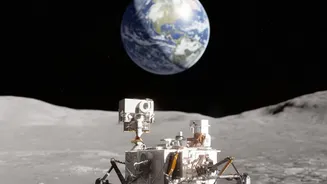
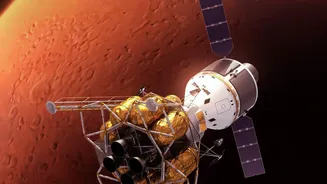
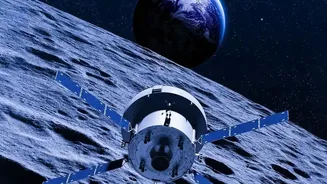
The role of AI in space is set to expand dramatically. NASA's goal is to position AI as a key partner for future missions, enhancing everything from autonomous decision-making to spacecraft health monitoring. As humans plan longer-duration missions, like return trips to the Moon and eventual journeys to Mars, AI will be critical. It can help manage life support systems, optimise resource use like food and water, and even monitor astronaut health. For missions venturing into deep space, where communication becomes even more challenging, spacecraft will need to be almost completely autonomous. This means AI will not only be navigating but also troubleshooting problems, conducting science, and adapting to unforeseen circumstances, becoming a true robotic explorer paving the way for human expansion into the solar system.