




What Exactly Is Shoulder Season?
Shoulder season is the travel industry's term for the period nestled between a destination's chaotic high season and its quiet low season. Think of it as the sweet spot just before the main tourist rush begins or right after it ends. For many destinations
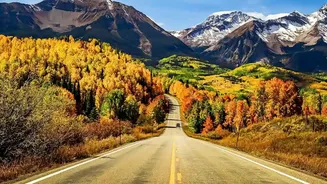
in the Northern Hemisphere, this typically means spring (March-April) and autumn (September-October). However, there is no universal calendar; the timing varies depending on a location's climate, hemisphere, and main attractions. For ski resorts, it might be the weeks before the snow season fully kicks off, while for beach towns, it could be just after the summer holidays. It's the 'just right' period when a destination has sighed with relief from the holiday frenzy but is still fully open and vibrant.
The Irresistible Benefits of This Travel Hack
For many Indian travellers, the primary appeal is the significant cost savings. Flights, accommodation, and even tours can be considerably cheaper compared to peak months, which often align with school holidays. Some analyses show that international airfares and hotel prices can drop by 20-40% once peak season demand softens. But the advantages go far beyond your bank account. Fewer crowds are a major plus. Imagine exploring Europe’s historic landmarks or strolling through a Southeast Asian market without navigating a sea of selfie sticks. This allows for a more relaxed, authentic connection with the destination. The weather is often another bonus. Instead of scorching summer heat or heavy monsoon rains, shoulder seasons typically offer milder, more pleasant conditions ideal for sightseeing.
Shoulder Season Gems Within India
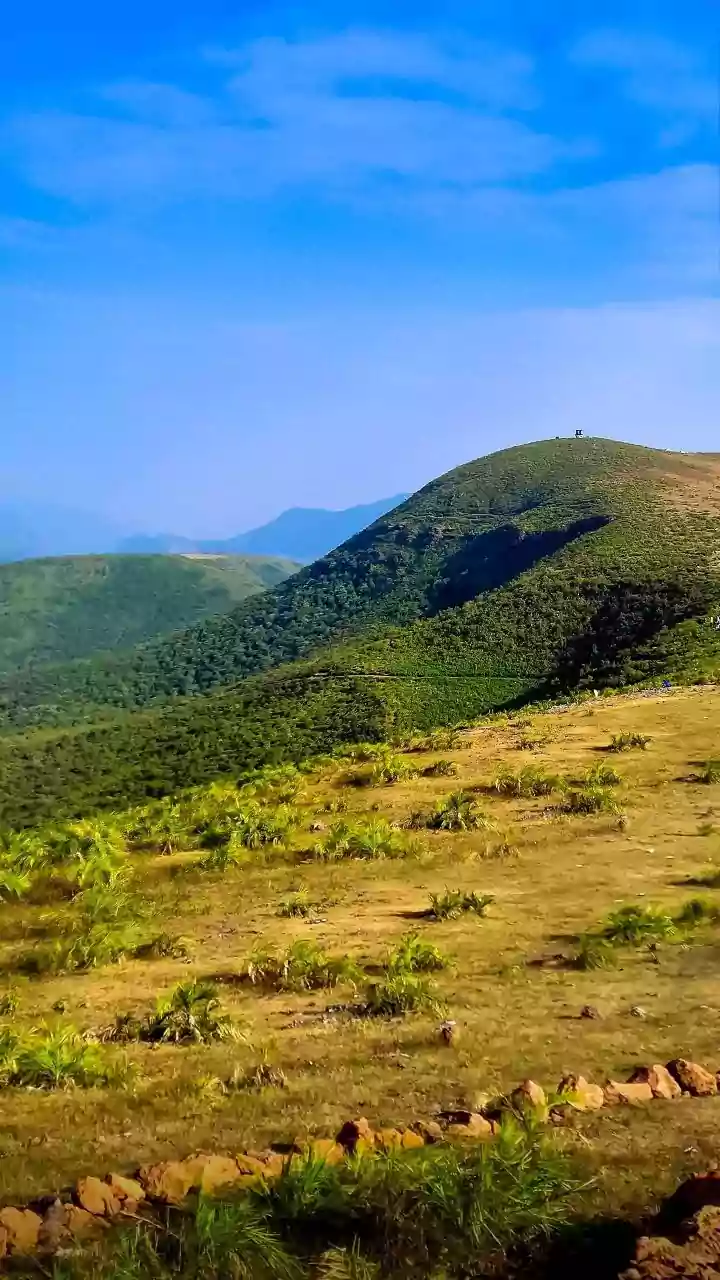
You don’t have to look far to reap the benefits. Many of India’s most popular spots are even better during their shoulder periods. Consider Goa, which transforms during its shoulder season from mid-June to October. The monsoon rains create a lush, green landscape, waterfalls like Dudhsagar are at their most powerful, and accommodation prices are much lower. Hill stations in Himachal Pradesh and Uttarakhand can be serene just before or after the main summer tourist influx. September in places like Ladakh offers stunning landscapes with far fewer people than the peak months of May to August. In the south, destinations like Munnar and Coorg in Kerala and Karnataka are beautiful post-monsoon, as the tea and coffee plantations look freshly washed and green.
Top International Escapes to Consider
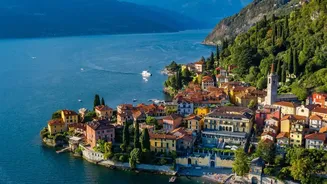
Europe is a classic example where shoulder season travel shines. The months of April to June (spring) and September to October (autumn) are widely considered the best times to visit from India. You'll find pleasant weather perfect for exploring cities like Paris, Rome, and Amsterdam, but with smaller crowds and better prices than the July-August peak. September in particular offers a fantastic balance of late-summer warmth and thinning crowds. For those looking closer to home, Southeast Asia offers great value. In Thailand, the shoulder season often falls between March and May and again from September to October. For Vietnam, consider April to June or September to November for good weather without the intense heat or rain. Similarly, Bali’s shoulder periods of April-June and September are ideal for enjoying its beaches and culture without the peak season rush.
How to Plan Your Trip Like a Pro
Planning a shoulder season trip requires a bit of research, as the dates can vary significantly by destination. Start by identifying the peak season for your chosen location—this is often driven by major holidays, school breaks, and the best weather—and then look at the months immediately before and after. Be flexible with your travel dates if you can; flying mid-week is often cheaper than on weekends. While you don't need to book as far in advance as for peak season, it’s still wise to secure flights and accommodations ahead of time to get the best deals. Finally, always check if any attractions have seasonal closures, although most major sites in popular destinations remain open year-round.