







The Un-Googleable Tiredness
First, let's talk about that fatigue. It's more than just needing a nap. It’s the low-grade burnout from a decade of hustle culture, student debt, the gig economy, and a life lived through screens. Coined to describe a generation caught between economic
precarity and social media perfectionism, "millennial fatigue" is the mental and physical exhaustion that persists even when you enjoy your work. It’s the feeling that small, everyday tasks have become monumental challenges. In response, a niche but growing travel trend has emerged: programs designed not just for relaxation, but for biological and mental restoration.
Hitting the Biological Reset Button
The core of these programs is the "circadian reset." Your circadian rhythm is your body's 24-hour internal clock, governing everything from your sleep-wake cycle to your hormone release and digestion. Modern life, with its late-night screen time, erratic eating schedules, and constant stress notifications, throws this clock completely out of whack. A reset program aims to recalibrate it. This isn't just about getting eight hours of sleep; it's about re-synchronizing your entire system with natural light-dark cycles to improve sleep quality, energy levels, and mood. The goal is to move you from a state of chronic stress to one of deep, restorative rest.
Why the Hills Hold the Answer
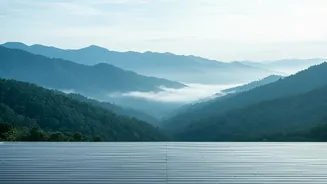
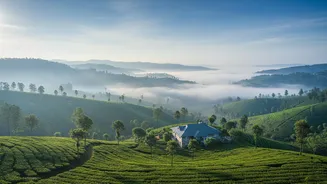
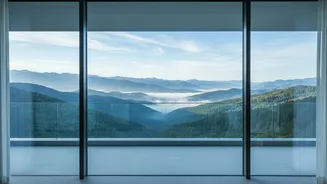
You can't just do this anywhere, and that's where hill stations come in. These mountain environments offer a unique therapeutic advantage. First, the air is cleaner and often richer in oxygen, which can improve respiratory and cardiovascular function. Second, the natural setting encourages physical activity like hiking, which is a known stress reducer. Most importantly, the altitude, quiet, and distance from urban chaos create a sanctuary effect. The serene landscapes and reduced noise pollution have a calming effect on the nervous system, making it easier to disconnect and be present. It's an environment intentionally designed to remove the triggers of modern life.
The Blueprint for Recovery
So, what actually happens in one of these programs? It’s a highly structured blend of science and holistic practice. Days start with morning sun exposure to signal to your body clock that it's time to be alert. Meals are served at specific times to optimize digestion and metabolism, a practice known as chrono-nutrition. A huge component is a structured digital detox, where phones and laptops are put away to give your brain a break from constant stimulation and blue light. This is layered with activities like guided meditation, yoga sequenced for sleep preparation, and spa treatments like thermal hydrotherapy or targeted massages designed to release tension. Some high-end programs even incorporate sleep tracking technology and medical consultations to create a truly personalized protocol.
Beyond the Vacation High
The ultimate goal of these resorts isn't to provide a temporary escape, but to equip guests with sustainable habits. A week in the mountains won't cure burnout if you immediately return to 16-hour workdays and scrolling until 2 a.m. The programs are designed to be educational. You learn about your own sleep patterns, your stress triggers, and how to create daily rituals that support your well-being long after you've checked out. This includes strategies for mindful technology use, stress management techniques, and understanding how to eat in a way that supports your energy cycles. It's about giving you the tools to build a more resilient and balanced life back in the real world.