

What Exactly Are Ancient Grains?
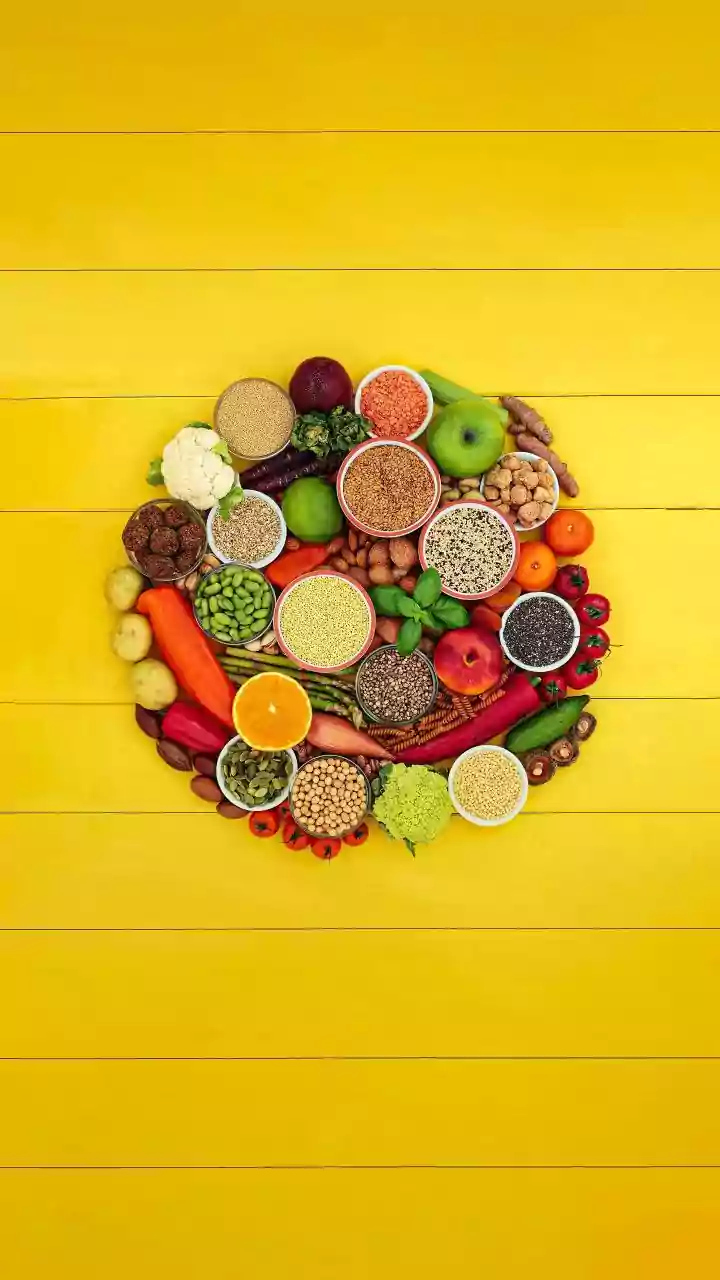
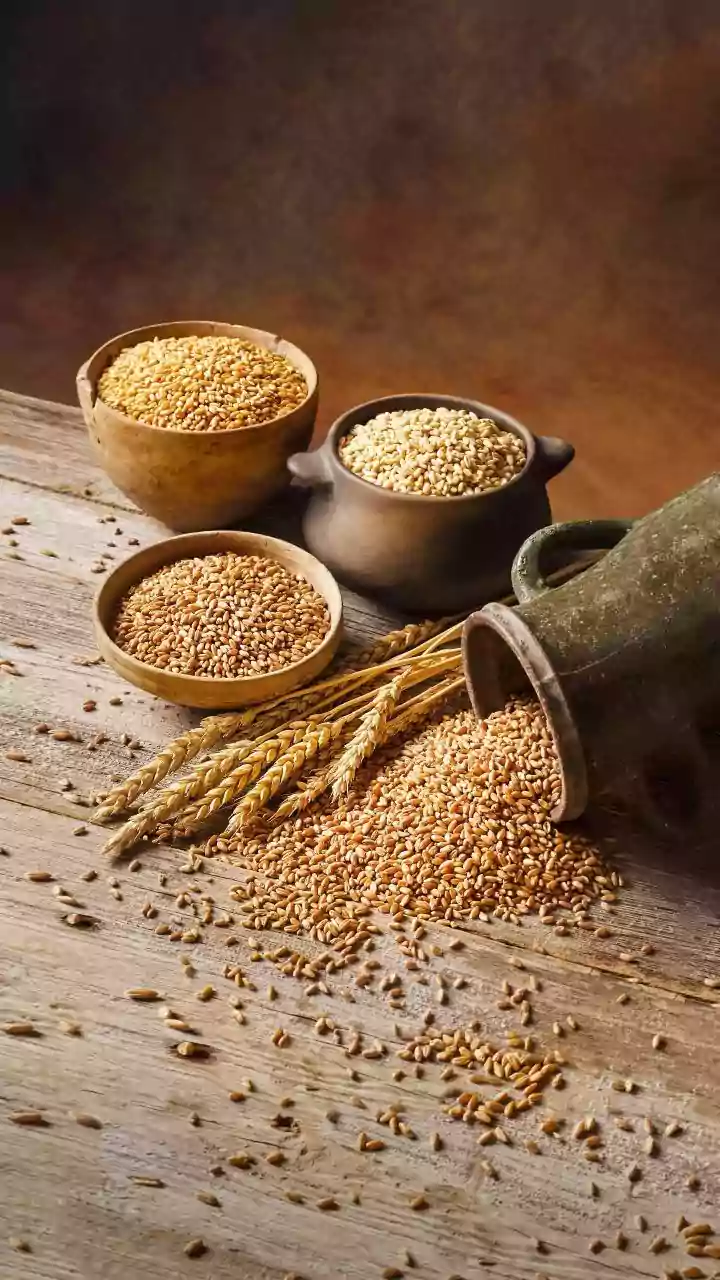
The term 'ancient grains' is more of a modern marketing label than a strict scientific classification. It generally refers to grains that have remained largely unchanged by selective breeding over the last several hundred or even thousands of years. Think
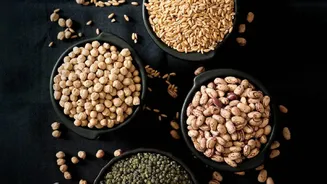
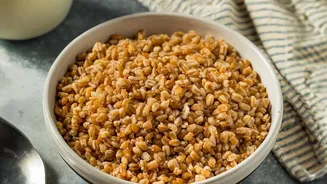
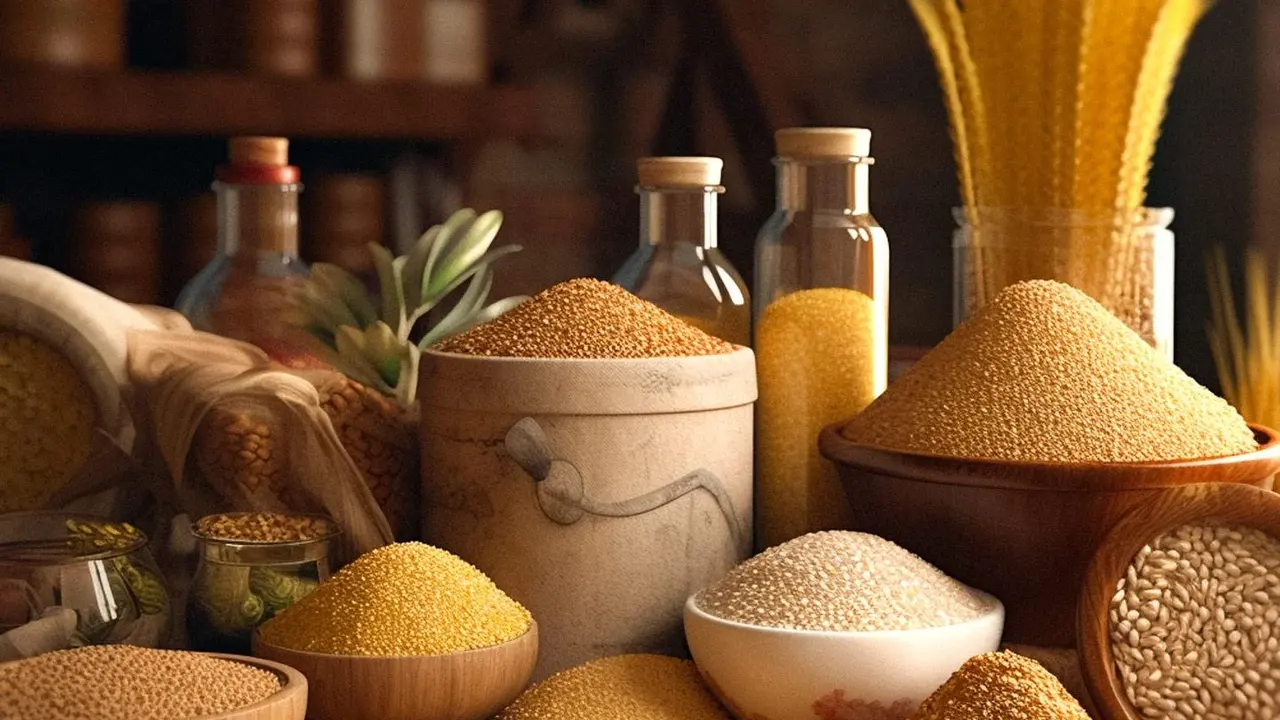
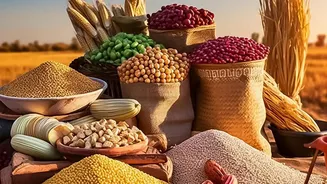
of grains like amaranth, millet, quinoa, sorghum, teff, and farro. Some, like quinoa and amaranth, are technically 'pseudocereals' because they're seeds, but they are cooked and eaten like grains. Unlike modern wheat, which has been extensively modified for high yields, these grains are closer to their original form, often resulting in a richer nutritional profile.
The Nutritional 'Why'
Swapping refined grains for ancient whole grains offers significant health benefits. They are typically packed with more protein, fiber, vitamins, and minerals than their modern, processed counterparts. The high fiber content aids digestion, helps you feel full longer, and can assist in regulating blood sugar levels by slowing the conversion of starches to sugar. Many are rich in essential minerals like magnesium, iron, and zinc, as well as antioxidants that help protect your cells. Quinoa and amaranth are even considered complete proteins, containing all nine essential amino acids.
Energize Your Breakfast
Starting your day with ancient grains is a simple first step. Millet can be cooked into a warm, creamy porridge, similar to oatmeal. Try a warm quinoa bowl with milk, cinnamon, and fresh fruit for a protein-packed start. If you're short on time, you can add puffed amaranth or millet to your yogurt or smoothie for extra texture and nutrients. You can even prepare a savory breakfast bowl with cooked farro or sorghum, topped with a poached egg, sautéed vegetables, and a sprinkle of cheese.
Upgrade Your Lunch and Dinner
The easiest way to incorporate ancient grains into your main meals is by using them as a substitute for rice or pasta. Use fluffy quinoa or chewy farro as a base for grain bowls, stir-fries, and pilafs. Add a scoop of cooked sorghum or barley to your favorite soups and stews to make them heartier and more filling. Cold cooked grains like farro, bulgur, or freekeh are excellent additions to salads, transforming them from a simple side into a substantial meal.
Simple Tips for Cooking
Don't let the preparation process scare you. Many ancient grains cook relatively quickly. For both quinoa and millet, a simple 1:2 ratio of grain to water is a good starting point, simmering for about 15-20 minutes until the water is absorbed. It's crucial to rinse quinoa before cooking to remove its natural coating, called saponin, which can taste bitter. A great time-saving trick is to cook a large batch at the beginning of the week. Cooked grains can be stored in an airtight container in the refrigerator for three to five days, ready to be added to any meal.
Experiment with Baking
You can also introduce ancient grains through baking. Many are available as flours, such as spelt, buckwheat, teff, and amaranth. A simple way to start is by substituting 25% of the all-purpose flour in recipes for muffins, pancakes, or quick breads with an ancient grain flour. This will add a new, often nutty and rich flavor without drastically changing the texture. Spelt flour, for example, can make muffins moist and slightly sweet, while quinoa flour can complement the spices in banana bread.