




The Foundation: Soaring Ingredient Costs
The single biggest driver behind more expensive Diwali treats is the rising price of core ingredients. The cost of sugar, a fundamental component, has climbed due to lower-than-expected production and high festive demand. Similarly, milk, the base for
countless traditional sweets, has become more expensive. But the sharpest increases are seen in essentials like ghee, edible oils, and especially dry fruits. Wholesale prices for almonds, cashews, and pistachios have surged, with some varieties increasing by as much as 30%. Traders attribute this to tighter global supplies and import costs, which directly translate to a more expensive box of mithai or a packet of mixed nuts.
The 'Gourmet Mithai' Revolution
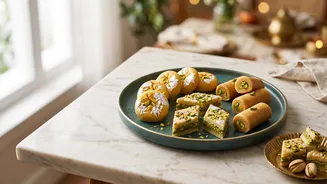
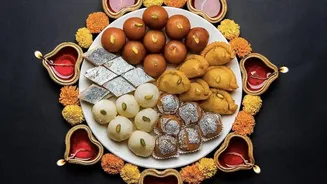
The neighbourhood halwai is no longer the only option. A booming market for 'premium' and 'artisanal' sweets is reshaping how Indians celebrate. These are not your standard laddoos; think rose-infused kaju katli, sweets topped with edible gold, and fusion treats with exotic ingredients. This trend, known as premiumisation, has consumers paying more for higher quality, better hygiene, and a more luxurious experience. While traditional sweets remain popular, a growing number of urban consumers are willing to spend more on gourmet options that offer unique flavours and a modern aesthetic, driving up the average cost of festive treats.
Packaging That Can Cost as Much as the Sweets
The box is no longer just a container; it's part of the gift. The trend towards elaborate, multi-layered, and beautifully designed packaging has become a significant cost factor. While creating a memorable 'unboxing experience', this premium packaging can substantially inflate the final price. Some reports indicate that the cost of packaging materials, both paper and plastic, has risen sharply, forcing manufacturers to pass these expenses on to consumers. As gifting becomes more sophisticated, the visual appeal of the box, jar, or hamper is almost as important as the contents, and shoppers are paying a premium for it.
The Corporate Gifting Effect
Diwali is India's largest gifting season, with corporate and personal gifting making up a huge portion of festive spending. Companies are moving beyond generic sweet boxes and are increasingly opting for premium and curated hampers for employees and clients. This drives bulk demand for high-end sweets, gourmet snacks, and artisanal chocolates. As businesses compete to offer more thoughtful and impressive gifts, they fuel the market for premium products, from luxury dry fruit selections to wellness-themed hampers. This high-volume demand during a concentrated period helps sustain higher prices across the board, affecting individual household budgets as well.
Changing Tastes and Health Consciousness
Consumer preferences are also evolving. While traditional mithai holds its cultural significance, there's a growing interest in alternatives like artisanal chocolates, baked goods, and healthier snacks. Many are looking for options that are lower in sugar or made with alternative ingredients like jaggery or dates. These specialised products often come with a higher price tag due to smaller-scale production and more expensive ingredients. This shift means that even as people buy sweets and snacks, their choices are diversifying towards premium categories, which naturally increases the overall spend compared to a budget focused solely on traditional, locally made sweets.