





Beyond Paint: What is a Clay Wash?
Forget what you know about standard emulsion paints. A clay wash, often part of a broader category of natural finishes like limewash, is fundamentally different. It’s a breathable, architectural coating made primarily from natural clay, minerals, and natural pigments.
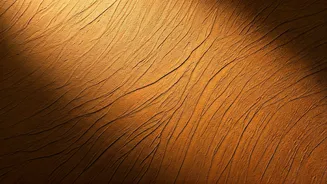
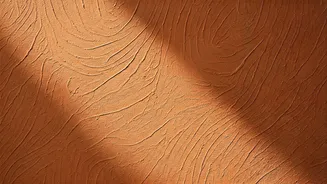
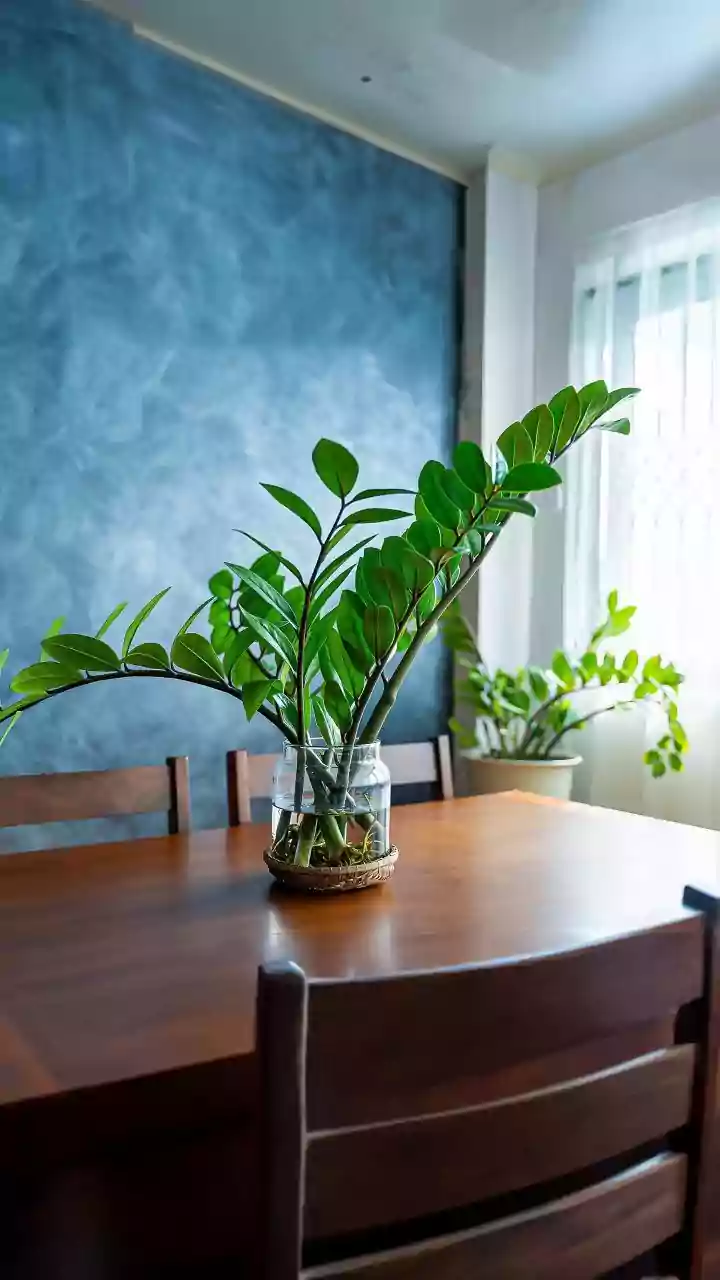
Unlike paint, which forms a film on top of a surface, a clay wash bonds with the wall itself, creating a finish that feels integrated and alive. The result is a uniquely soft, matte texture with subtle variations in tone and depth. This isn't a flat, uniform colour; it's a surface that plays with light throughout the day, imparting a gentle, chalky luminosity that cannot be replicated by synthetic products. Its earthy character provides a perfect, organic backdrop that feels both ancient and incredibly modern.
The Allure of the Earthy Aesthetic
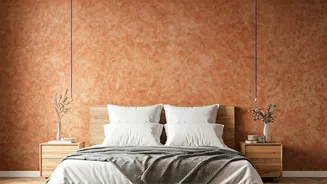
The move towards clay washes is about more than just a colour trend; it's a reflection of a deeper desire for wellness and calm within our living spaces. This aesthetic taps directly into 'biophilic design'—the practice of connecting people with nature within their built environments. The warm, reddish-brown hues of terracotta evoke sun-baked earth, traditional Indian pottery, and rustic architecture, creating an atmosphere of groundedness and stability. These tones are incredibly versatile, pairing beautifully with natural materials like wood, jute, and linen that are popular in contemporary Indian homes. They provide a rich, warm canvas that makes both minimalist and maximalist decor styles feel more intentional and soulful. In a world of digital screens and synthetic surfaces, a wall with the texture of dried earth is a powerful, tactile antidote.
Healthier Homes, Healthier Planet
The “eco-conscious” part of the headline is where clay washes truly shine. Standard paints and many types of wallpaper, particularly vinyl-based ones, release Volatile Organic Compounds (VOCs). These are chemicals that can off-gas into your home for years, impacting indoor air quality and potentially causing health issues. Natural clay finishes, by contrast, are typically zero-VOC or extremely low-VOC. Furthermore, they are 'breathable' or vapour-permeable. This means they allow moisture to pass through the wall, helping to regulate indoor humidity and naturally inhibit the growth of mould and mildew. This is a significant advantage in India's diverse climates, from humid coastal regions to monsoon-heavy areas. Made from abundant natural materials, clay washes are also a more sustainable choice, returning to the earth with minimal environmental impact at the end of their life cycle.
How It Compares to Wallpaper
Wallpaper has long been the go-to for adding pattern and personality to a room, but its drawbacks are driving this shift. The application often involves synthetic adhesives also high in VOCs, and removal can be a labour-intensive process that damages walls and creates non-recyclable waste. While a growing number of eco-friendly wallpapers made from recycled paper and non-toxic inks are available, clay washes offer a different kind of appeal. They are about texture over pattern, and permanence over trend-led prints. A clay-washed wall becomes a feature in itself—a timeless, monolithic surface that doesn't compete with art or furniture but enhances it. It feels less like a decoration applied to the home and more like an essential part of its structure.
Is a Clay Finish Right for You?
Before you commit, there are practical points to consider. Applying a clay or lime wash is more of an artisanal craft than a simple paint job and often requires a skilled professional to achieve the desired nuanced effect. This can make the initial cost higher than a standard paint job. In terms of durability, these finishes are robust but can be more susceptible to chipping or scuffing than modern acrylic paints, though touch-ups are often straightforward. They are best suited for living rooms, bedrooms, and hallways. For high-moisture or high-splash zones like kitchen backsplashes or bathroom shower areas, a special sealer would be required to protect the finish, or a different material might be more practical.