


Decoding the Latest Forecast
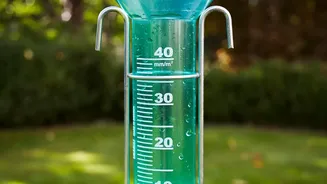
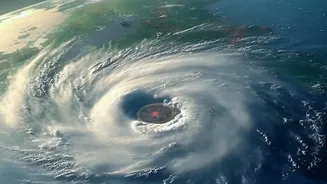
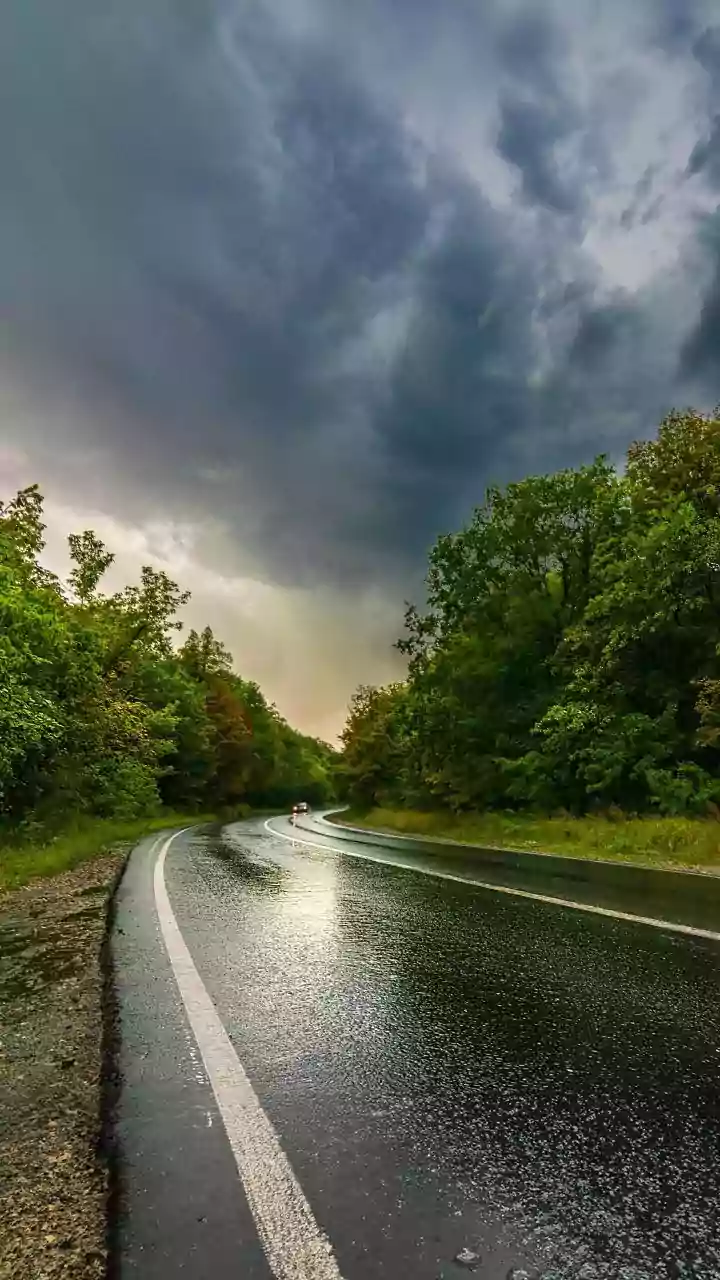
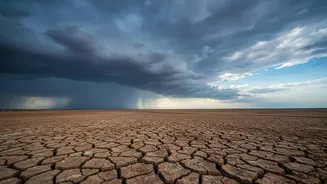
The latest forecast from the IMD indicates that rainfall for the country as a whole is likely to be “below normal” for August and September. This means precipitation could be less than 94% of the long-period average, a trend influenced by the strengthening
El Niño conditions in the Pacific Ocean. While a national average gives a broad picture, the forecast also highlights regional variations. Some parts of Peninsular, Central, and Northeast India may still receive normal to above-normal rainfall, but the overall signal points towards a weaker second half of the monsoon season. After a mixed performance in June and July, this outlook for the crucial final months of the monsoon raises important questions about our water security for the year ahead.
From Rainfall to Reservoirs
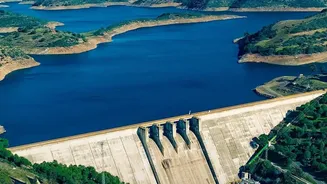
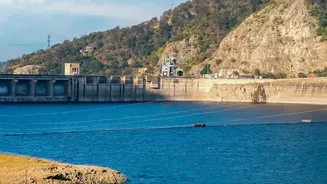
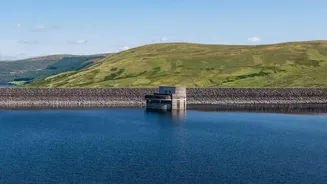
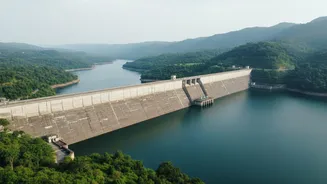
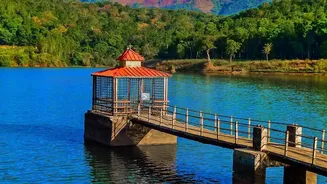
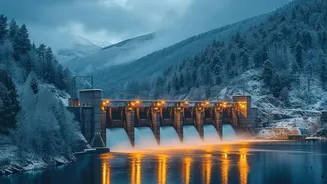
The four months of the southwest monsoon are India’s primary water-filling season. The rains do more than just cool the air and nourish crops; their most critical job is to replenish the country's 166 major reservoirs. These massive man-made lakes act as the nation’s water banks, storing supplies that are essential for the subsequent eight dry months. This stored water is what powers our cities, irrigates our farms long after the monsoon has passed, and generates a significant portion of our electricity through hydropower. Therefore, a forecast for below-normal rain is not just a weather report; it is a direct warning about the potential for lower-than-needed deposits into our collective water savings account.
The Current State of Our Water Banks
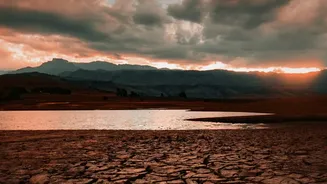
Even before this forecast, India's reservoirs were already under stress. According to the latest data from the Central Water Commission (CWC) at the end of July 2026, the total live storage in our key reservoirs was at just 44% of their total capacity. This is a stark drop from the same period last year, when they were at nearly 65% of last year's storage levels. The situation is particularly acute in South India, where reservoirs are holding less than half the water they did this time last year. These are not just abstract numbers. With the final, crucial phase of the monsoon now predicted to be subdued, the window to close this deficit is narrowing. The water level in these reservoirs by the end of September will largely determine the country's water fate until the next monsoon.
Why This Matters to Your Daily Life
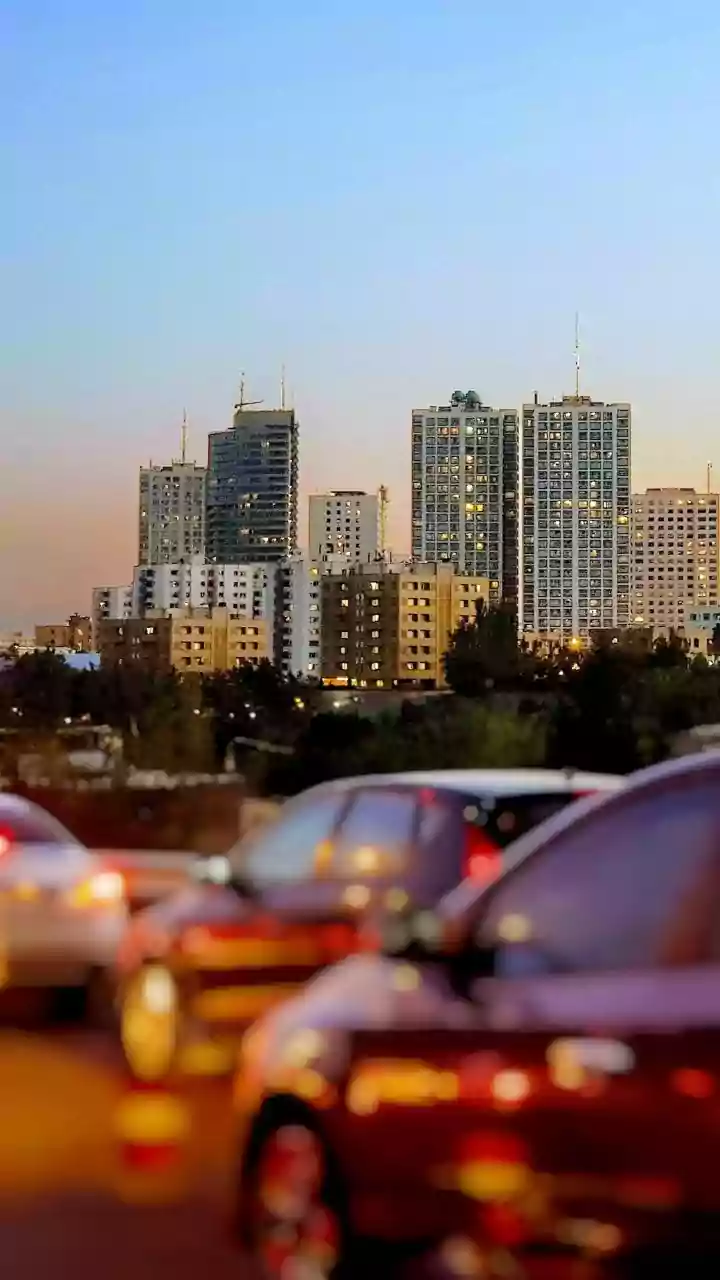
Low reservoir levels have a direct and tangible impact on every citizen. For city dwellers, it can mean the implementation of water cuts and a greater reliance on expensive water tankers. For the agricultural sector, which employs a majority of the population, it poses a significant threat. Insufficient reservoir storage jeopardises the rabi (winter) crop cycle, which is heavily dependent on irrigation from these stored reserves. This can affect food production and contribute to food price inflation. Furthermore, reduced water levels impact hydropower generation, potentially straining the power grid during peak demand periods. Essentially, the water level in a distant reservoir is directly connected to the water pressure in your tap, the price of vegetables at the market, and the reliability of your electricity supply.
How to Stay Informed
In this context, monitoring local reservoir levels becomes an act of civic awareness. You don’t need to be a scientist to keep track. The Central Water Commission (CWC) provides weekly updates on the storage status of all major reservoirs in the country, which are often reported by the media. These bulletins are typically released every Thursday. You can check the CWC website for state-wise and reservoir-wise data. There are also independent portals like 'Damtoday' that provide live or daily updates on reservoir levels, inflows, and outflows. By identifying the key reservoirs that supply your city or state—be it the Krishna Raja Sagara for parts of Karnataka and Tamil Nadu, or the Upper Vaitarna and Bhatsa for Mumbai—you can better understand the water situation in your immediate area and anticipate potential challenges.